Journalists, opposition figures, human rights defenders, and minority activists have faced growing pressure both within Pakistan and abroad. Reports from global watchdogs such as Human Rights Watch, Amnesty International, Freedom House, and UN human rights bodies indicate that these developments are not isolated incidents but part of a broader pattern of authoritarian governance backed by Pakistan’s powerful military establishment, writes Dr Sakariya Kareem
Pakistan has long faced criticism for its human rights record, but developments in recent years suggest a troubling intensification of repression that increasingly extends beyond its borders. Over the past decade, and particularly since the political turmoil following the removal of former Prime Minister Imran Khan in 2022, the Pakistani state has expanded its use of coercive legal tools, surveillance, and intimidation to silence critics. Journalists, opposition figures, human rights defenders, and minority activists have faced growing pressure both within Pakistan and abroad. Reports from global watchdogs such as Human Rights Watch, Amnesty International, Freedom House, and UN human rights bodies indicate that these developments are not isolated incidents but part of a broader pattern of authoritarian governance backed by Pakistan’s powerful military establishment.
Human Rights Watch’s World Report 2026 notes that Pakistani authorities intensified their crackdown on media freedom, political opposition, and civil society during 2025, using vague and expansive laws relating to sedition, cybercrime, and terrorism. According to the report, these measures have created “an atmosphere of fear among journalists, activists, and rights organisations,” forcing many critics of the state to practice self-censorship or flee the country. The United States Department of State’s 2024 human rights report similarly observed widespread harassment, threats, abductions, and violence targeting journalists, which has led many news organisations to avoid reporting critically on the military or government institutions. Together, these assessments portray a shrinking civic space in Pakistan where dissent is increasingly equated with national security threats.

One of the most striking trends has been the growing use of counterterrorism legislation and cybercrime laws to criminalise political dissent. In January 2026, a Pakistani anti-terrorism court sentenced several journalists and online commentators to life imprisonment in absentia for allegedly inciting unrest through their coverage of protests following Imran Khan’s arrest in 2023. Many of those convicted, including prominent journalists and former military officers-turned-commentators, were living abroad at the time of the trial. Critics and press freedom advocates described the proceedings as politically motivated and raised concerns about due process. The case illustrates how the state increasingly uses terrorism legislation to prosecute political speech, particularly when that speech challenges the authority of the military establishment.
International human rights organisations have also documented a parallel rise in transnational repression, efforts by the Pakistani state to intimidate, silence, or prosecute critics living abroad. Freedom House has warned that Pakistan is increasingly targetingjournalists, activists, and political dissidents outside its borders through legal harassment, digital surveillance, and coordinated intimidation campaigns. These efforts frequently involve the use of anti-terrorism charges, cybercrime cases, or pressure on family members remaining in Pakistan. Such tactics reflect a broader global trend in which authoritarian or hybrid regimes attempt to control diaspora dissent, but Pakistan’s approach is notable for its reliance on military intelligence networks and expansive national security laws.

Domestic repression has been particularly severe in conflict-prone regions such as Balochistan and Khyber Pakhtunkhwa. Enforced disappearances, arbitrary detentions, and extrajudicial killings have been widely reported in these areas for years. The arrest of Baloch human rights activist Mahrang Baloch in 2025 drew international attention to the issue. Her detention, along with that of other Baloch activists, without due process and accompanied by restrictions on access to legal counsel, prompted calls from international figures and UN human rights experts for her release. Activists argue that such cases show the Pakistani state’s broader strategy of suppressing Baloch political mobilisation by criminalising dissent and portraying ethnic activism as separatist insurgency.
In July 2025, UN human rights experts expressed concern over persistent extrajudicial killings, attacks on places of worship, and widespread discrimination against religious minorities, particularly the Ahmadiyya community. Amnesty International has warned that Pakistan’s controversial blasphemy laws are frequently weaponised against marginalised groups, including journalists, activists, and religious minorities.

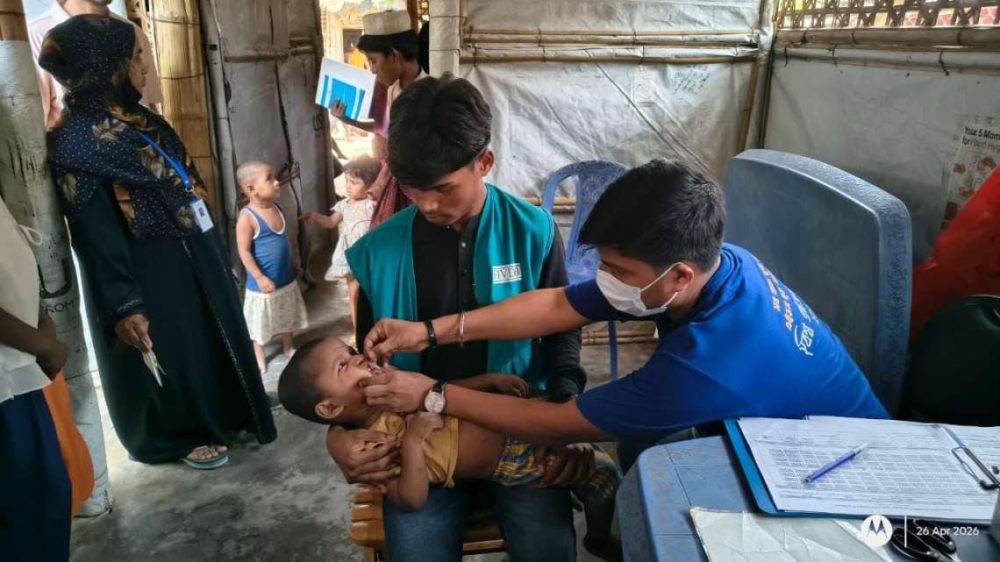
Beyond political activists and minorities, Pakistan has also repressed its refugee and migrant populations. The country’s mass deportation campaigns targeting Afghan refugees, which started in 2024, have triggered alarm among international humanitarian organisations. Hundreds of thousands of Afghanshave been expelled, jailed, or pressured to leave Pakistan, often with little regard for due process. Reports from the ground indicate that police raids, arrests, and intimidation have become common tools used to pressure Afghan refugees into leaving the country, and also send a message to the Afghan Taliban.
The Human Rights Commission of Pakistan’s (HRCP) annual report highlighted continuing patterns of enforced disappearances, extrajudicial killings, internet shutdowns, and harassment of journalists. These practices, the report noted, disproportionately affect marginalised communities and political activists, particularly in provinces experiencing insurgency or political unrest such as Balochistan and Khyber Pakhtunkhwa. These findings expose that repression in Pakistan is not merely episodic but deeply embedded within the political and military system.
Western governments and globaloutfits have repeatedly called on Pakistan to uphold its obligations under international human rights law. The Commonwealth Ministerial Action Group and various UN bodies have raised concerns about restrictions on freedom of expression, the suppression of political opposition, and the shrinking space for civil society. Yet these criticisms have had limited impact on the Pakistani state’s behavior. The country’s leadership frequently dismisses such criticism as politically motivated or linked to broader geopolitical rivalries.

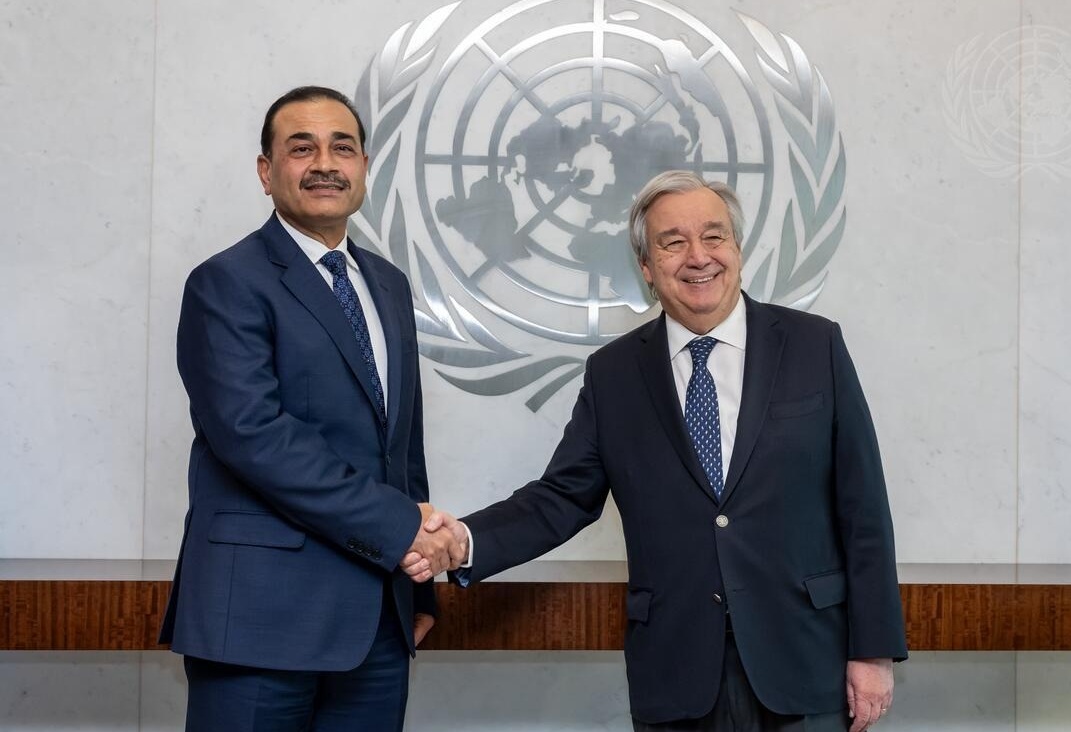
These developments point to a broader consolidation of coercive power within Pakistan’s political system. Under Field Marshal Syed Asim Munir, the military establishmenthas enhanced its influence over political decision-making, media narratives, and national security policy. In such an environment, dissent is often framed as a threat to national stability, allowing state agencies to justify extraordinary and ‘illegal’ measures against critics. The expansion of cybercrime laws, counterterrorism legislation, and surveillance capabilitiesthrough draconian bills has further strengthened the state’s ability to control political and security discourse.
The current path of human rights in Pakistan raises serious concerns about the future of governance and freedom of expression in the country. With a growing and authoritarian army led by Munir, there are few signs of progress. As a long-standing strategy to distract and maintain the military’s full control over politics and resources, repression against vulnerable groups will persist both within Pakistan and beyond its borders.