Choosing remittances and aid over development creates profound structural problems that sets Pakistan to stagnation…writes Dr Sakariya Kareem
Pakistan has locked itself into a dangerous economic trap, prioritizing short-term cash from expatriate remittances and foreign aid over genuine development.
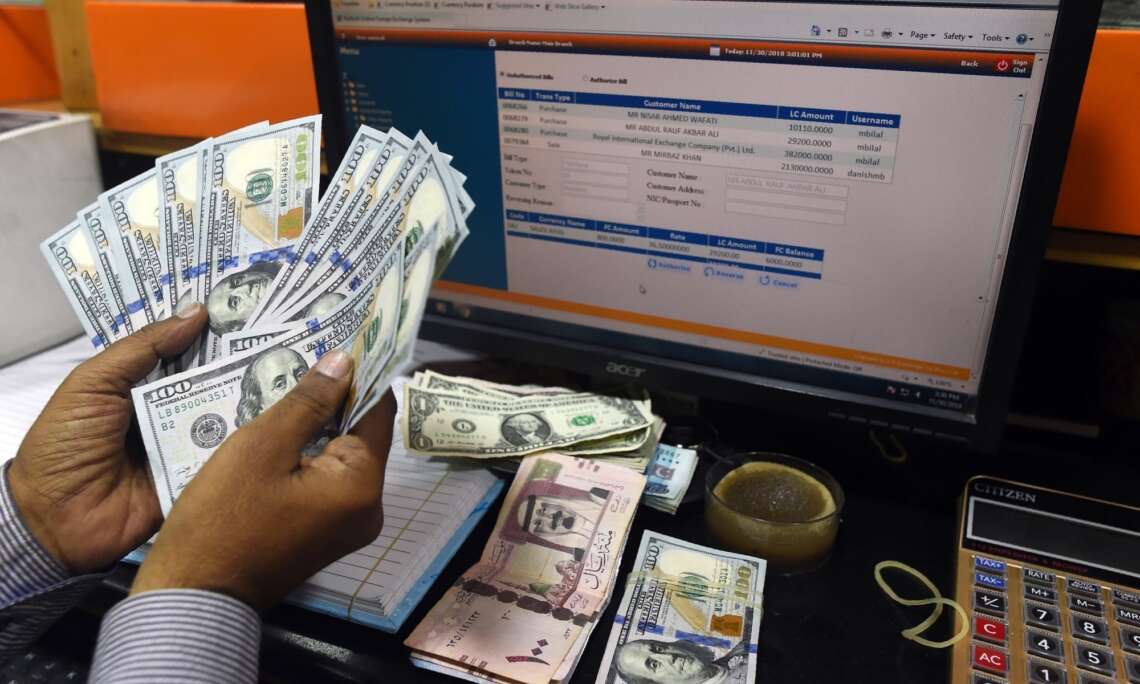
This choice sustains consumption but cripples productive growth, turning the country into a perpetual beggar state. As remittances hit record highs like $3.46 billion in January 2026 alone, up 15.4% year-on-year, the government celebrates stability while ignoring the rot beneath.Pakistan now leans heavily on remittances, which account for nearly 10% of GDP and rival export earnings.
Overseas Pakistanis sent around $96 billion over the past three fiscal years, propping up the balance of payments and stabilizing the rupee amid chronic trade deficits. Yet this influx, largely from semi-skilled laborers in Saudi Arabia and the UAE, funds imports of luxury goods, cars, and consumer electronics rather than factories or farms.
The state actively pushes labor migration as policy, spending billions on incentives like the Pakistan Remittance Initiative to channel funds through official banks. This keeps foreign exchange reserves afloat, reaching $21 billion by early 2026, but at the cost of domestic job creation. Factories idle, unemployment soars, and educated youth drive cabs abroad instead of innovating at home. Remittances mask these failures, providing a lifeline that discourages reform.
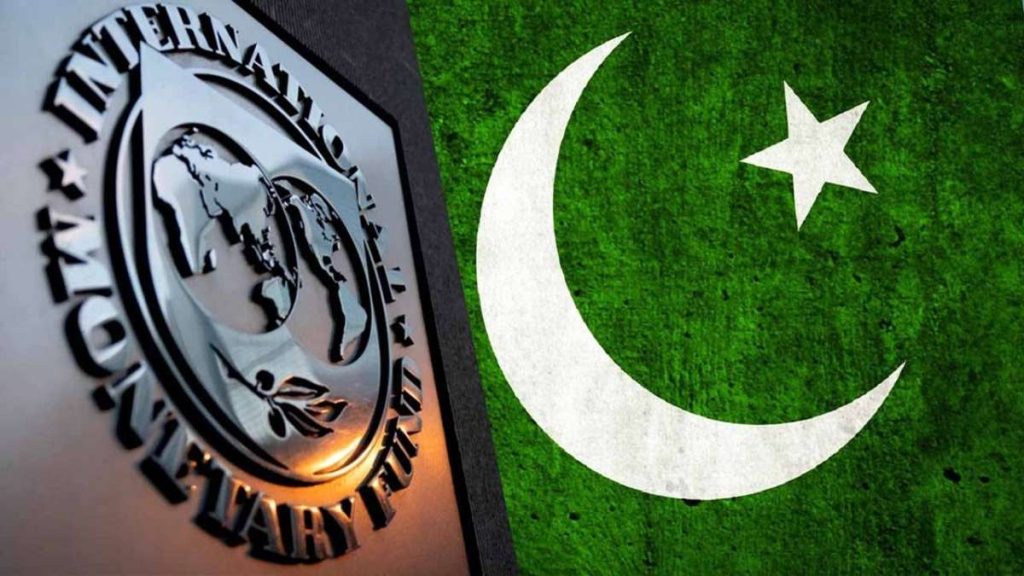
Parallel to remittances, Pakistan’s aid dependence has ballooned into its economy. Since 1958, it has entered 26 IMF programs, the highest globally, totaling over $34 billion, with the latest $7 billion Extended Fund Facility in 2024 extended into 2025-26. The IMF disbursed $1.2 billion in early 2026, alongside World Bank and ADB packages for floods and climate resilience.
These inflows, $100 billion in debt repayments looming over four years, finance deficits but demand austerity that stifles growth. External debt exceeds $133 billion, or over a third of GDP, with interest eating 43% of revenues. Poverty climbs to 40.5%, with 70% in Balochistan, as aid props up consumption without building resilience. Pakistan chooses this dependency, diverting funds to defense and elite perks instead of exports or infrastructure.
Continuous aid from the IMF, UAE, and China artificially bloats Pakistan’s economy, inflating reserves and sustaining consumption without fostering productivity. The IMF’s ongoing $7 billion Extended Fund Facility, combined with UAE’s $1-2 billion deposits and rollovers alongside China’s $10+ billion in deferred loans and CPEC infusions, has propped up foreign reserves to $21 billion by early 2026, staving off default but enabling unchecked imports of luxuries and fuel.
This deluge masks chronic trade deficits over $20 billion annually and weak exports, as the propped-up rupee discourages competitiveness via Dutch disease effects, hollowing out manufacturing and agriculture. Governments exploit these inflows for fiscal breathing room, dodging reforms like tax expansion or export incentives, which perpetuates debt addiction ($133 billion external liabilities) and structural stagnation, turning aid into a balloon that bursts with donor fatigue
Choosing remittances and aid over development creates profound structural problems that sets Pakistan to stagnation. Textiles show tepid 4% growth, food exports crash 35% post-floods, and manufacturing contracts despite $12.9 billion in remittances over four months of FY26. Agriculture, once self-sufficient, now imports wheat and cotton due to poor yields and mismanagement.
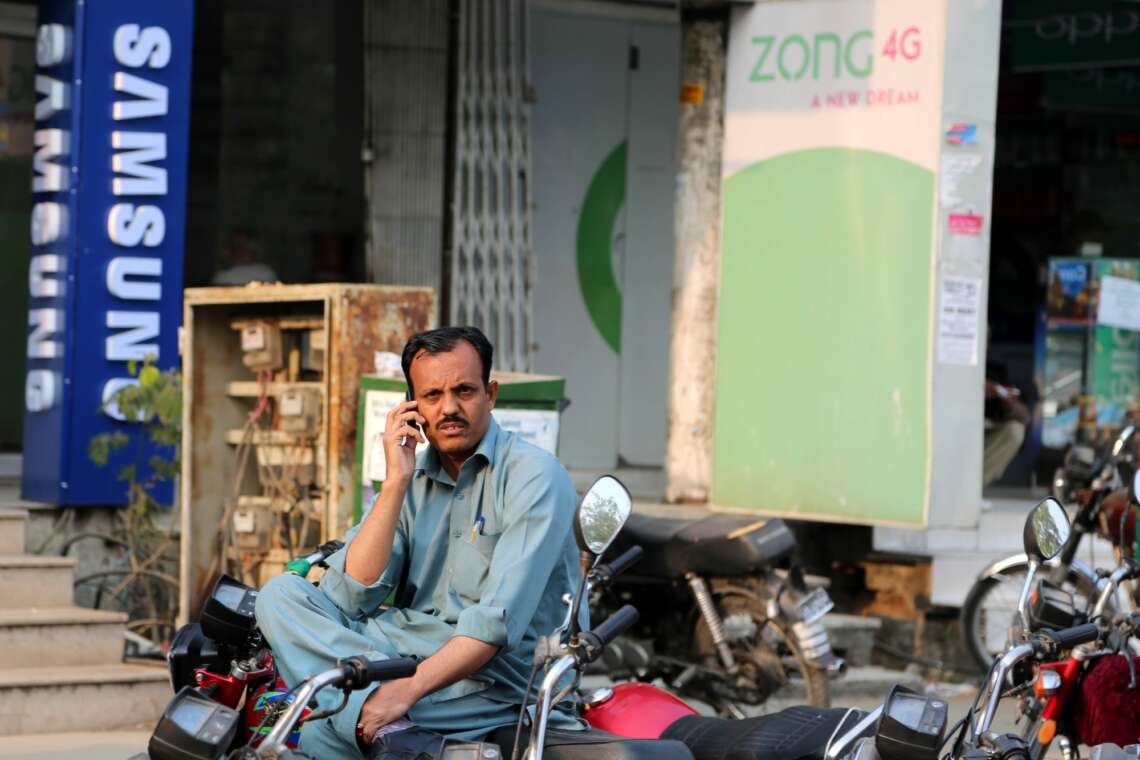
Industry weakens as cheap imports flood in, lured by the strong rupee sustained by diaspora dollars. This reliance outsources labor, hollows out the workforce, and turns remittances into a consumption subsidy rather than investment fuel. Efforts like Roshan Digital Accounts flop because trust in institutions is zero as no one parks savings in a system riddled with corruption and speculation. Aid worsens it, enforcing short-term fixes that ignore root causes like low productivity and uncompetitive structures.
Pakistan makes itself ever more dependent through policy neglect. Governments tout remittance records, like $35 billion projected for FY26, as triumphs, burying structural reforms. Subsidies like PRI distort markets, while bailouts enable fiscal profligacy.
This path sacrifices long-term prosperity for elite stability, as diaspora sacrifices fund a stagnant homeland. Pakistan’s bet on remittances and aid breeds fragility, not strength. This structural malaise, weak industry, import dependence, and reform aversion, ensures crises recur. Without pivoting to production, the nation risks collapse when inflows falter. The choice is clear: invest remittances productively or perish in dependency.