Concerns over human rights, governance and labour protections could complicate Pakistan’s bid to retain preferential access to European markets….reports Asian Lite News Desk
Pakistan’s preferential trade access to the European Union could face growing challenges under a tougher compliance regime, as concerns mount over the country’s record on human rights, governance, labour protections and environmental standards.
A report published by Greek City Times argues that Pakistan has continued to benefit from the European Union’s Generalised Scheme of Preferences Plus (GSP+) despite repeated concerns over its adherence to the programme’s requirements. The scheme grants eligible countries duty free or reduced duty access to the EU market in return for implementing a series of international conventions covering human rights, labour rights, environmental protection and good governance.
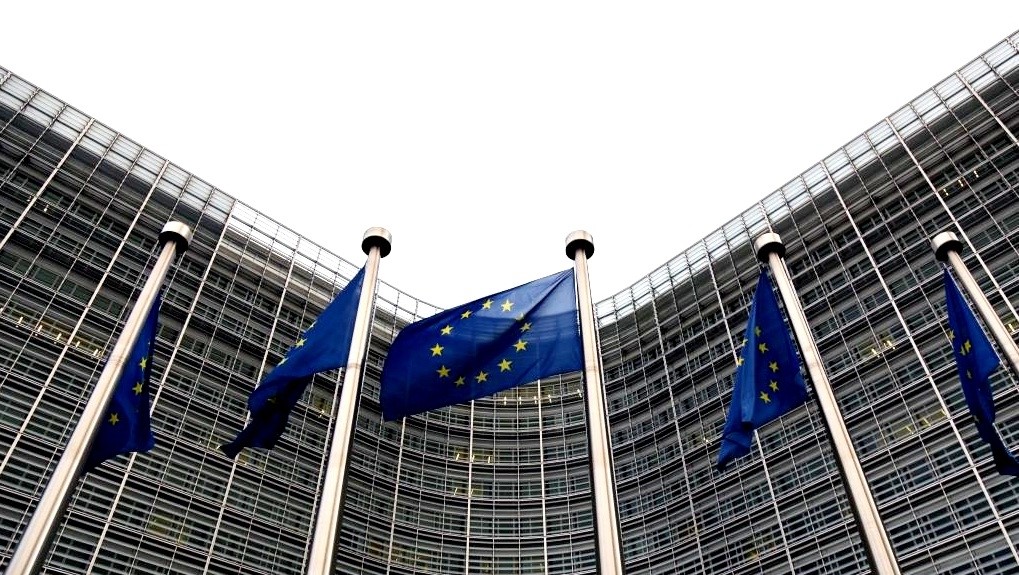
Pakistan has held GSP+ status since January 2014, a move that significantly boosted exports, particularly textiles and apparel, and helped make the European Union its largest export destination.
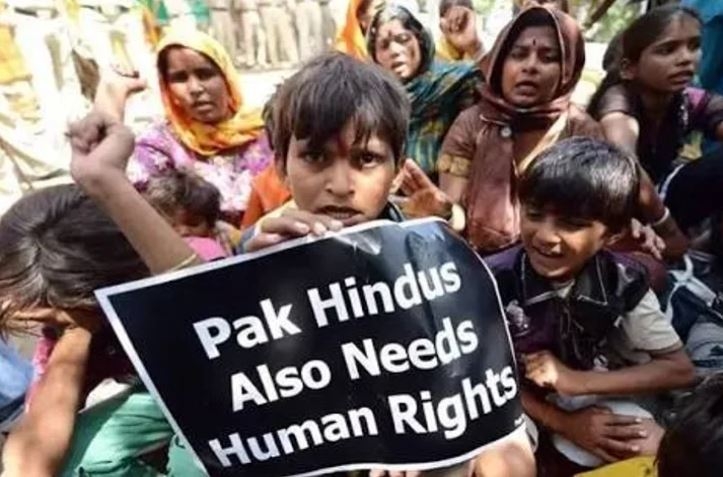
According to the report, concerns persist over issues including enforced disappearances, the use of blasphemy laws, military court trials, treatment of minorities, labour exploitation, child labour and weaknesses in democratic governance. It argues that these issues raise questions about Pakistan’s compliance with obligations linked to the trade arrangement.
The scrutiny comes as the European Union prepares to introduce an updated GSP+ framework after approving revised regulations on April 28. Under the new rules, which will apply from January 2027, the number of international conventions that participating countries must comply with will increase from 27 to 32.
The revised framework places greater emphasis on child rights, labour inspection systems, civil society participation, democratic governance, climate commitments and the protection of vulnerable groups. Additional requirements will include compliance with conventions related to the rights of persons with disabilities, labour inspection standards and obligations connected to the Paris Climate Agreement.
The report notes that Pakistan will be granted a two year transition period during 2027 and 2028. However, continuation of preferential trade access beyond that period will depend on a fresh application and the presentation of a credible reform plan demonstrating progress in key areas.
It adds that failure to meet the stricter standards could affect Pakistan’s long term competitiveness in the European market and make it harder for the country to retain the trade benefits it has enjoyed for more than a decade.