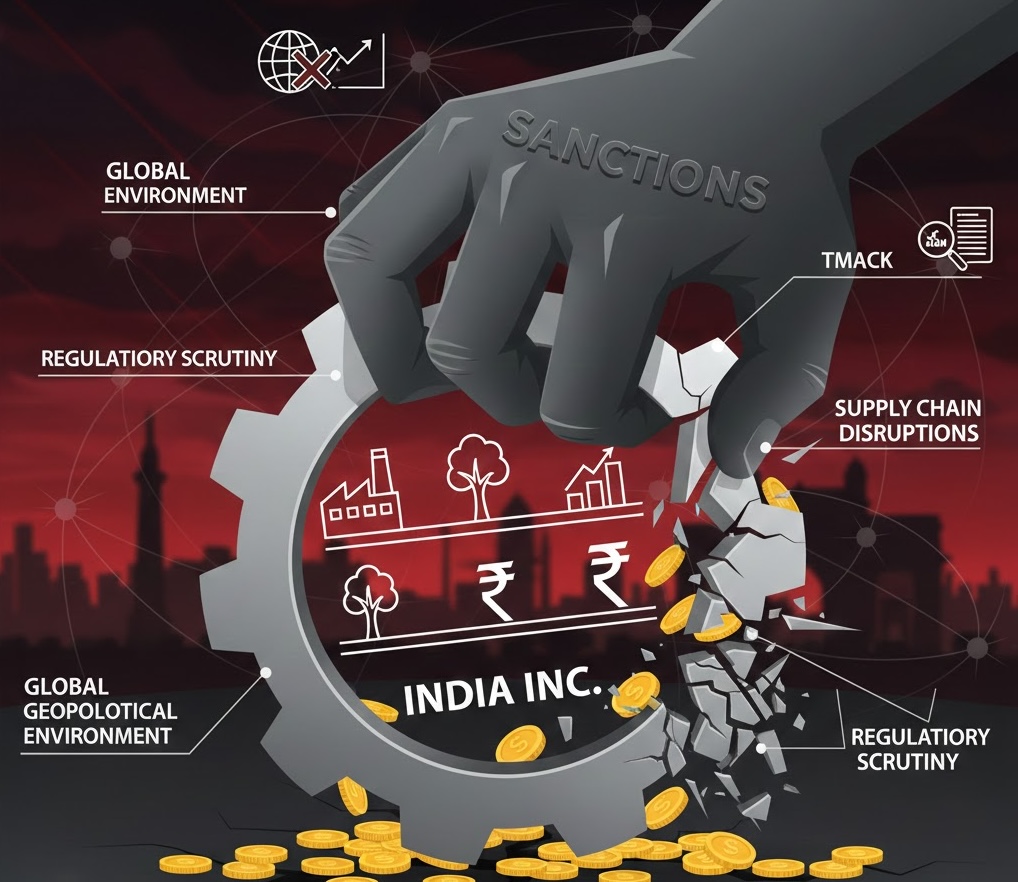
Indian companies are being urged to tighten compliance as global sanctions regimes grow broader and more complex. Experts warn that reputational, financial and legal risks are rising for firms operating across sensitive markets…reports Asian Lite News
India Inc is being forced to reassess how it does business overseas as sanctions risks become a sharper feature of the global economic landscape. A volatile geopolitical environment, deepening global supply chain disruptions and tougher regulatory scrutiny are pushing sanctions compliance up the corporate risk agenda. While sanctions are often framed as a foreign policy tool aimed at governments, experts say the commercial fallout for companies is growing and increasingly difficult to manage.
New Delhi’s balancing act between national interests and global market realities has added to the complexity. Sanctions risks have emerged among the top business threats, prompting domestic companies to rethink overseas acquisitions, financing arrangements and trade flows to limit exposure to sudden regulatory action. For companies, sanctions exposure is no longer a remote compliance concern but a core operational risk that can disrupt revenue, investment and long-term strategy.

Sanctions typically target specific countries, individuals or entities, but their indirect impact on third-country businesses can be severe. Indian firms with operations, partners or customers in sanctioned jurisdictions face heightened scrutiny from global banks, insurers and regulators. Even where transactions are technically lawful, the perception of risk can lead to cancelled contracts, frozen payments or the withdrawal of critical services.
Experts have called for clearer and more robust standard operating procedures within Indian companies. They argue that sanctions compliance should be treated with the same seriousness as anti-corruption, anti-money laundering and data protection frameworks. According to specialists, sanctions compliance is not about avoiding business altogether, but about understanding exposure, assessing risk and building systems that allow companies to operate with confidence in a volatile environment.
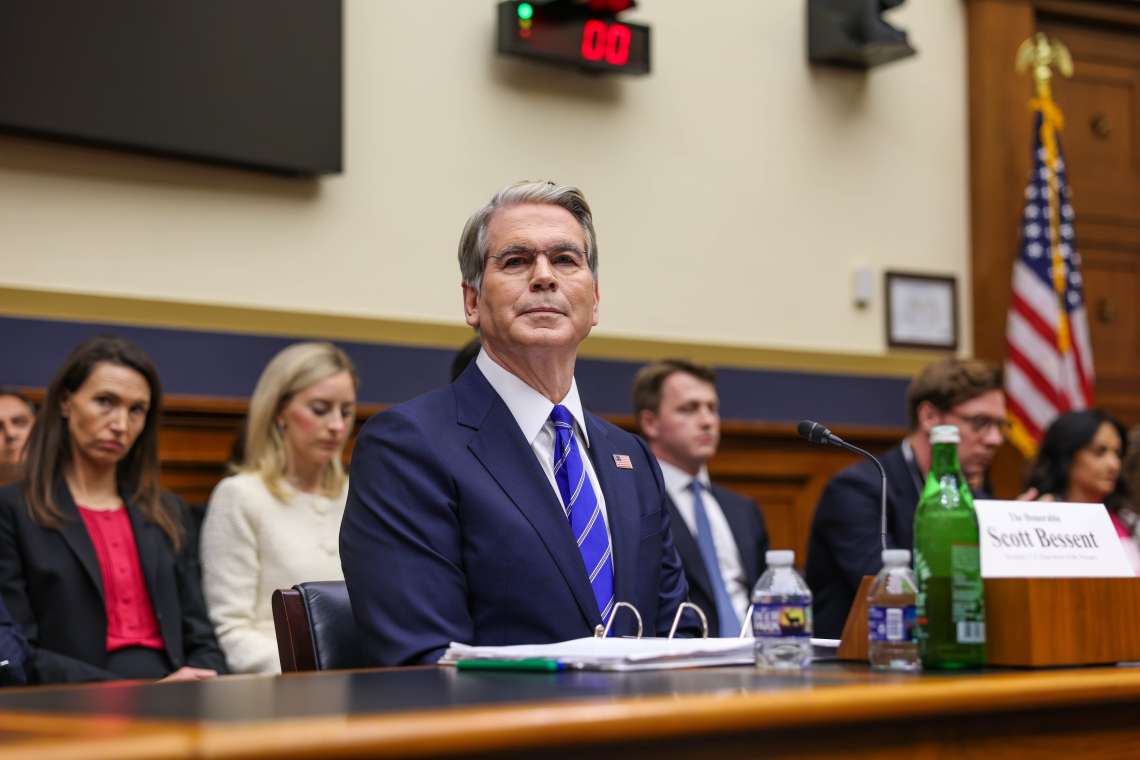
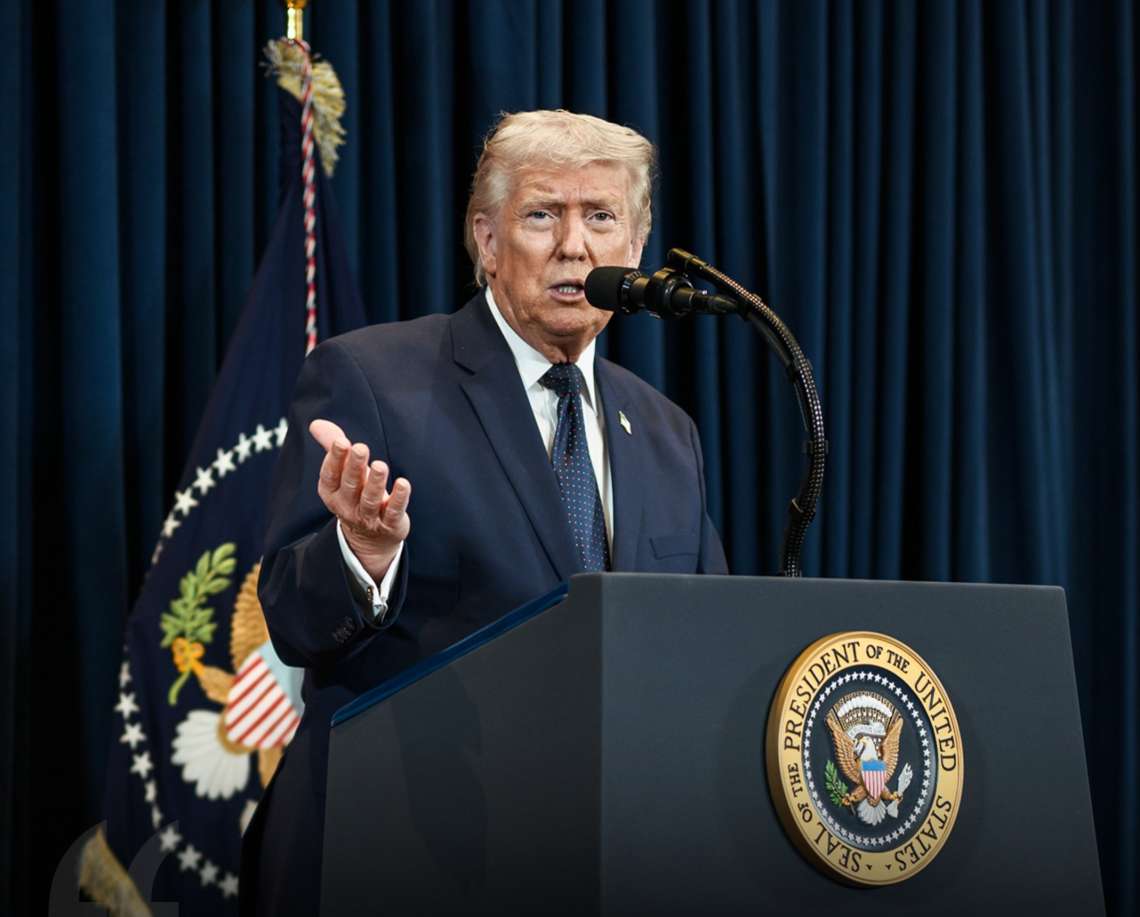
The US Department of State and the Office of Foreign Assets Control have been cited as influential drivers of global sanctions policy, with implications that reach far beyond American borders. Indian companies that transact in US dollars or rely on US financial institutions are particularly exposed, given the reach of US enforcement mechanisms. In sectors such as energy, shipping, aviation and finance, the risks are seen as especially acute.
India’s experience with sanctions-related pressures has been shaped by past engagement with countries such as Iran and Russia. In earlier periods, Indian refiners were compelled to adjust crude oil sourcing in response to restrictions on Iranian exports. More recently, the conflict in Ukraine and the sanctions imposed on Russia have complicated trade, payments and logistics, forcing companies to navigate an evolving regulatory maze while safeguarding commercial interests.
China’s experience is also closely watched by Indian policymakers and business leaders. Chinese companies have faced penalties, loss of market access and reputational damage as sanctions regimes have tightened, offering a cautionary tale for Indian firms seeking to expand globally. Experts note that sanctions are no longer limited to traditional defence or security sectors, but increasingly touch technology, infrastructure, logistics and financial services.
Compliance professionals stress that failures in sanctions controls can trigger regulatory enforcement, heavy fines and long-lasting reputational harm. Beyond direct penalties, companies may find themselves cut off from global banking networks or insurance markets, making routine business operations difficult or impossible. In that context, sanctions compliance is increasingly framed as an exercise in risk management rather than a box-ticking exercise.

Companies based in India but operating abroad are being advised to map their exposure carefully, including ownership structures, payment flows and supply chains. Even minority stakes or indirect links can attract scrutiny if counterparties are linked to sanctioned entities. The challenge is compounded by the speed with which sanctions regimes can change, leaving little time for businesses to adapt.
There is also a reputational dimension. Investors, partners and customers are paying closer attention to how companies manage ethical and regulatory risks. A perceived failure to take sanctions seriously can undermine confidence and affect long-term valuation. As Indian firms seek to position themselves as reliable global players, adherence to international compliance norms is increasingly seen as part of corporate credibility.
While sanctions policy remains the domain of governments, the burden of compliance falls heavily on businesses. For India Inc, the message from experts is clear: sanctions risk is here to stay, and managing it requires investment, expertise and senior-level attention. As global fault lines harden, the ability of Indian companies to navigate sanctions regimes may prove as important as their capacity to innovate or compete on price.