Bangladesh has allowed a senior Chinese envoy to visit areas close to India’s strategic Siliguri Corridor, triggering fresh unease in New Delhi amid already strained bilateral ties. Dhaka insists the trip was linked to development cooperation, but the timing and location have sharpened Indian concerns about China’s expanding regional footprint…reports Asian Lite News
Bangladesh’s decision to permit a visit by a senior Chinese official to areas close to India’s Siliguri Corridor, widely known as the Chicken’s Neck, has intensified Indian unease over Beijing’s growing strategic presence in South Asia. The visit, officially described by Dhaka as being connected to the long-discussed Teesta river project, comes at a sensitive moment in India–Bangladesh relations and against a backdrop of heightened geopolitical competition between India and China.
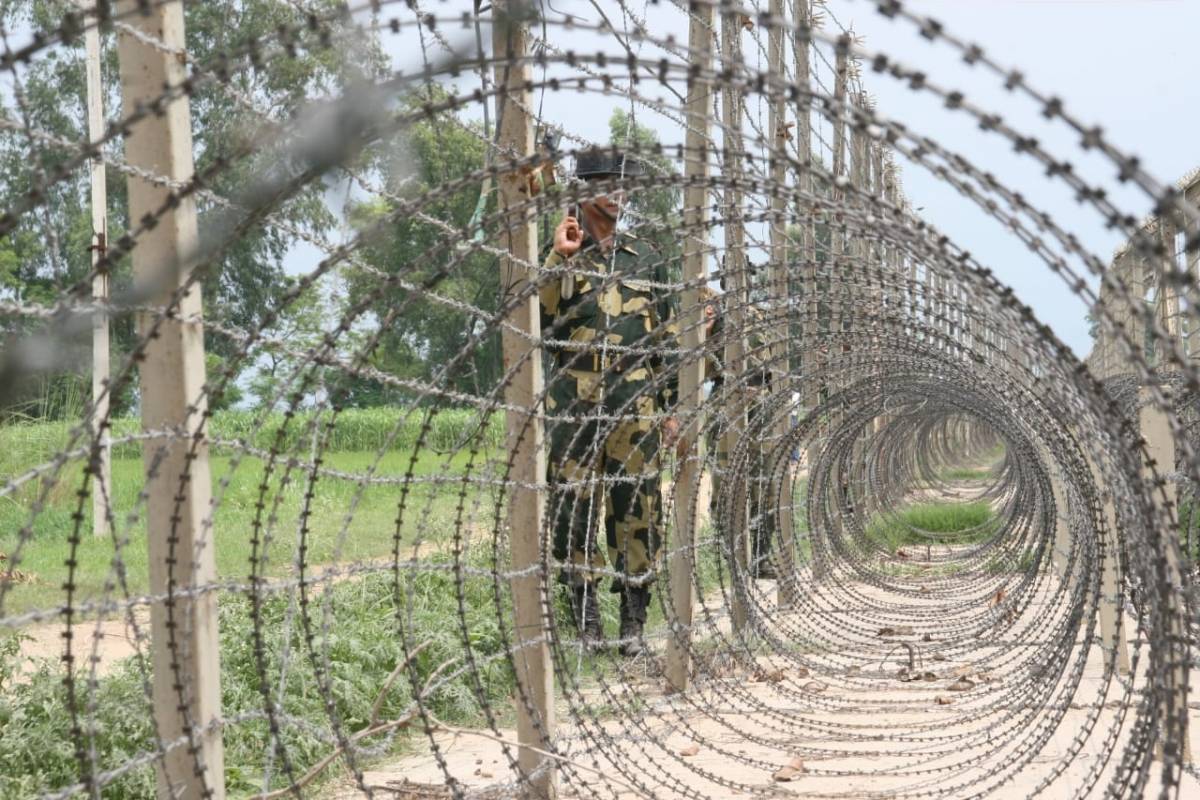
The Siliguri Corridor is a narrow stretch of land in northern West Bengal that connects India’s mainland to its northeastern states. Any foreign activity in its vicinity is closely scrutinised by New Delhi, which views the corridor as a vital strategic lifeline. The presence of a Chinese envoy near this region has therefore been interpreted in India as more than a routine diplomatic engagement, regardless of the stated development focus.
According to Bangladeshi officials, the Chinese delegation’s visit was linked to discussions around the Teesta river, which flows from India into Bangladesh and has long been a source of bilateral negotiations. The Teesta project, aimed at water management and development in northern Bangladesh, has been under consideration for years, with China emerging as a potential partner after India and Bangladesh failed to reach a comprehensive agreement. Dhaka has maintained that the visit was technical and developmental in nature, rejecting suggestions of any military or strategic intent.
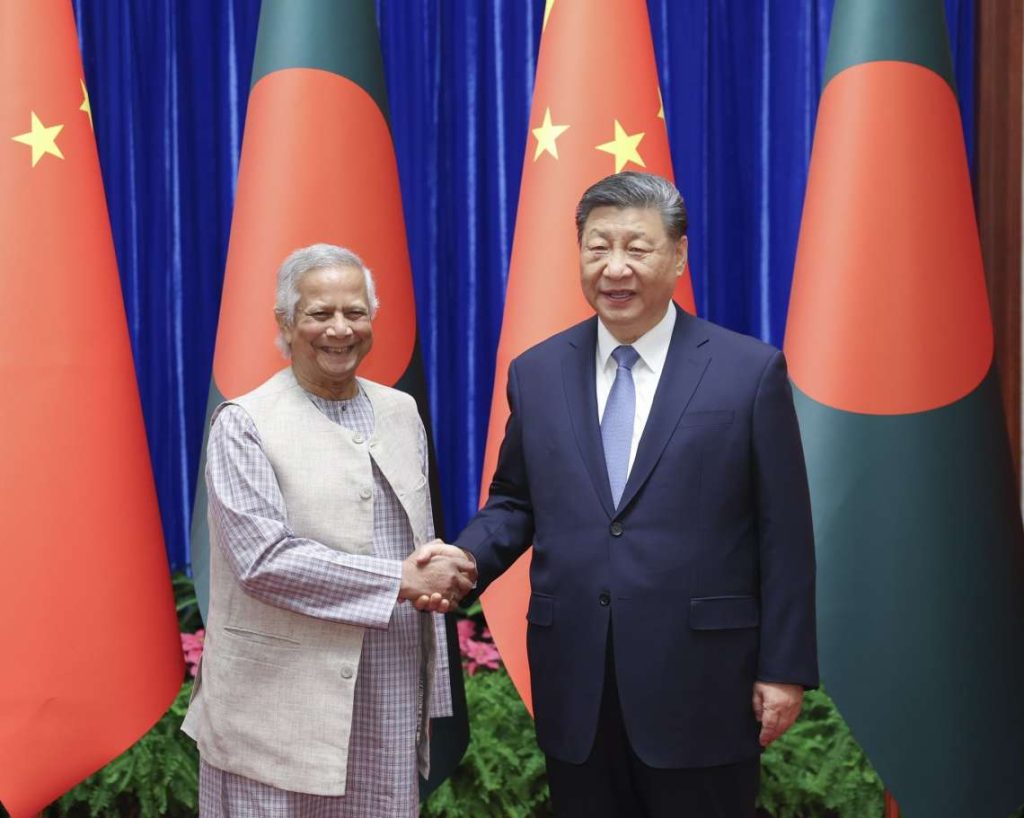
In India, however, the optics of the visit have raised alarms. Strategic analysts point out that China’s involvement in infrastructure and water projects in countries bordering India often carries broader geopolitical implications. New Delhi has watched with concern as Beijing has expanded its influence across South Asia through investments, loans and development partnerships, from ports and power plants to roads and river management schemes.
The visit also comes at a time when India–Bangladesh relations have been under strain over a range of issues, including water sharing, border management and regional alignments. While Bangladesh remains one of India’s key neighbours and an important partner in trade and connectivity, Dhaka has increasingly sought to balance its relations between New Delhi and Beijing. For India, this balancing act becomes more sensitive when Chinese engagement touches areas close to critical Indian infrastructure.
Security experts in India note that even ostensibly civilian or developmental projects can have dual-use implications, particularly when they involve detailed mapping, hydrological studies or infrastructure planning near sensitive borders. The Siliguri Corridor’s vulnerability has long been acknowledged in Indian defence planning, and any perceived external interest in the region inevitably attracts attention from security agencies.
Bangladesh, for its part, has emphasised its sovereign right to engage with development partners of its choosing. Officials in Dhaka have argued that cooperation with China is driven by economic needs and the urgency of addressing long-standing development challenges in northern Bangladesh, including river erosion, flooding and water scarcity. They have also stressed that Bangladesh does not allow its territory to be used in ways that threaten the security of neighbouring countries.
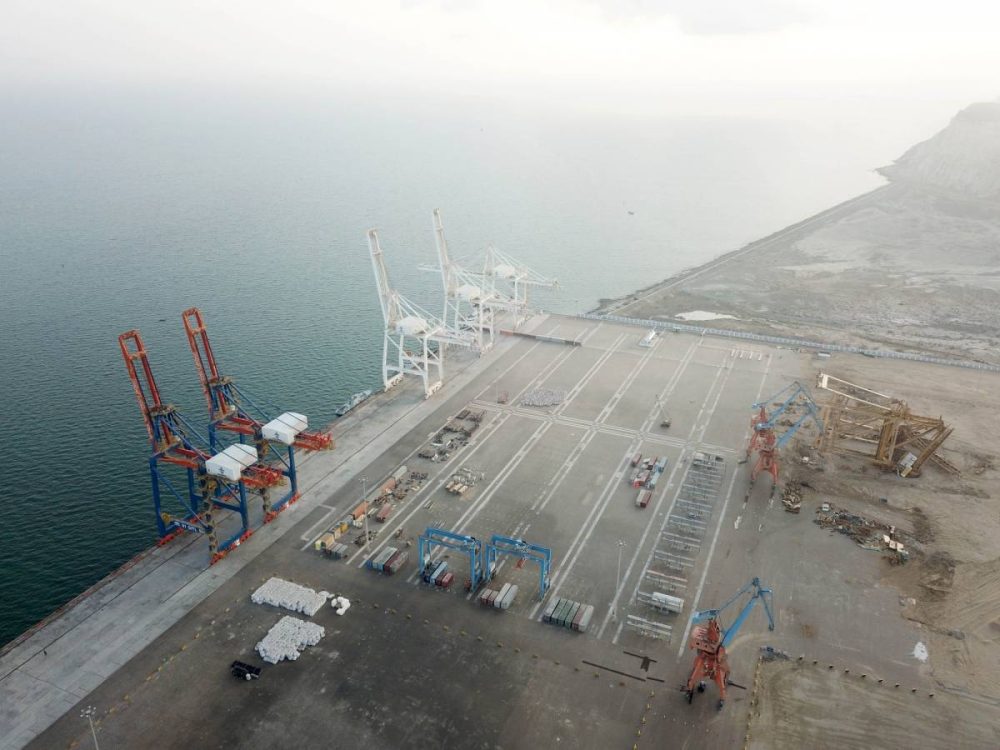
From New Delhi’s perspective, the episode underscores a broader strategic challenge. India has sought to position itself as the primary development and security partner for its neighbours, but China’s deep pockets and willingness to fund large-scale projects have made it an attractive alternative for many South Asian governments. The competition is particularly sharp in Bangladesh, which has received significant Chinese investment in recent years while also maintaining close economic and cultural ties with India.
Diplomatically, India is expected to raise its concerns through established channels, seeking reassurances that Chinese involvement in Bangladesh will not impinge on Indian security interests. Analysts suggest that New Delhi may also intensify its own development engagement in northern Bangladesh and eastern India to counterbalance China’s influence and reinforce regional connectivity under Indian-led initiatives.
The visit near the Chicken’s Neck is unlikely, by itself, to alter the broader trajectory of India–Bangladesh relations, which remain anchored in shared history and mutual interests. However, it serves as a reminder of the increasingly complex strategic environment in which India operates, where infrastructure projects, river management schemes and diplomatic visits can carry implications far beyond their stated purposes.
As China continues to expand its reach across South Asia, India faces the challenge of responding without pushing neighbours into choosing sides. For New Delhi, maintaining trust with Dhaka while safeguarding its own strategic red lines around sensitive regions such as the Siliguri Corridor will require careful diplomacy, sustained engagement and a clear articulation of its security concerns.