India has warned Poland against what it sees as selective European approaches to terrorism, as Warsaw steps up engagement with Pakistan. New Delhi underlined that counter-terror cooperation cannot be divorced from broader geopolitical and trade debates….reports Asian Lite News
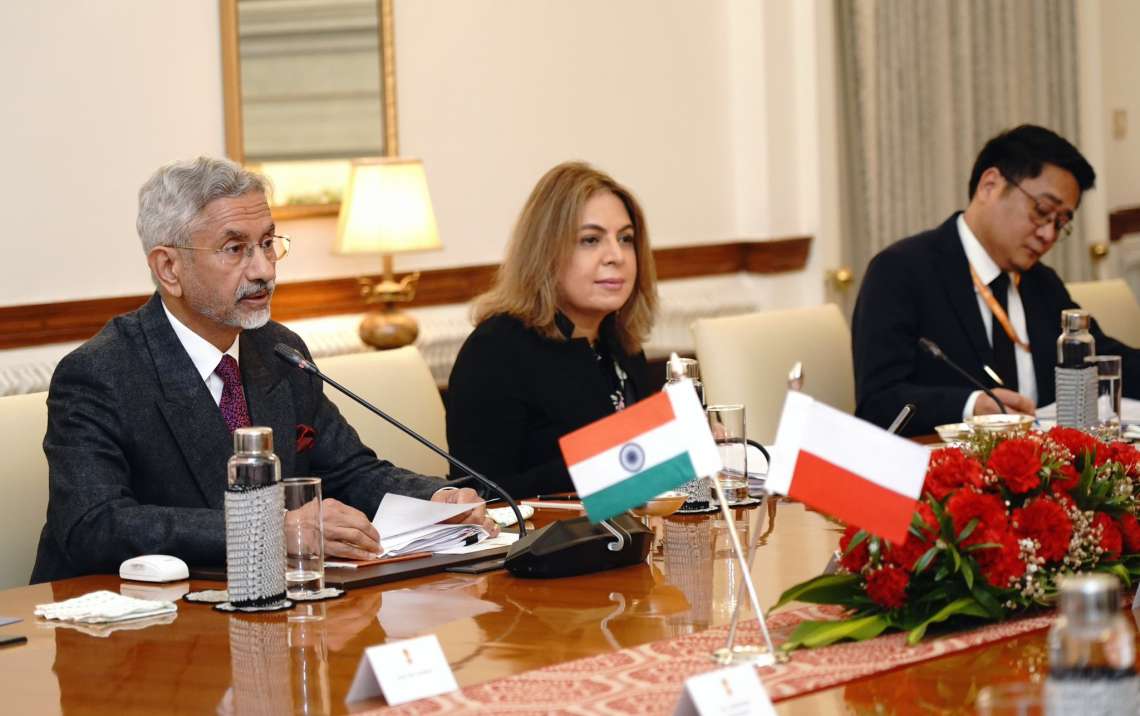
India has advised Poland to adopt zero tolerance towards terrorism as New Delhi pushes back against what it describes as selective European positions on security, trade and geopolitics, even as Warsaw moves to deepen ties with Pakistan. The message was delivered during External Affairs Minister S Jaishankar’s visit to Poland, where discussions ranged from terrorism and Ukraine to trade, tariffs and Europe’s continuing economic engagement with Russia.
The warning came amid New Delhi’s growing unease over Pakistan’s diplomatic outreach in Europe and concerns that counter-terror commitments are being diluted by geopolitical calculations. Jaishankar told his Polish counterpart, Radoslaw Sikorski, that Poland should firmly oppose terrorism rather than engage selectively, stressing that security issues in India’s neighbourhood cannot be viewed through a narrow regional or political lens.
“Poland should display zero tolerance for terrorism and not help the terrorist infrastructure in our neighbourhood,” Jaishankar said, making clear that India expects European partners to take an unequivocal position. He underlined that terrorism emanating from Pakistan remains a core concern for India and that international partners must not ignore or downplay this reality while pursuing other strategic interests.

The Indian minister said he was not surprised by what he described as selective targeting of India on the Ukraine issue, arguing that such approaches overlook broader inconsistencies in Europe’s own policies. “That’s where the terror originates from is selective targeting, but we will discuss that,” Jaishankar said, indicating that New Delhi would continue to raise these concerns directly with European capitals.
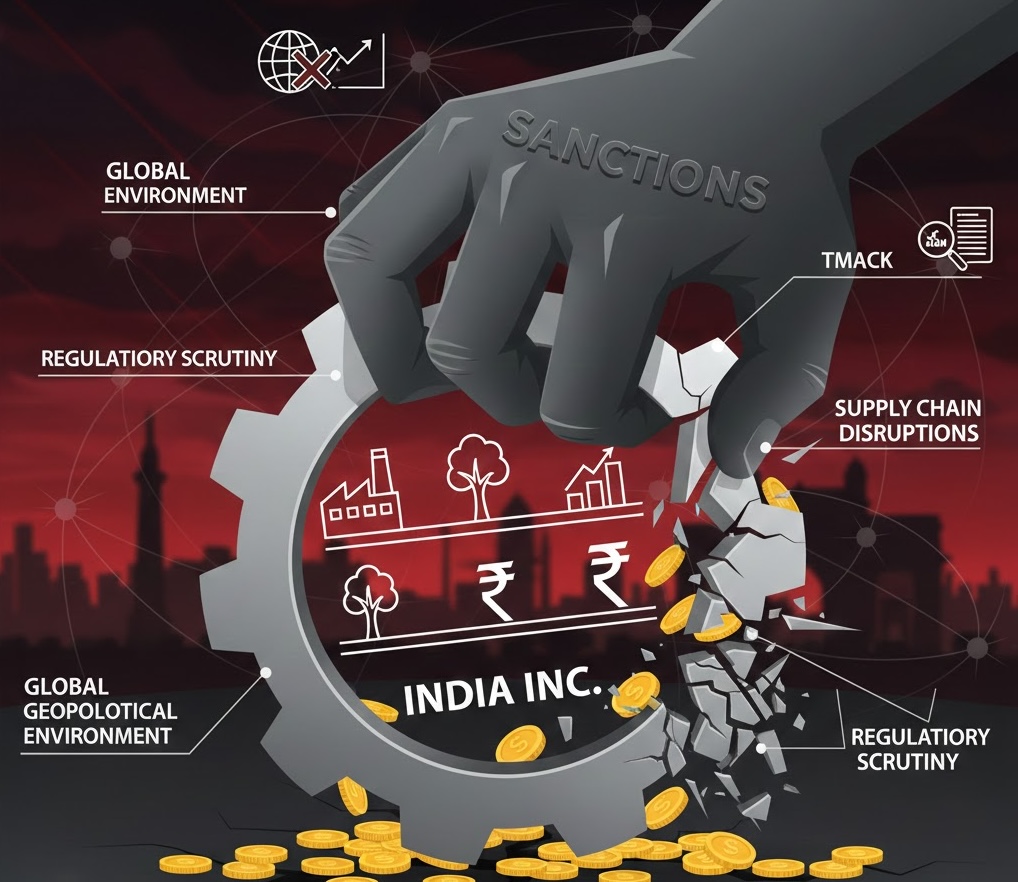
India’s stance reflects a broader diplomatic effort to call out what it sees as double standards, particularly in relation to Russia. While several European countries have criticised India for maintaining ties with Moscow following the invasion of Ukraine, New Delhi has repeatedly pointed to Europe’s own continued economic engagement with Russia. Jaishankar said, “Poland is among the heroic nations that have not refrained from hosting India in its position on the Ukraine war and trade relations with Russia.”
He added that Europe’s trade links with Moscow remain significant despite public rhetoric. “The European Union itself has continued to trade with Russia in not just oil but also fertilisers and other commodities,” Jaishankar said, reinforcing India’s argument that calls for isolating Russia have not been uniformly applied.
The meeting in Poland also revisited conversations India has held with European leaders in other global capitals. Jaishankar said India had been transparent about its views and would continue to speak candidly. “In the recent past, both in New York last Sept and in Paris this Jan, I have candidly shared with you our views on the Ukraine conflict and its implications. While doing so, I have objectively underlined that selective targeting of India is both unfair and unjustified. I do so again today,” he said.

India’s push comes as Poland steps up diplomatic engagement with Pakistan, a development that has drawn attention in New Delhi given long-standing concerns about terrorism emanating from Pakistani soil. Indian officials argue that any engagement with Islamabad must be accompanied by a clear and public commitment to counter-terrorism, particularly in relation to groups that target India.
Jaishankar’s remarks reflect a consistent line taken by New Delhi in recent years: that terrorism cannot be compartmentalised or excused based on geopolitical convenience. India has repeatedly urged European nations to recognise the security challenges it faces and to avoid what it sees as moral or strategic selectivity.
The discussions also highlighted India’s expectation that its partnerships with European countries should be based on mutual understanding and respect for each other’s core concerns. For New Delhi, this includes recognition of its security priorities, its independent foreign policy choices and its assessment of global conflicts such as Ukraine.

On Sunday, the Polish leader had in Jaipur attacked Russian President Vladimir Putin, saying he must be punished for war crimes, underscoring Warsaw’s strong stance on the Ukraine conflict. India, while maintaining its own position on the war, has sought to keep channels open with all sides and has resisted pressure to align fully with Western sanctions.
As India expands its engagement with Europe, officials say such candid exchanges are necessary to ensure that cooperation is not undermined by unresolved differences. Jaishankar’s blunt message in Poland signals that New Delhi is prepared to speak openly about terrorism, trade and geopolitics, and expects its partners to do the same, without selective outrage or shifting standards.