Collapse of Sudan arms deal exposes Pakistan’s dependence on external financial backing for overseas ambitions….reports Asian Lite News Desk
Pakistan’s push to expand its influence in Africa has suffered a major setback after the collapse of a key arms deal with Sudan, highlighting the country’s continued dependence on external financial backing and shifting geopolitical alliances.
A report by The Diplomat said Islamabad’s ambitions to emerge as a major defence exporter were dented in April when Saudi Arabia reportedly withdrew funding for a proposed $1.5 billion arms agreement with Sudan and urged Pakistan to abandon the deal altogether.
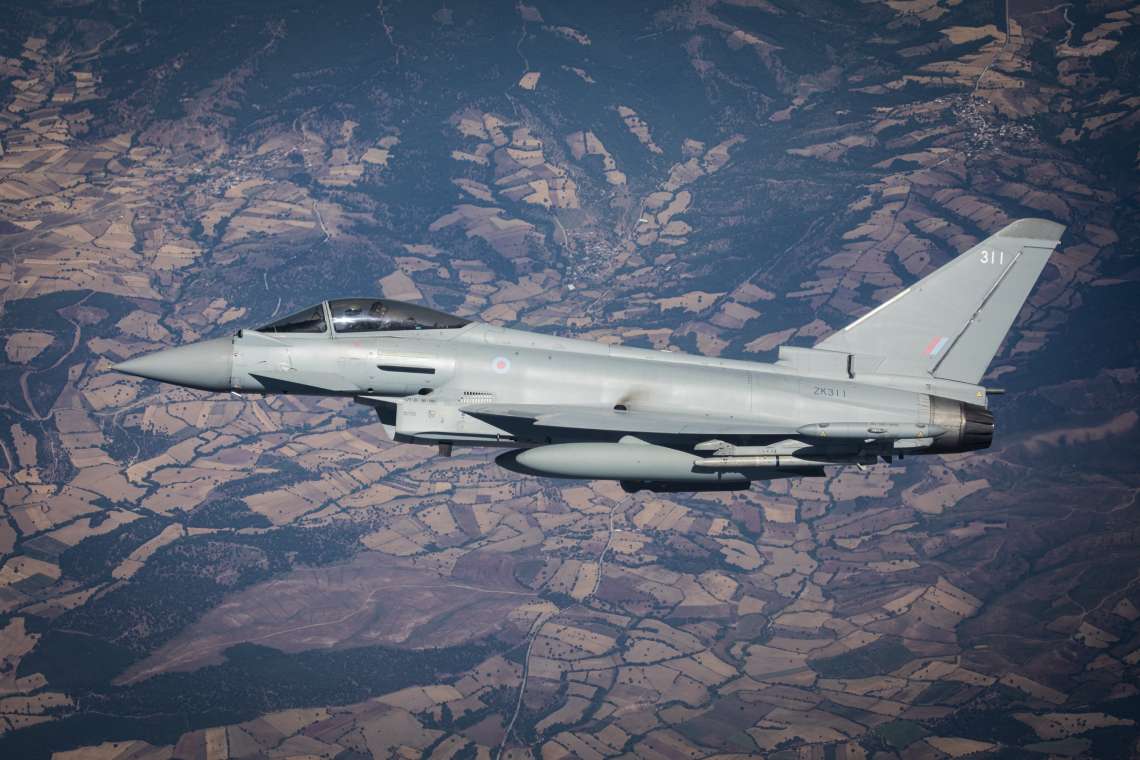
The agreement, which included K-8 Karakorum jets, drones, armoured vehicles and Chinese-origin air defence systems routed through Pakistan, was seen as a landmark opportunity for Islamabad to enter Africa’s security market. It was expected to position Pakistan as a significant defence player beyond its traditional regional footprint.
However, the report noted that Saudi Arabia’s withdrawal exposed structural weaknesses in Pakistan’s Africa strategy, particularly its reliance on external patrons to finance large-scale defence exports.
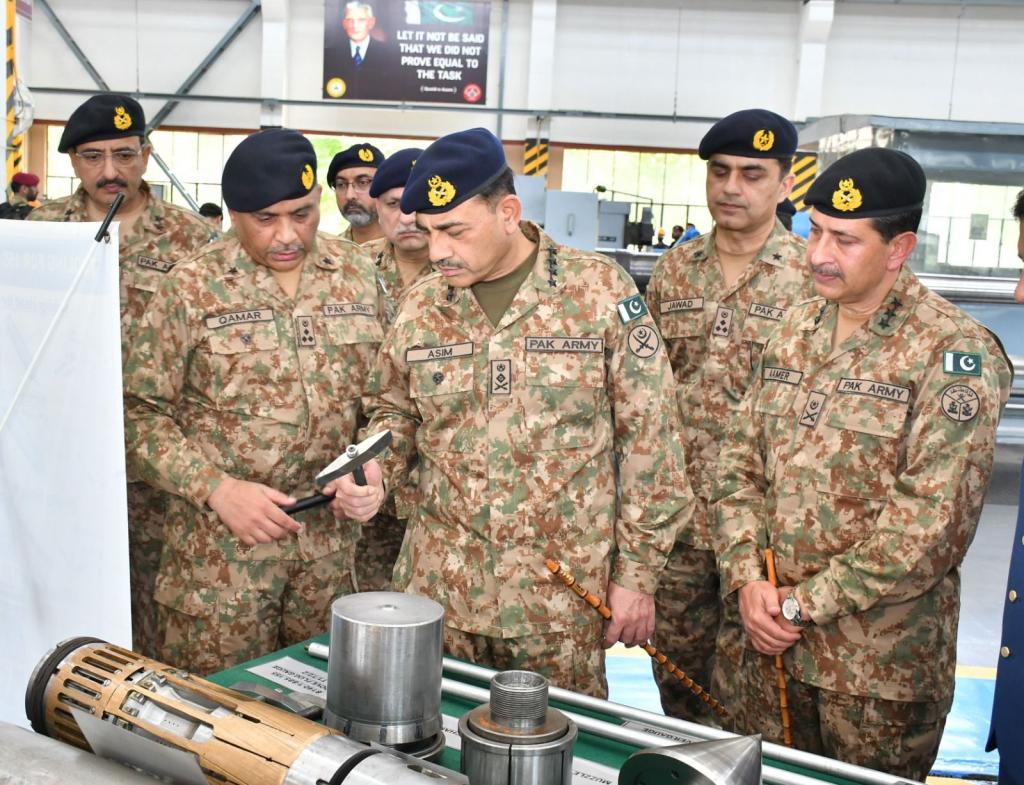
Facing persistent economic challenges, including foreign exchange shortages and repeated IMF programmes, Pakistan has increasingly turned to defence exports as a source of revenue. The Sudan deal was intended to open the African market to its military-industrial complex.
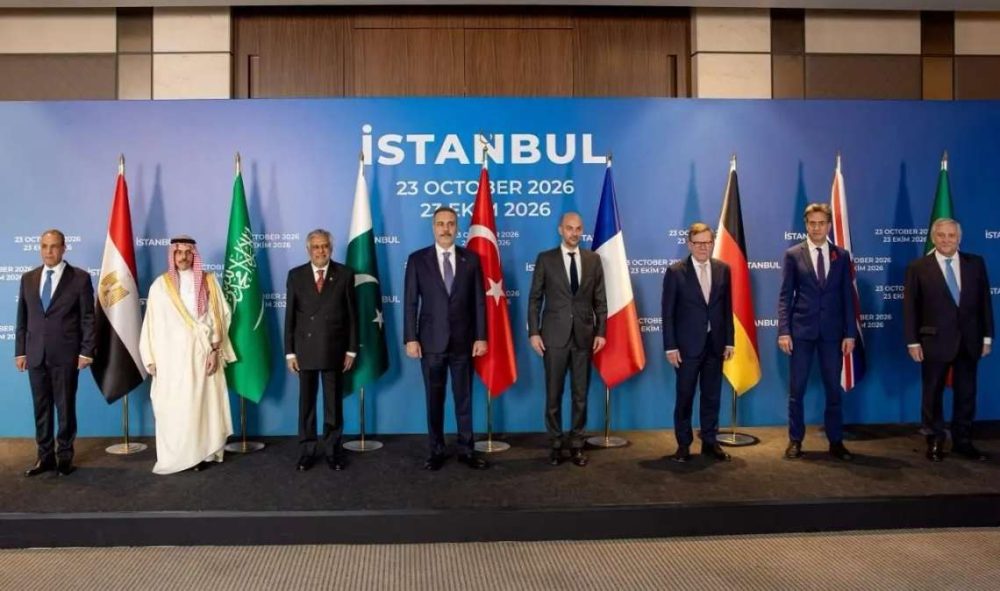
The report also pointed to a broader shift in Riyadh’s foreign policy, with Saudi Arabia favouring de-escalation and strategic restraint over involvement in overseas conflicts, impacting its willingness to back such deals.
The fallout could extend further. A proposed $4 billion defence deal with Libya is reportedly at risk as Saudi Arabia reassesses its engagement in Africa. Pakistan had already delivered multiple cargo shipments of weapons in April 2026 to forces aligned with eastern Libyan leader Khalifa Haftar.
According to the report, if the Libya deal also collapses, it would significantly derail Pakistan’s efforts to establish itself as a key security actor on the African continent.
Ultimately, the episode underscores a deeper limitation: without sustained external support, Pakistan lacks the economic capacity to independently pursue large-scale strategic ventures abroad, constraining its ability to shape outcomes in regions where it seeks greater influence.