Pakistan Day celebrations scaled down due to soaring fuel prices and energy shortages; the traditional parade cancelled, replaced by a simple flag-hoisting amid national austerity measures….reports Asian Lite News
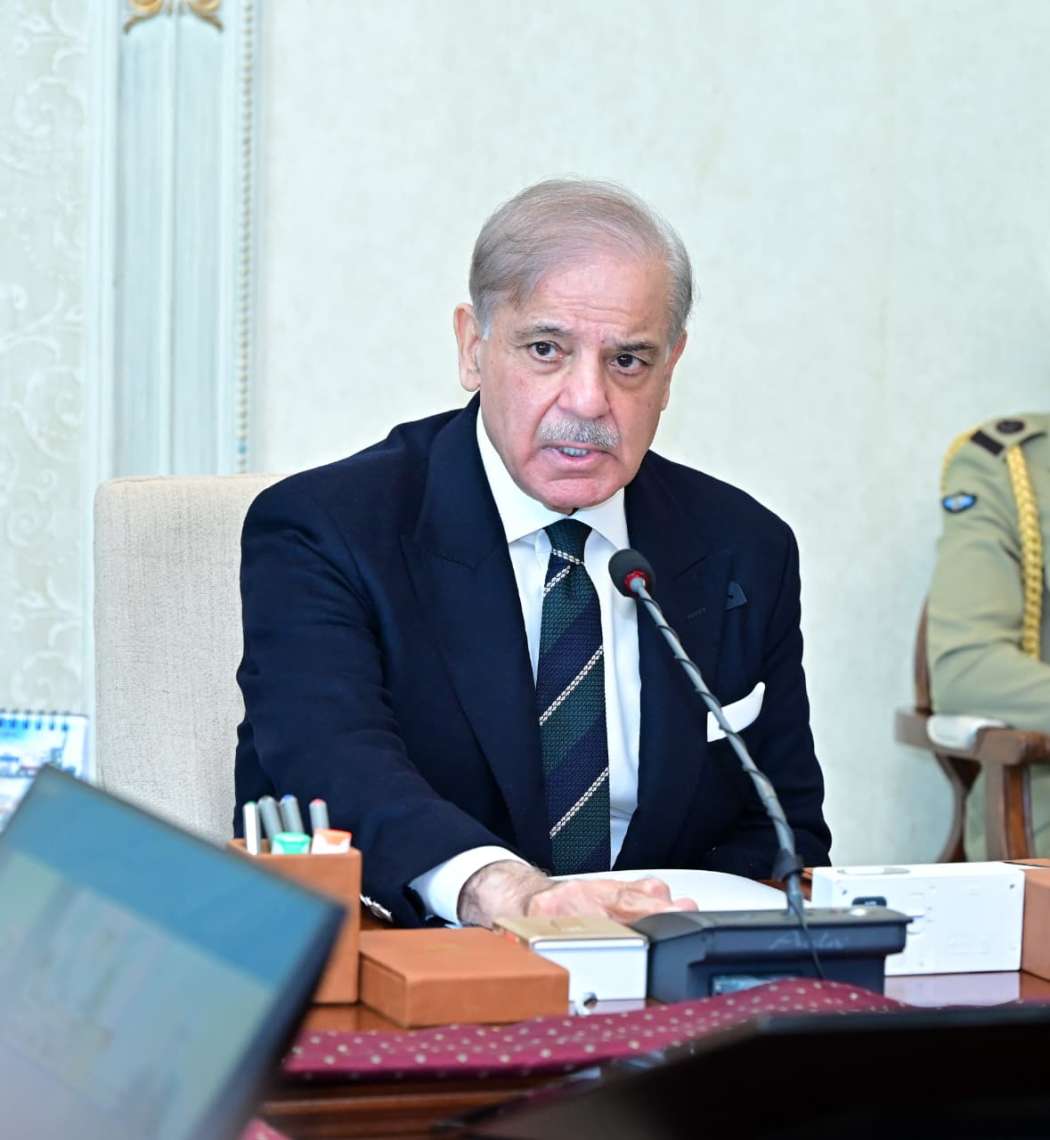
In a rare move reflecting the nation’s economic and energy challenges, Pakistan’s Prime Minister Shehbaz Sharif announced that the 2026 Pakistan Day celebrations would be scaled down due to the ongoing oil crisis. In a statement released by the Prime Minister’s Office on Tuesday evening, Mr Sharif confirmed that the traditional Pakistan Day Parade and associated ceremonial events would not take place on March 23. Instead, the day will be marked by a simple flag-hoisting ceremony “at appropriate levels” in line with broader austerity measures.
The announcement comes as the country grapples with mounting pressures from the Gulf oil crisis, which has heavily impacted government finances and everyday life. Pakistan Day, observed annually on March 23, commemorates the 1940 Lahore Resolution that called for an independent state for Muslims of British India. Normally, the day is celebrated with grand military parades, cultural events, and public gatherings across the country.
Prime Minister Sharif emphasised that the decision aligns with the government’s broader austerity framework, aimed at conserving resources amid an unprecedented energy crunch. “In the backdrop of the ongoing Gulf oil crisis and the consequent austerity measures announced by the Government, it has been decided that the Pakistan Day Parade and associated ceremonial events shall not be held on 23rd March 2026,” the statement said.
Earlier this month, Maryam Nawaz Sharif, Chief Minister of Punjab province, introduced a series of extraordinary measures to manage resources responsibly. These include suspending official fuel supply for provincial ministers, cutting petrol and diesel allowances for government officers by 50%, and enforcing a work-from-home policy for government offices. Schools, colleges, and universities were also ordered closed from March 10 to March 31, while all government outdoor events, including the Horse and Cattle Show cultural festival, were postponed.
The country is facing a sharp increase in fuel costs, with petrol and diesel prices rising by PKR 55 per litre. Household gas supplies have also been disrupted due to suspended liquefied natural gas (LNG) shipments from Qatar, leaving many fasting residents struggling to prepare meals during Sehri and Iftar hours. Local media reports have highlighted widespread frustration among families attempting to manage daily routines amid shortages.
The situation has been exacerbated by ongoing geopolitical tensions in West Asia. The conflict involving Iran has disrupted maritime LNG routes, worsening Pakistan’s domestic energy supply. The aviation sector is also under pressure, with rising fuel costs affecting commercial flight operations and pilot training programmes. Aviation gasoline, required for training aircraft, is now priced at around Rs 670 per litre, and experts warn that small aircraft operations could soon grind to a halt if prices continue to climb.
Finance Minister Muhammad Aurangzeb earlier estimated that Pakistan’s monthly oil import bill could surge to USD 600 million if the crisis persists. Petroleum Minister Ali Pervaiz Malik said the government plans to approach the International Monetary Fund for relief on petroleum levies to help ease financial pressures.
As Pakistan marks its national day with subdued celebrations, the move reflects the wider challenges facing the country’s economy and energy infrastructure. Observers say the scaled-down events serve as a symbolic acknowledgment of the hardships faced by citizens while underlining the government’s commitment to fiscal prudence in extraordinary times.