China and South Africa move towards a new trade pact as Pretoria seeks to cushion the impact of US tariffs and a sharp downturn in diplomatic relations with Washington…reports Asian Lite News
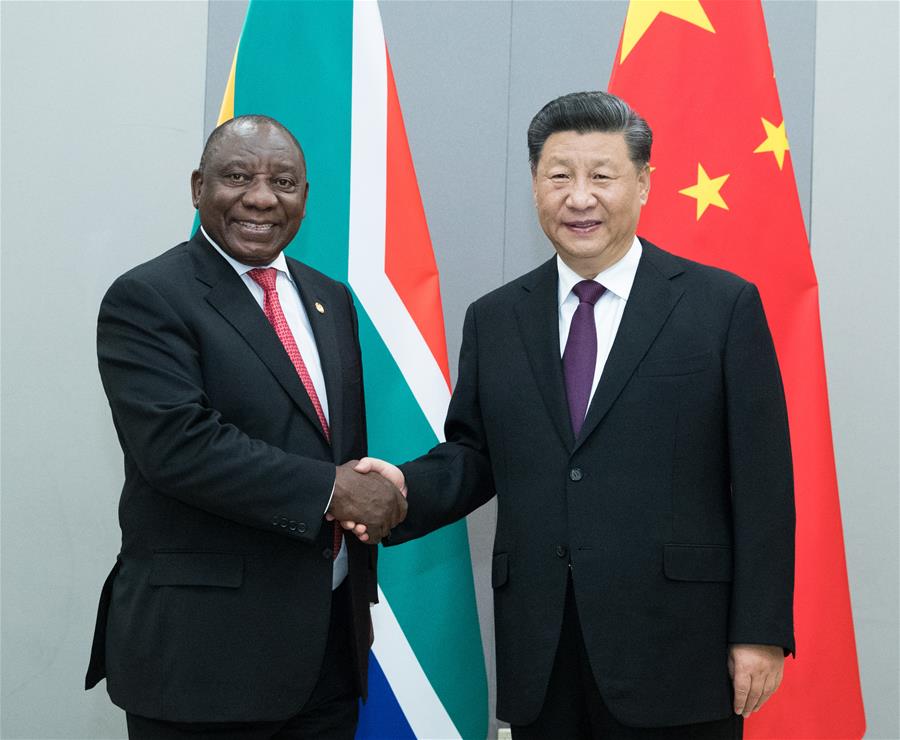
China and South Africa signed a framework agreement on Friday that begins formal negotiations towards a new trade arrangement, as Africa’s most industrialised economy looks for alternatives after steep US import duties and an escalating diplomatic rift with Washington.
South Africa’s Ministry of Trade and Industry said the framework would launch talks on a deal that could grant some South African products, including fruit, duty-free access to the Chinese market. The ministry said it expected negotiations to be concluded by the end of March.
In exchange, China is set to receive expanded investment opportunities in South Africa, where sales by Chinese carmakers have risen quickly in recent years and where Beijing already plays a significant commercial role.
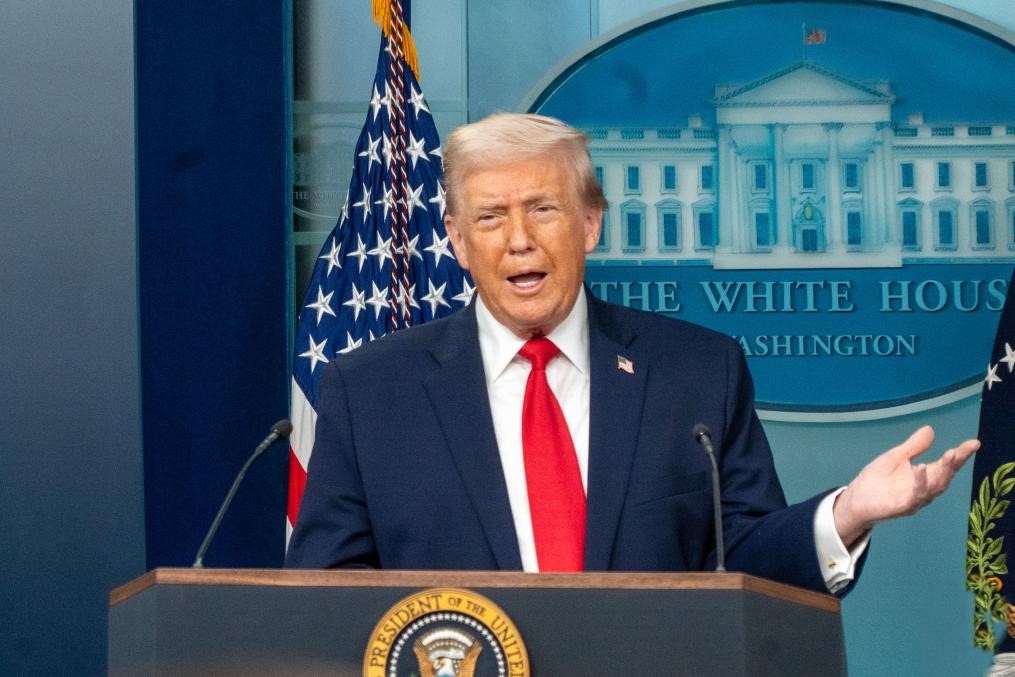
The move comes after the United States imposed 30 per cent duties on certain South African exports under the reciprocal tariffs policy introduced by US President Donald Trump. The rate is among the higher levels applied globally. Pretoria has said discussions with Washington are continuing in an effort to secure improved terms.
The prospective arrangement with Beijing is part of a broader search by countries for options beyond the United States as they respond to Washington’s more protectionist trade stance.
News of the China-South Africa negotiations emerged only days after Trump approved a short-term renewal of the African Growth and Opportunity Act, a longstanding framework that grants eligible African states preferential access to US markets. The extension runs only until the end of the year, with the administration signalling that changes are likely to align the programme with its America First agenda. South Africa has been one of the principal beneficiaries of the arrangement.
China is already South Africa’s largest trading partner for both imports and exports. Its economic footprint across Africa has expanded steadily over the past two decades, and Chinese companies have become deeply involved in the extraction of minerals regarded as vital for advanced manufacturing and newer technologies.
“South Africa looks forward to working with China in a friendly, pragmatic and flexible manner,” the trade ministry said in a statement issued after the signing.
Trade and Industry Minister Parks Tau travelled to China for the ceremony. He said the agreement would support key parts of the domestic economy, including mining, agriculture, renewable energy and technology.
Relations between Washington and Pretoria have deteriorated sharply. The Trump administration has accused South Africa of following an anti-American foreign policy and of permitting the violent persecution of a white minority at home. South Africa’s government has rejected claims that white Afrikaner farmers are being killed in a systematic campaign to take their land, describing the allegations as unfounded.
Trump has also moved to exclude South Africa from participating in meetings of the Group of 20 hosted by the United States this year, further straining ties.
Trade patterns underline the importance of the relationship with Beijing. South Africa’s main exports to China include gold, iron ore and platinum-group metals. At the same time, Chinese automotive brands have increased their share of the South African market at speed. Industry bodies estimate that their presence has climbed from roughly 2.8 per cent in 2020 to between 11 and 15 per cent last year.
Officials in Pretoria argue that widening commercial links with China does not preclude continued engagement with the United States, but the rapid progress towards a potential agreement with Beijing highlights the urgency felt by policymakers as they navigate an increasingly uncertain global trading environment.`