Sanae Takaichi, has called a snap general election in a bid to convert strong approval ratings into a fresh mandate…reports Asian Lite News
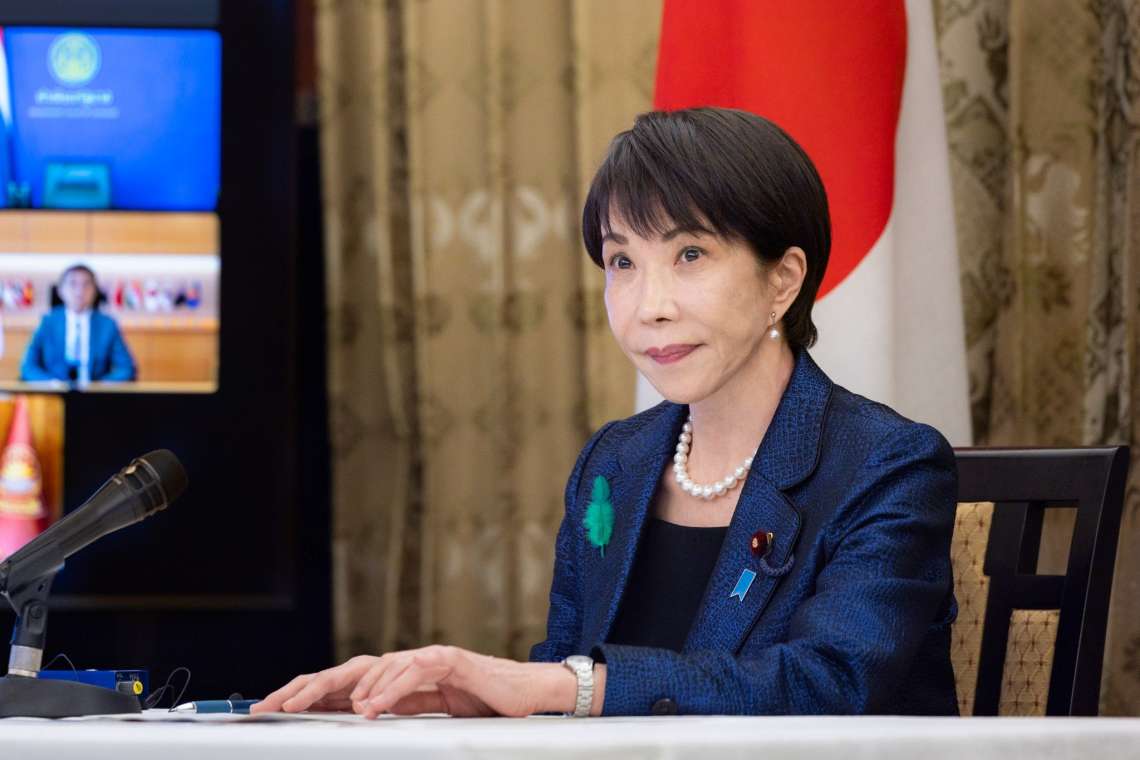
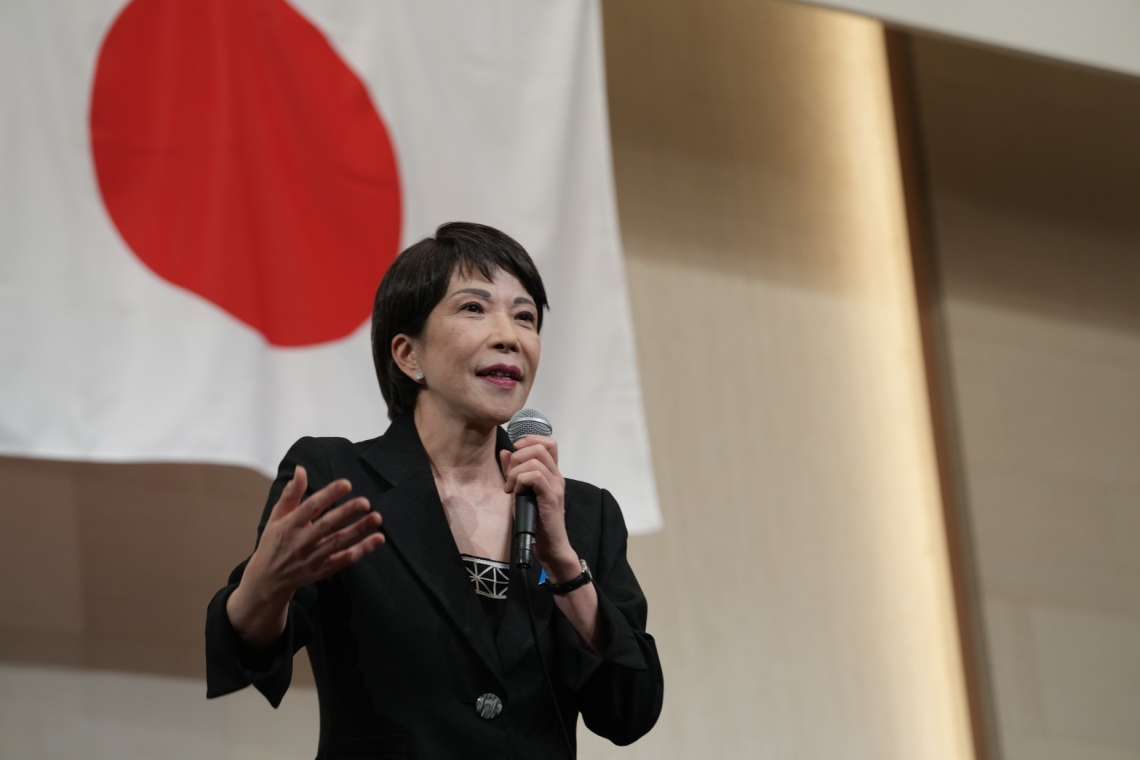
Japan’s prime minister, Sanae Takaichi, has called a snap election as she seeks to capitalise on strong approval ratings three months after becoming the country’s first woman to hold the office. Takaichi said on Monday that she would dissolve the lower house of the Diet on 23 January, with voters going to the polls on 8 February, more than two and a half years before an election was due.
Speaking at a press conference in Tokyo, Takaichi said she wanted the public to decide whether she was fit to continue leading the country after taking office following the resignation of her predecessor. Describing the decision as “very difficult”, she told reporters: “I am putting my future as prime minister on the line. I want the people to decide directly whether they can entrust the management of the country to me.”
The next lower house election had not been scheduled until October 2028, but Takaichi appears confident that her personal popularity can help reverse a recent run of poor results for the long-ruling Liberal Democratic party. Since taking office in October, she has enjoyed approval ratings that are high by recent Japanese standards, boosted by a decisive style and a clear stance on security issues.
Her authority, however, rests on fragile parliamentary foundations. The LDP and its former junior coalition partner Komeito lost their majority in the powerful lower house in October 2024 and were again weakened in the upper house election last July. When she became prime minister, Takaichi was forced to rely on support from the populist Japan Innovation party, which shares many of her conservative views but has limited experience of national government.
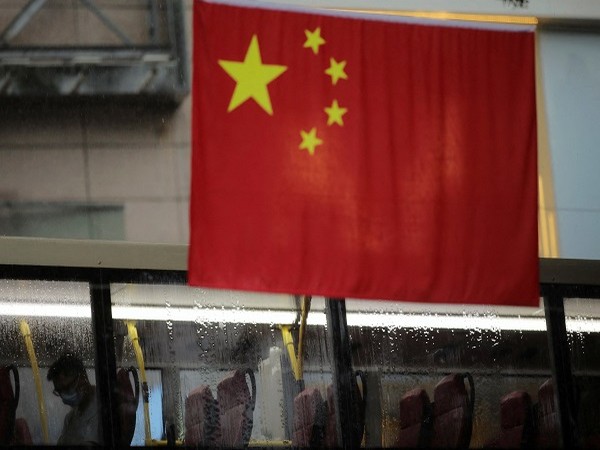
Takaichi made a confident international debut, holding early meetings with US president Donald Trump and China’s leader, Xi Jinping. Relations with Beijing later deteriorated after she suggested Japan could become militarily involved in a conflict over Taiwan if its own security were threatened. China claims Taiwan as a province and has said it is preparing for possible annexation by force, while US intelligence assessments in recent years have indicated that Beijing aims to be capable of an invasion by 2027.
The prime minister has refused to withdraw her remarks, a stance that has strengthened her standing among voters concerned about regional security. But the dispute has also carried economic risks. China has urged its citizens not to travel to Japan, leading to cancelled meetings and events, and raising concerns about the impact on tourism and exports in an economy that remains heavily trade-dependent.
This month Beijing banned exports of so-called dual-use items to Japan’s military, a move Takaichi said violated international protocols. Dual-use items are goods, software or technologies with both civilian and military applications. Chinese officials have said the ban will apply only to Japanese military firms, but analysts say the decision underlines the potential for further economic pressure.
At home, the government faces scrutiny over the rising cost of living and a lingering political funding scandal that has damaged trust in the LDP. A poll released by the public broadcaster NHK last week found that 45 per cent of respondents cited prices as their main concern, with diplomacy and national security second at 16 per cent.
In response, the governing coalition is considering suspending the 8 per cent consumption tax on food items for two years. Media reports have also suggested Takaichi may seek to ban political fundraisers by ministers in an attempt to ease public anger over the widespread use of slush funds by party lawmakers.
An advocate of big spending to revive Asia’s second-largest economy, Takaichi said at the weekend that she had instructed ministers to ensure the swift implementation of a supplementary budget for the current fiscal year, which runs through March, and to secure parliamentary approval for next year’s budget. She has argued that fiscal stimulus is needed to support households and businesses facing higher prices.
The snap election will also test a newly reshaped opposition. A new party, the Centrist Reform Alliance, was launched this month following a merger between the main opposition Constitutional Democratic party of Japan and Komeito, formerly the LDP’s coalition partner. Speaking at the launch on Monday, the CDPJ’s secretary general, Jun Azumi, said the new group would “reflect a centrist approach aimed at moving from divisive, confrontational politics to one of coexistence and inclusion”.
A strong signal that Takaichi was preparing to seek her first public mandate as prime minister came earlier this month when she wrote on X: “I made a fresh determination as a leader who must fulfil the heavy responsibility of leading Japan.” She said she had visited a memorial to her political mentor, the late prime minister Shinzo Abe, who was assassinated in July 2022 in Nara prefecture, where Takaichi has her constituency.
Whether high approval ratings can be converted into electoral success remains uncertain. By calling an early vote, Takaichi has chosen to confront voters at a moment of relative strength, but with relations with China strained, prices rising and party politics in flux, the gamble carries risks as well as opportunity.