Afghanistan’s rulers seek deeper ties abroad while sanctions and rights concerns continue to block recognition….reports Asian Lite News Desk
Afghanistan’s Taliban administration is stepping up efforts to engage with foreign governments and expand working relationships despite continuing international isolation, sanctions and widespread concerns over its human rights record.
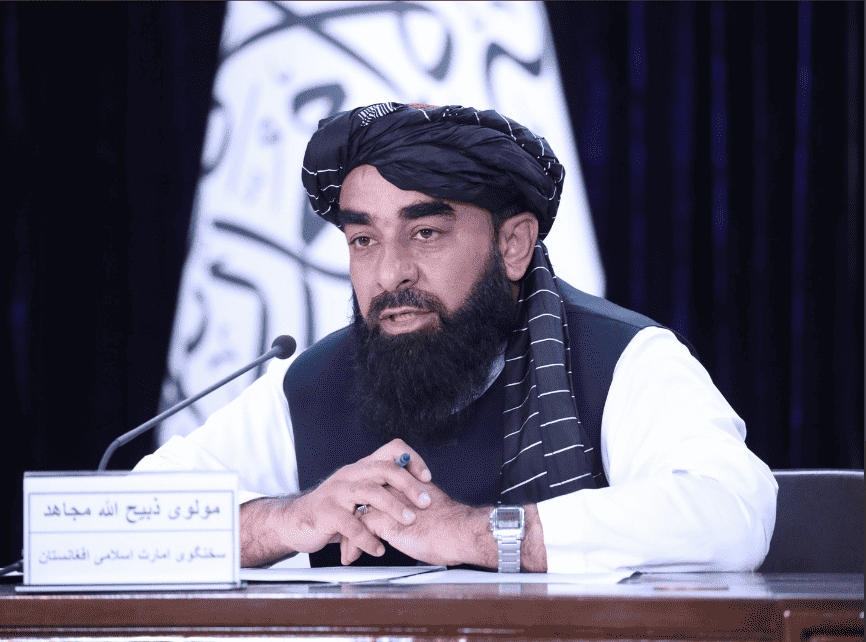
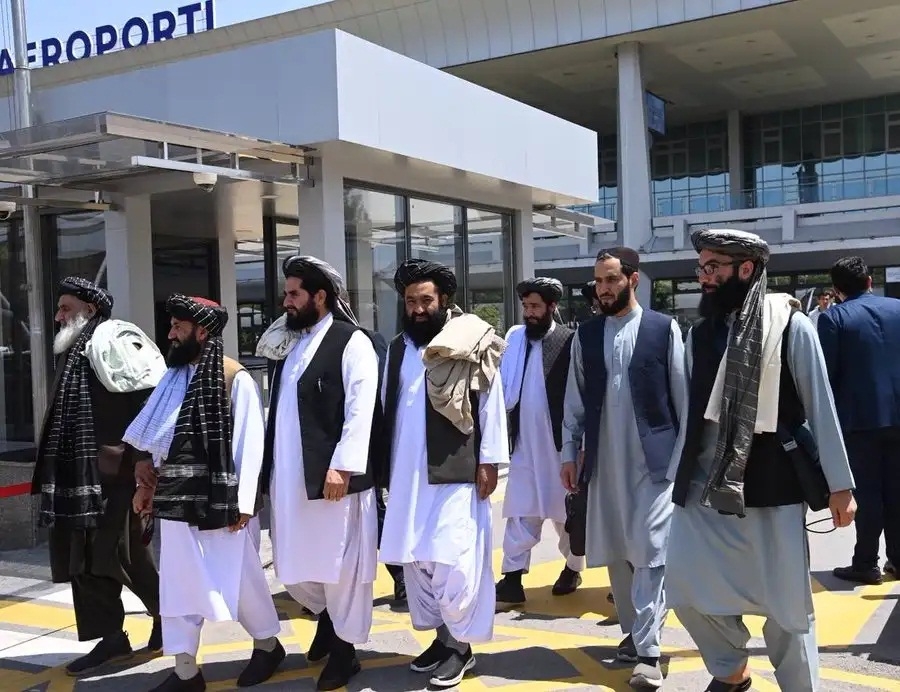
According to Afghan media reports, Taliban government officials have undertaken more than 90 foreign trips, citing administration spokesperson Zabihullah Mujahid, as Kabul seeks to strengthen political and economic engagement without securing broad international recognition.
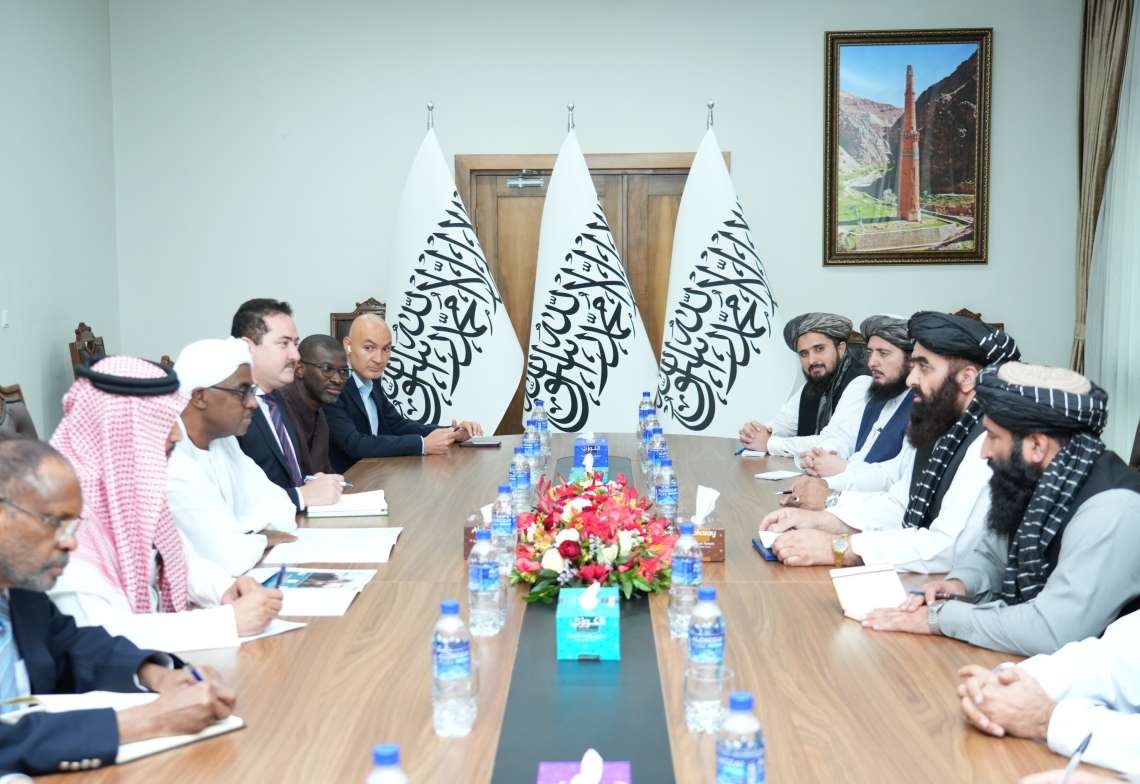
The Taliban has also moved to restore the operations of Afghan diplomatic missions in several countries despite the absence of formal recognition for its government. Many Taliban officials remain subject to UN sanctions and travel restrictions, requiring exemptions for overseas visits.
India has emerged as one of the countries maintaining engagement with Kabul. Several Taliban ministers have visited India, while New Delhi has continued to provide humanitarian assistance to Afghanistan. Kabul has frequently highlighted the historic ties between the two countries and described India as a reliable health partner.
Earlier this year, the Taliban administration appointed a diplomat to the Afghan Embassy in New Delhi. India, meanwhile, has upgraded its technical mission in Kabul to a full embassy and continues diplomatic engagement, although it has not formally recognised the Taliban government.
Russia remains the only country with official diplomatic ties with the Taliban administration, while China and Afghanistan have exchanged diplomatic representatives.
Mujahid said Afghanistan’s relations, particularly in the economic sphere, had expanded over the past year with countries including Iran, India and Uzbekistan.
The Taliban’s renewed diplomatic push comes as Afghanistan remains largely isolated from the international community following the group’s return to power in August 2021. Many countries severed or downgraded relations over concerns about the Taliban’s restrictions on women and girls.
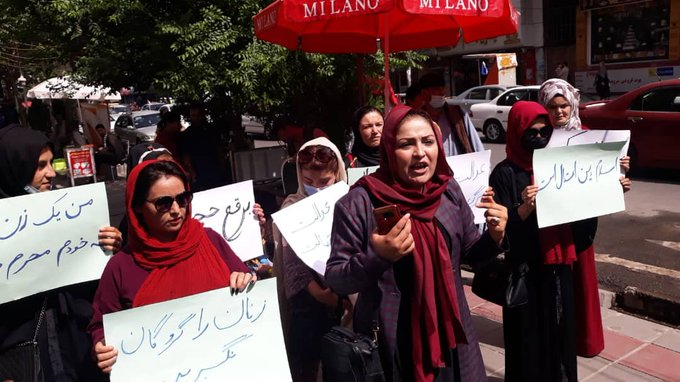
Girls in Afghanistan remain barred from education beyond certain levels, while women face restrictions on employment and participation in public life.
The UN has repeatedly warned that Afghanistan remains disconnected from the international system. Former UN Assistance Mission in Afghanistan head Roza Otunbayeva said the country was “ruptured from the international community”, pointing to sanctions, travel bans and the freezing of Afghanistan’s central bank assets.
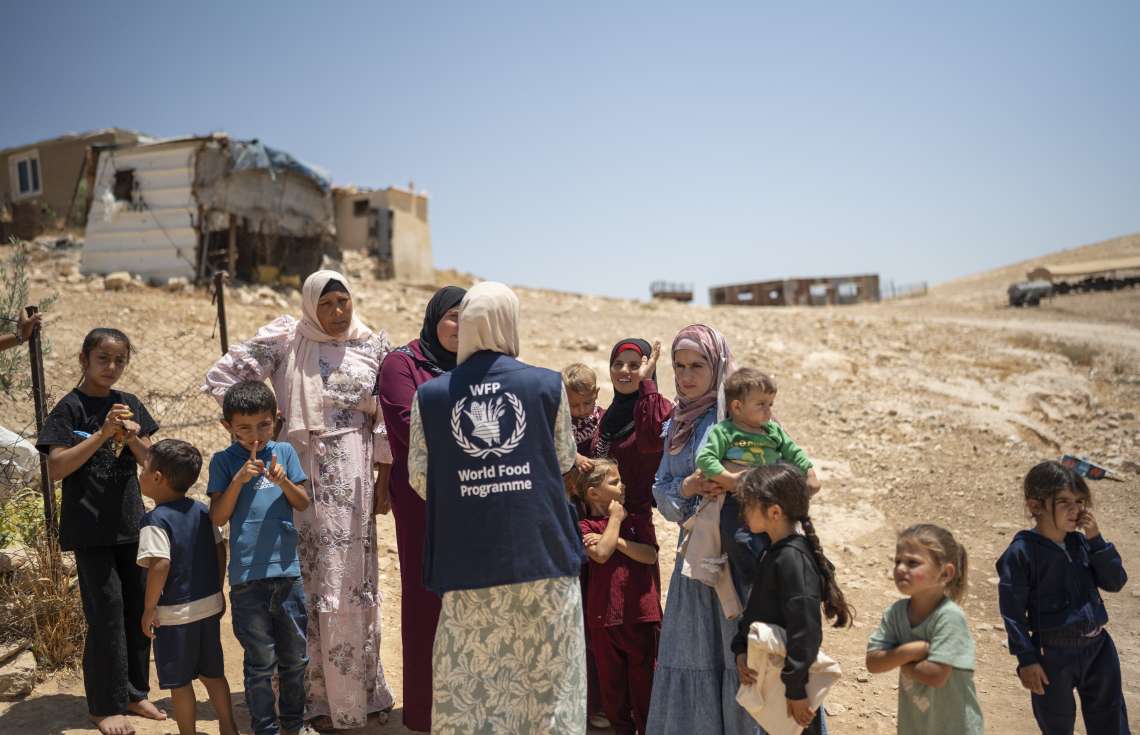
Humanitarian agencies have also raised concerns about declining international attention and funding. Reports have warned of worsening food insecurity and acute malnutrition, with more than 100 clinics treating malnourished children reportedly shut down amid cuts in humanitarian assistance.
The UN Security Council is scheduled to hold its quarterly briefing on Afghanistan later this month, as international divisions persist over how to engage with the Taliban while pressing for an inclusive government, respect for international obligations and stronger guarantees on human rights and counterterrorism.
Despite the diplomatic outreach, the Taliban continues to face the central challenge of convincing the international community to engage more deeply without formally recognising its government.