Trump invites Xi to Washington summit as both leaders signal fresh push for cooperation, seeking to stabilise US-China ties amid global tensions and economic uncertainty, reports Asian Lite News Desk
A renewed attempt to stabilise one of the world’s most consequential bilateral relationships is underway after Donald Trump extended an invitation to Xi Jinping for a formal summit at the White House later this year, with both leaders signalling a willingness to recalibrate ties amid mounting geopolitical strain.
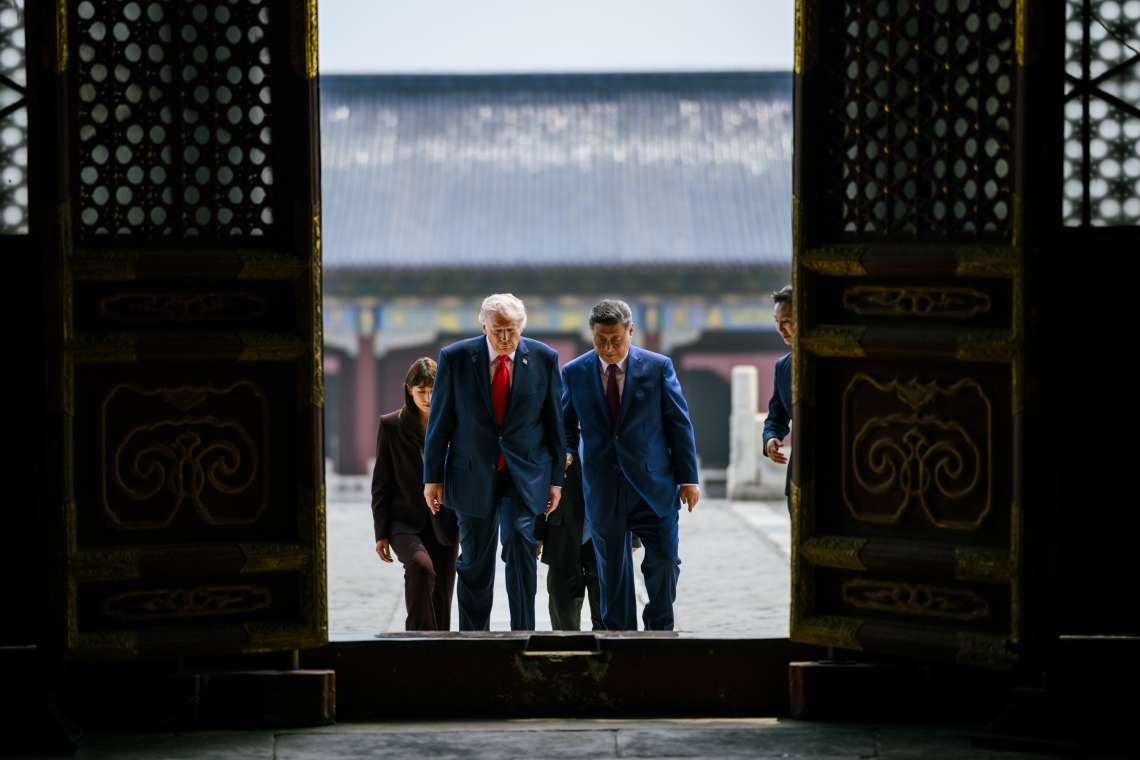
The invitation, addressed to President Xi and First Lady Peng Liyuan, is aimed at hosting the Chinese leadership in Washington on September 24, marking a potential milestone in US-China engagement at a time of heightened global uncertainty. The announcement came during President Trump’s high-profile visit to Beijing, where he received a ceremonially elaborate welcome and held extensive talks with his Chinese counterpart.
Speaking during official engagements in the Chinese capital, President Trump struck an optimistic tone about the future of relations between the two countries, describing recent discussions as “extremely positive and constructive”. He praised what he characterised as a longstanding sense of mutual respect between the American and Chinese peoples, while also expressing appreciation for the reception accorded to him at the start of his visit.
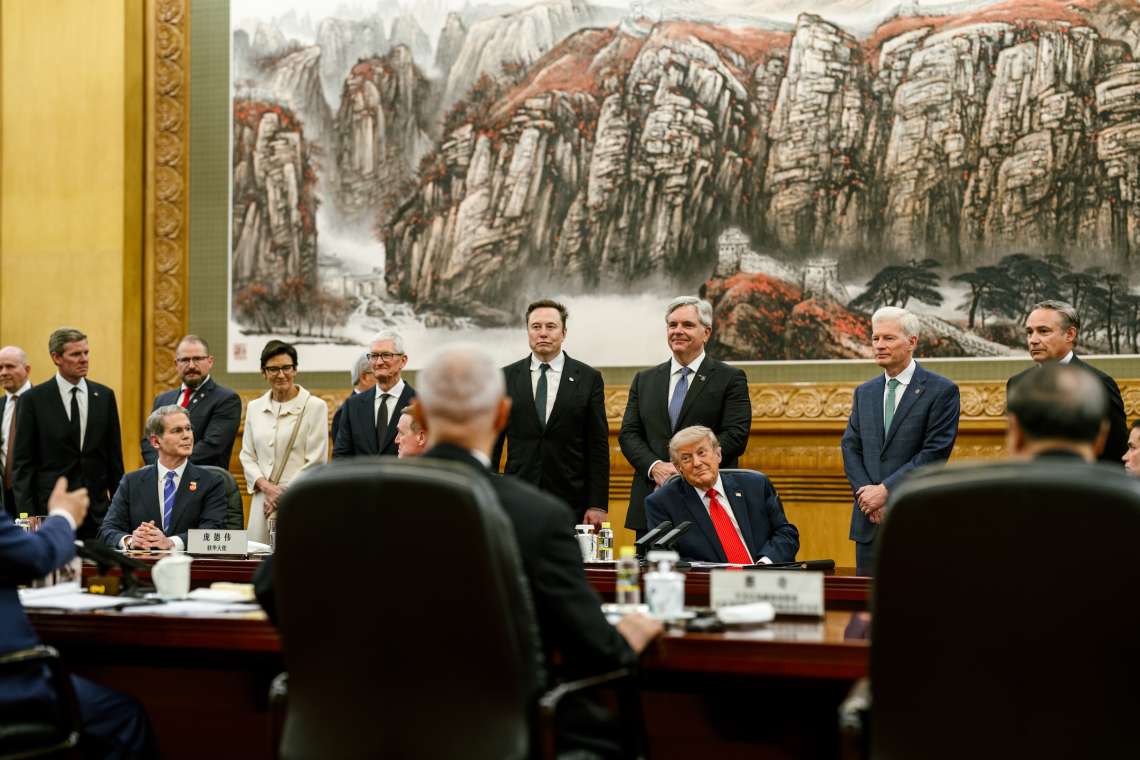
The visit itself carried symbolic weight, representing President Trump’s return to China after nearly a decade and unfolding under intense international scrutiny. Proceedings began with a formal reception at the Great Hall of the People, where President Xi greeted his American counterpart with full military honours. The ceremony, marked by the playing of the US national anthem and choreographed displays by schoolchildren, set the tone for a summit that combined diplomatic theatre with substantive discussions on pressing global issues.
At a state banquet hosted by the Chinese leadership, President Trump underscored the personal rapport between the two leaders, referring to President Xi as “my friend” while reflecting on the historical foundations of US-China relations. He invoked early interactions between American traders and China, presenting the relationship as one rooted in centuries of exchange but now elevated to global significance.
Framing the modern relationship as pivotal to international stability, President Trump described US-China ties as among the most consequential in the world, suggesting that the outcome of ongoing engagement could shape the trajectory of the global economy. He reiterated his desire for continued dialogue by formally inviting President Xi to Washington, positioning the proposed summit as an opportunity to deepen cooperation.
For his part, President Xi emphasised the broader strategic context in which the relationship operates, warning that the international system is undergoing “profound changes”. He referenced the concept of the “Thucydides Trap”, a theory often cited in discussions of great power competition, cautioning against a trajectory in which rivalry between an established power and a rising one leads to conflict.
Instead, President Xi called for a reframing of the bilateral dynamic, urging both nations to act as “partners, not rivals”. He stressed that the United States and China share more common interests than differences, and advocated for opening a “new chapter” in relations grounded in stability and cooperation.
The summit discussions also reflected the economic dimension of the relationship, with President Trump accompanied by a delegation of senior figures from American corporate and technology sectors. Their presence signalled an intention to expand trade and investment opportunities, even as longstanding disputes over market access, tariffs, and technology transfers remain unresolved.
President Trump characterised the meeting as potentially transformative, suggesting it could be “maybe the biggest ever” in terms of its implications for global economic structures. Such remarks underline the stakes attached to the evolving US-China relationship, which continues to influence markets, supply chains, and international institutions.
The diplomatic engagement takes place against a complex geopolitical backdrop. Tensions in the Middle East, particularly involving Iran, and domestic political debates within the United States have added layers of pressure on Washington’s foreign policy priorities. Within this context, efforts to stabilise ties with Beijing may be viewed as part of a broader recalibration of strategic focus.
While the invitation to Washington represents a forward-looking gesture, significant challenges remain. Differences over trade imbalances, technological competition, and the status of Taiwan continue to test the limits of cooperation. However, the tone adopted by both leaders during the Beijing meeting suggests a shared interest in managing these disputes without escalation.