US President said a naval blockade on Iran could last months, sending oil prices to a four-year high amid fears of prolonged supply disruption. Iran’s President Masoud Pezeshkian warned the move would deepen instability in the Gulf and is “doomed to fail”…reports Asian Lite News
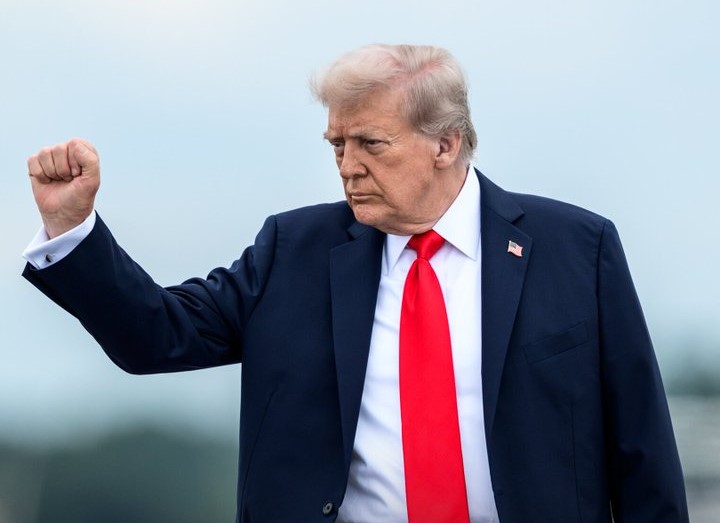
Oil prices surged to their highest level in more than four years after Donald Trump said a US naval blockade against Iran could last for months, intensifying concerns over global energy supplies and regional stability.
Speaking after a meeting with oil executives, Trump indicated that the blockade of Iranian ports was a more effective strategy than direct military strikes, as tensions between Washington and Tehran continue to escalate. The remarks came as markets reacted sharply to the prospect of prolonged disruption in one of the world’s most critical oil-producing regions.
In comments to Axios, Trump described the impact of the naval measures in stark terms, saying of Iran, “They are choking like a stuffed pig. And it is going to be worse for them.” Tehran has insisted that any blockade must be lifted as a condition for progress in negotiations, underscoring the widening gap between the two sides.
The market response was immediate. Brent crude, the international benchmark, rose more than 7% to $126.41 a barrel for June delivery, while US West Texas Intermediate climbed around 3% to $110.31. Both benchmarks later pared some of their gains, but remained elevated, reflecting ongoing uncertainty.
Analysts pointed to fears that any sustained disruption to shipping routes could tighten global supply at a time when demand remains relatively strong. The focus has been on the Strait of Hormuz, a narrow passage through which roughly one-fifth of the world’s oil supply typically passes. Iran has previously indicated it could seek to leverage this chokepoint by exerting control over it in response to external pressure.

The developments have heightened concerns among energy producers and consumers alike, with governments monitoring the situation closely for potential economic fallout. Higher oil prices could feed into global inflationary pressures, particularly in countries heavily reliant on imported energy.
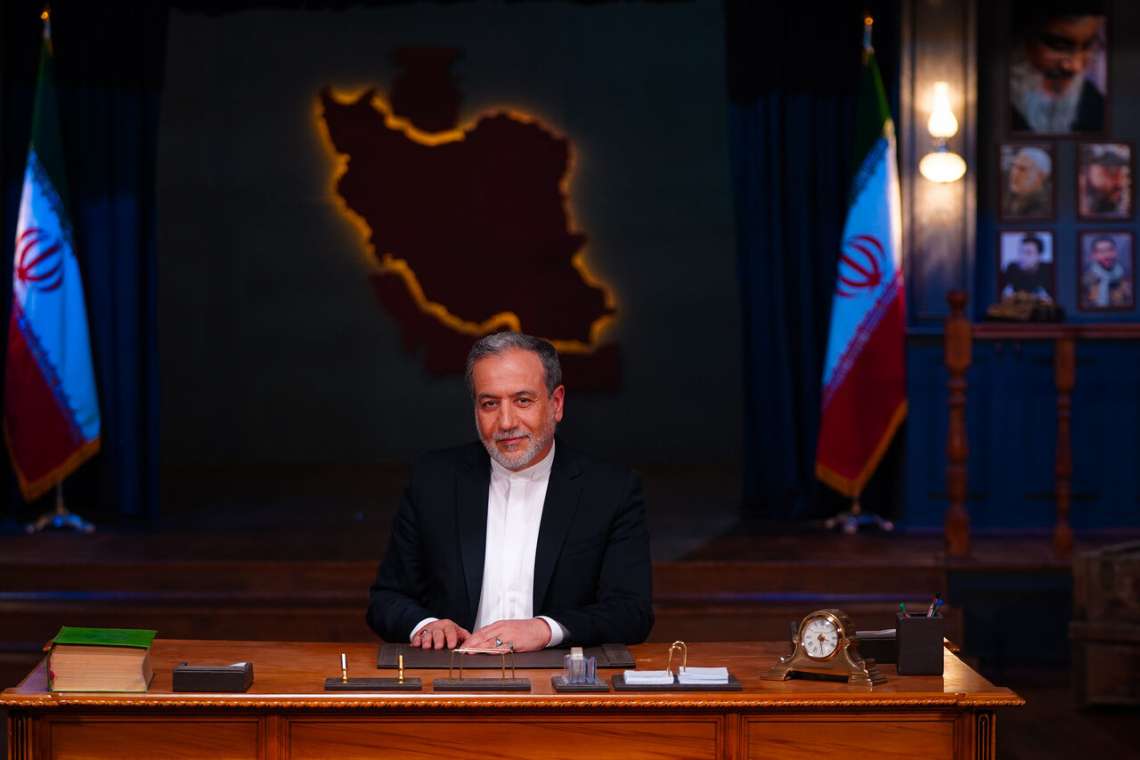
Iran responded forcefully to the US position. President Masoud Pezeshkian said a naval blockade would worsen instability in the Gulf and would ultimately fail to achieve its intended goals.
“Any attempt to impose a maritime blockade or restrictions is contrary to international law… and is doomed to fail,” Pezeshkian said in a statement released on Thursday. He added that such actions would “not only fail to enhance regional security, but are in fact a source of tension and a disruption to lasting stability in the Arabian Gulf.”
Tehran’s response reflects longstanding concerns about freedom of navigation and the legal basis for such measures under international law. Iranian officials have repeatedly warned that increased military pressure could provoke countermeasures, raising the risk of further escalation in an already volatile region.
The standoff highlights the fragile balance in global energy markets, where geopolitical developments can rapidly shift supply expectations. Traders and policymakers are now watching closely for any signs of de-escalation or further confrontation, particularly in key maritime corridors.
While prices have stabilised slightly after the initial spike, the underlying risks remain. Any sustained disruption to shipping or production in the Gulf could have far-reaching implications for global trade and economic growth.
As diplomatic efforts appear stalled, the prospect of a prolonged blockade continues to weigh on markets and international relations, with both Washington and Tehran signalling little willingness to back down in the near term.