Zoho founder calls on Indian professionals in the US to return home, linking national standing to technological strength. Sridhar Vembu says shifting attitudes abroad and India’s development needs make a case for reversing decades of talent outflow…reports Asian Lite News
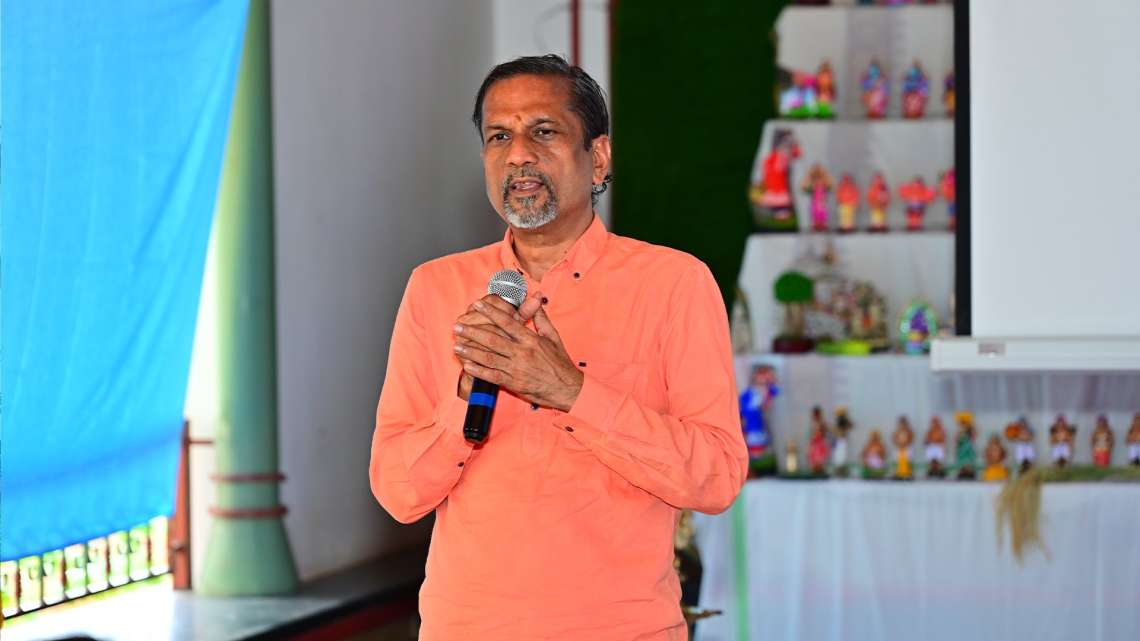
Sridhar Vembu, founder and chief scientist of Zoho Corporation, has urged Indian professionals living in the United States to consider returning to India, arguing that the country’s global standing depends on its technological capability and the retention of its talent.
In an open letter addressed to “brothers and sisters from Bharat”, Vembu reflected on his own move to the US nearly four decades ago and acknowledged the opportunities it created for Indian professionals. He said the experience had been beneficial but suggested that circumstances were changing in ways that could affect Indians working abroad.
“America was good to us. For that, we must remain grateful; gratitude is our Bharatiya way,” he wrote. He added that there had been, in his view, a perceptible shift in attitudes among sections of American society towards Indian professionals.
“A significant number of Americans… believe that Indians ‘take away’ American jobs and our success… was unfairly earned,” he said, warning that such perceptions could influence the environment in the coming years.
Vembu argued that these developments should be considered alongside broader global and national dynamics. He suggested that electoral changes in the US would not fundamentally alter the trajectory, describing the political landscape as a contest between ideological extremes in which Indians remain peripheral.
The letter framed the issue of migration within a wider discussion about India’s economic and technological progress. Vembu said the respect accorded to Indians internationally is closely linked to the country’s level of development and its ability to build and sustain technological strength.
“If India remains poor, we will receive lectures… with pity or with scorn. We must not confuse either with respect,” he said.
He emphasised that prosperity and national security are tied to technological capability, adding that India continues to produce large numbers of skilled professionals but has historically seen many of them build careers abroad. According to Vembu, this long-standing pattern has contributed to a significant outflow of talent.
Calling for a shift in this trend, he appealed directly to Indian professionals overseas to consider returning and contributing to domestic growth. He said the experience and expertise gained abroad could play a crucial role in strengthening India’s technological ecosystem.
“Prosperity and security flow from technological capability. India continues to produce significant talent, but has exported much of it over the years. Bharat Mata needs your talent… our youthful population needs the technology leadership you gained. Let’s do it with a missionary zeal,” he wrote.
The comments come amid ongoing debates about migration, global labour markets and the role of skilled workers in national development. India has long been one of the largest sources of highly skilled migrants to countries such as the United States, particularly in sectors such as information technology, engineering, and research.
Vembu’s intervention highlights a growing strand of opinion within India’s technology sector that calls for greater domestic retention of talent as the country seeks to expand its economic and industrial capabilities. It also reflects concerns about changing immigration policies and public sentiment in destination countries.
While the letter does not propose specific policy measures, it underscores the importance of creating conditions that would encourage professionals to return, including opportunities for innovation, entrepreneurship and leadership in emerging technologies.
The appeal is likely to resonate with ongoing discussions about India’s ambitions to become a global technology hub and the role of its diaspora in achieving that goal. Whether it leads to a measurable shift in migration patterns remains uncertain, but it adds to a wider conversation about how nations compete for and retain skilled human capital in an increasingly interconnected world.