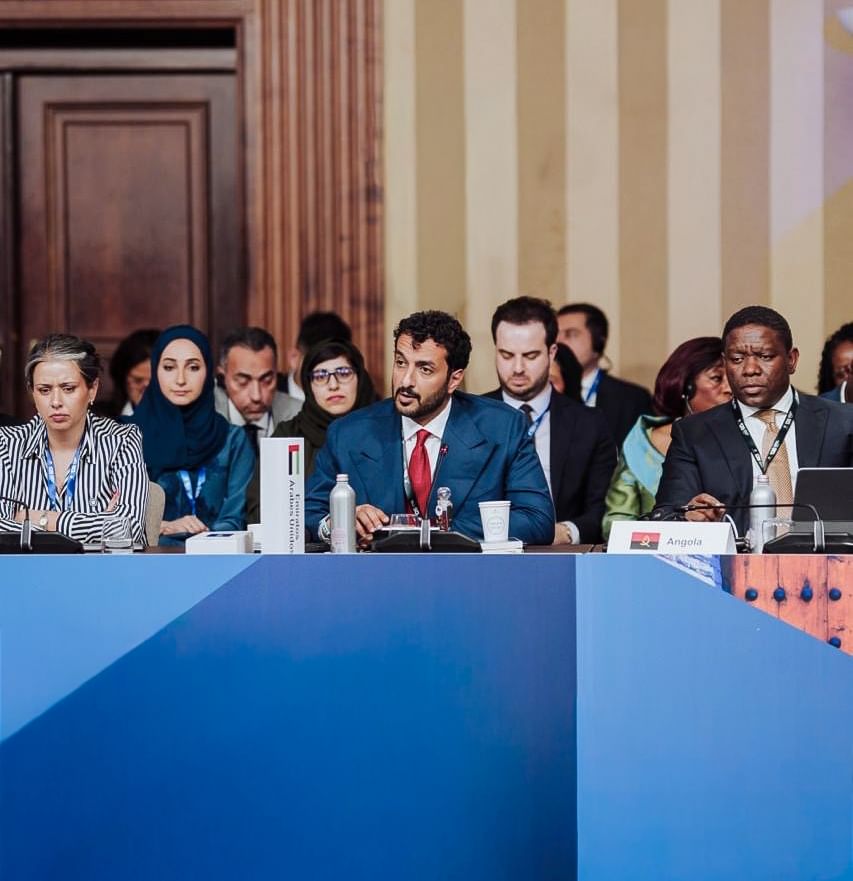
UAE to host UN Tourism Executive Council session in 2026, highlighting its growing global influence and commitment to sustainable, innovative and resilient tourism sector development, reports Asian Lite News Desk
The United Arab Emirates is set to host a key global tourism gathering in 2026, marking a significant endorsement of its growing influence in shaping the future of the international travel sector.
The UN Tourism Executive Council has officially approved the UAE to host its 127th session in the second half of 2026. The decision was announced during the council’s 126th session held in Toledo, Spain, where the UAE participated with a delegation led by Abdulla bin Touq Al Marri, Minister of Economy and Tourism.
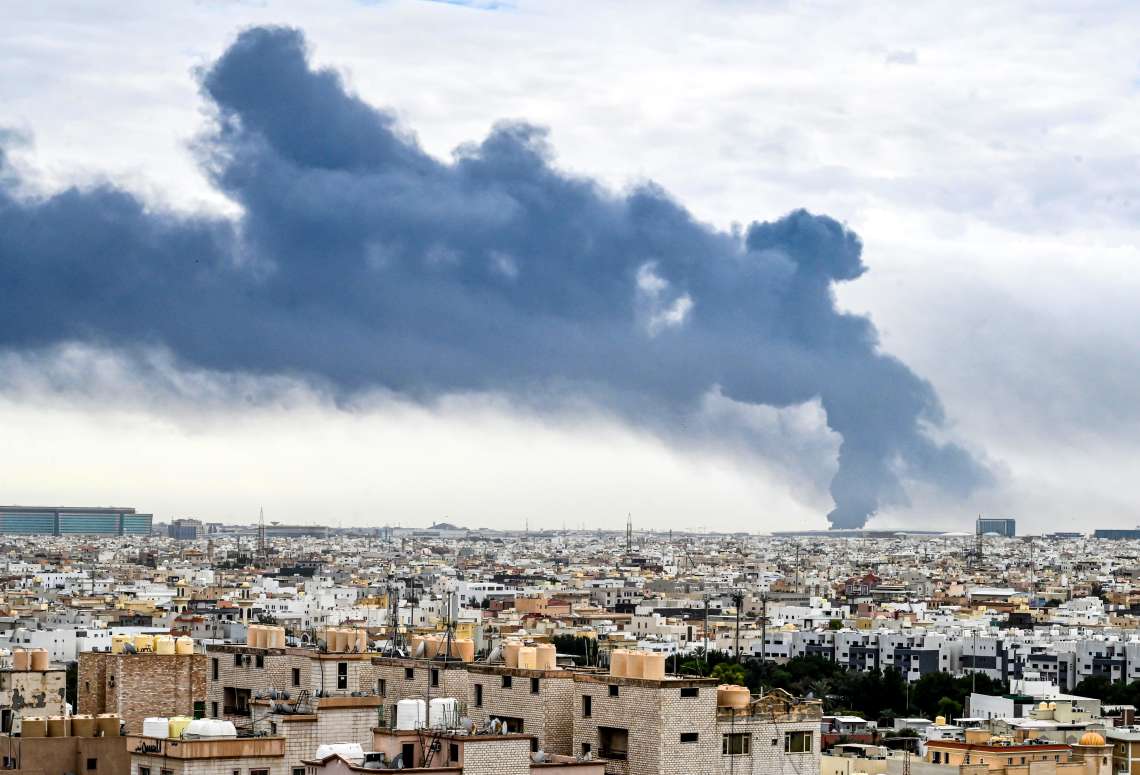
The endorsement comes at a time when the Middle East is grappling with escalating security concerns, including recent missile and drone attacks across parts of the Gulf. Against this backdrop, the selection of the UAE as host is being viewed as a signal of international confidence in the country’s stability, governance and ability to convene global stakeholders even amid regional uncertainty.
During the session, the UAE reaffirmed its commitment to advancing a global tourism model that is sustainable, resilient and innovation-driven. Officials highlighted the importance of strengthening international cooperation at a time when the sector is undergoing rapid transformation, shaped by technological change, climate challenges and shifting travel patterns.
The Executive Council meeting in Spain addressed a wide range of strategic priorities that are expected to define the future of global tourism. These included digital transformation, the integration of artificial intelligence, climate action, tourism investment frameworks and the development of reliable data and statistics. Discussions also covered preparations for the International Year of Sustainable and Resilient Tourism in 2027, alongside the organisation’s broader vision for the 2026–2029 period.
Bin Touq said the global tourism industry stands at a critical juncture, requiring closer collaboration between governments, international organisations and the private sector. He stressed that building a flexible and forward-looking tourism ecosystem would be essential to adapting to global shifts and capitalising on emerging opportunities.
He noted that the UAE has developed a comprehensive tourism model anchored in sustainability, innovation and economic openness. This approach, he said, has helped position the country among the world’s most competitive destinations while strengthening the sector’s contribution to the national economy and reinforcing its status as a hub for tourism, business and investment.
Central to this strategy is the UAE Tourism Strategy 2031, which aims to significantly expand the sector’s economic footprint. The roadmap targets raising tourism’s contribution to gross domestic product to AED450 billion, attracting AED100 billion in new investments and welcoming 40 million hotel guests annually. These ambitions form part of broader efforts to diversify the national economy and enhance global competitiveness.
Officials also pointed to a series of national initiatives designed to support these goals. These include the National Tourism Charter, the development of a Tourism Satellite Account to improve economic measurement, and the adoption of frameworks to track sustainability in tourism. Programmes such as the Grand Tourism Tours initiative aim to further enhance visitor experiences and promote the UAE’s diverse offerings.
The country is also investing heavily in advanced technologies, including artificial intelligence and data analytics, to improve tourism services, destination management and customer experiences. Authorities say these efforts are intended to support innovation, attract investment and develop local talent in the sector.
During the council proceedings, the UAE expressed support for the vision of Sheikha Nasser Al Nowais, Secretary-General of UN Tourism, which focuses on strengthening organisational performance, expanding development impact and accelerating digital transformation across the global tourism landscape.
Bin Touq said the decision to host the 127th session reflects the strong partnership between the UAE and UN Tourism, as well as a shared commitment to using tourism as a driver of socio-economic development, cultural exchange and international cooperation. He added that the selection underscores the UAE’s success in building a tourism ecosystem that integrates sustainability, competitiveness and global partnerships.
The upcoming session is expected to bring together policymakers, industry leaders and experts from around the world. It will provide a platform to showcase best practices in tourism investment, innovation, sustainability and capacity building, while facilitating dialogue on the sector’s most pressing challenges and opportunities.