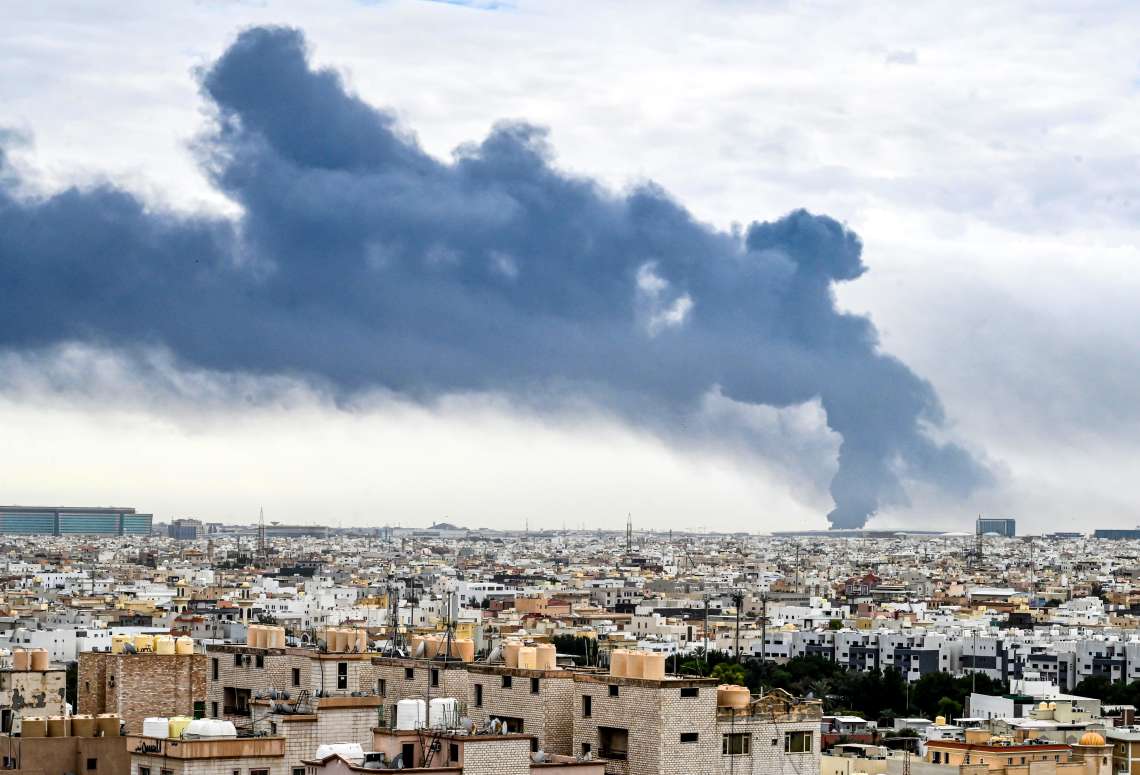
UAE, GCC and Muslim World League condemn Iranian missile and drone attacks on Bahrain, Kuwait and Jordan, warning of escalating tensions and threats to regional stability, reports Asian Lite News Desk
The United Arab Emirates has issued a strong condemnation of what it described as “terrorist and unprovoked” missile and drone attacks launched by Iran against multiple countries in the region, as tensions escalate across the Gulf and wider Middle East.
In an official statement, the Ministry of Foreign Affairs said the attacks targeting the Bahrain, Kuwait and Jordan constitute a “flagrant violation” of their sovereignty and a direct threat to regional security and stability. The UAE reaffirmed its full solidarity with the three countries and expressed support for all measures taken to protect their territorial integrity and ensure the safety of their citizens.
The condemnation comes amid reports of coordinated aerial attacks involving ballistic missiles and drones. Authorities in the targeted countries said their air defence systems were activated to intercept incoming threats, preventing significant casualties and damage.
The Muslim World League also denounced the strikes, describing them as continued “criminal aggression” that violates religious principles as well as international and humanitarian law. In a statement, the organisation reiterated its support for Bahrain, Kuwait and Jordan, backing their right to safeguard national security and protect residents.
In Bahrain, the General Command of the Bahrain Defence Force confirmed that its air defence systems successfully intercepted and destroyed hostile aerial targets. In a statement carried by the Bahrain News Agency, the military accused Iran of pursuing a “systematic hostile approach” through repeated missile and drone attacks targeting civilians and private property. Officials stressed that such actions represent a serious breach of international humanitarian law.
Similarly, the Jordan Armed Forces reported that its air defence units, supported by Royal Air Force aircraft, intercepted and destroyed 20 missiles launched towards the Azraq area in Zarqa Governorate. According to a military source cited by the Jordan News Agency, debris from the intercepted missiles fell in the area but did not result in injuries or material damage. Specialised engineering teams were deployed to secure the sites and dispose of any unexploded remnants.

The Jordanian military said it remains on high alert, closely monitoring developments and maintaining operational readiness to respond to evolving threats. Officials reiterated their commitment to defending the country’s airspace and preserving national sovereignty.
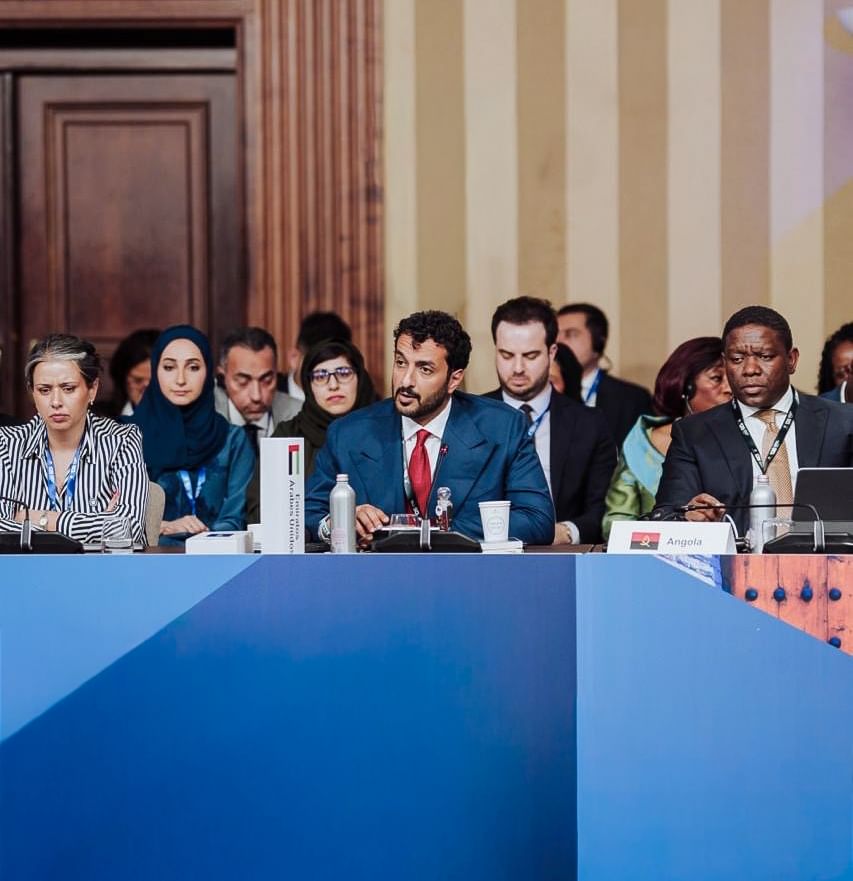
Regional condemnation intensified further during a meeting of the Gulf Cooperation Council (GCC) Ministerial Council held in Manama. The council strongly condemned the attacks, calling them a “blatant aggression” against state sovereignty, civilian safety and regional stability, as well as a clear violation of international law and the principles of the United Nations Charter.
In its statement, the GCC emphasised that such actions undermine trust, escalate tensions and hinder efforts to promote dialogue and cooperation in the region. It warned that continued aggression risks deepening divisions and isolating those responsible, while reiterating that security among GCC member states is indivisible.
The council affirmed that member states retain the right to respond individually and collectively to acts of aggression under Article 51 of the United Nations Charter, which guarantees the right to self-defence. It also called on the international community, including the United Nations Security Council, to take decisive action in condemning the attacks and holding perpetrators accountable.
The GCC further sought to reassure citizens and residents that regional defence systems are operating with a high degree of efficiency and readiness, successfully countering aerial threats. It stressed that such incidents would only strengthen unity and resolve among member states to safeguard regional stability.
While condemning the attacks, the council reiterated its commitment to diplomacy, good neighbourliness and peaceful conflict resolution. However, it cautioned that continued escalation would undermine prospects for dialogue and cooperation, posing broader risks to international navigation routes and energy security.