UN experts say the new Taliban decree could make it harder for women and girls to escape abusive relationships….reports Asian Lite News Desk
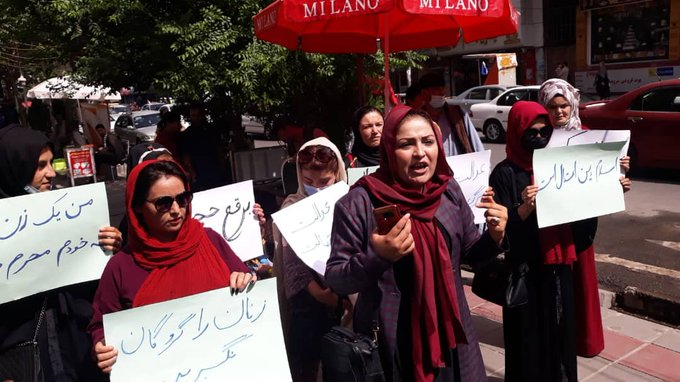
United Nations human rights experts have raised alarm over a new Taliban decree regulating the separation of spouses in Afghanistan, warning that the measure could legitimise child marriage and make it harder for women and girls to escape abusive relationships.
The experts said the decree, issued in April 2026 by Afghanistan’s de facto Ministry of Justice, exposes women and girls to greater risks of violence, exploitation and discrimination while potentially affecting members of the country’s Shia community and other religious minorities.
According to a report by the Office of the United Nations High Commissioner for Human Rights, several provisions in the decree appear to contradict an earlier Taliban order issued in December 2021 that required the consent of an adult woman for marriage.
UN experts noted that the earlier decree had been viewed as a positive step in addressing concerns surrounding underage marriage. However, they argued that the latest regulations appear to validate child marriage by allowing circumstances in which minors can be married and only seek separation after reaching puberty.
The report warned that such provisions fail to prevent child marriage from occurring in the first place and instead leave girls vulnerable to years of physical, psychological, sexual and economic harm before they are able to pursue legal remedies.
The experts also expressed concern that the decree strengthens the authority of guardians in marriage arrangements, increasing the risk of abuse and making it extremely difficult for girls to report domestic violence or challenge forced marriages.
In addition, they said the regulations create significant obstacles for women and girls seeking to leave abusive marriages or households, potentially preventing victims of violence from obtaining protection or legal separation.
The UN experts stressed that Afghanistan remains bound by several international human rights treaties, including the Convention on the Elimination of All Forms of Discrimination Against Women, the Convention against Torture, and the Convention on the Rights of the Child.
While acknowledging that marriage involves social, cultural, religious and legal considerations, the experts emphasised that authorities are obligated under international law to protect women and children from violence and discrimination and to safeguard their rights to dignity, equality and security.
They called on the Taliban authorities to reverse what they described as discriminatory provisions and to ensure that Afghan women and girls are protected from abuse and harmful practices.