UN experts say the measure legitimises child marriage and treats a girl’s silence as consent, violating international human rights law…reports Asian Lite News Desk
The United Nations Committee on the Rights of the Child has strongly condemned a new decree issued by Afghanistan’s de facto authorities that it says legitimises child marriage and allows a girl’s silence to be interpreted as consent to marriage.
The committee described the measure as a grave and systematic violation of international human rights law and called for its immediate repeal.
The criticism centres on Decree No. 18 (2026), which separates girls who have reached puberty and are married, a distinction that the committee said effectively legitimises marriage upon reaching puberty. The decree also provides that a girl’s silence after reaching puberty may be considered consent to marriage.
The committee said such provisions are incompatible with the UN Convention on the Rights of the Child, stressing that puberty cannot be used as a basis for adulthood or legal capacity to marry.
In a statement, the committee recalled its joint General Recommendation with the UN Committee on the Elimination of Discrimination against Women, which states that child marriage, where at least one party is under the age of 18, constitutes a harmful practice and a form of forced marriage because children cannot provide full, free and informed consent.
UN experts warned that child marriage exposes girls to heightened risks of violence, exploitation, early and forced pregnancy, interrupted education, and long term physical and psychological harm.
They said any legal framework that normalises or facilitates the marriage of children undermines their dignity, violates their rights and deprives them of autonomy and future opportunities.
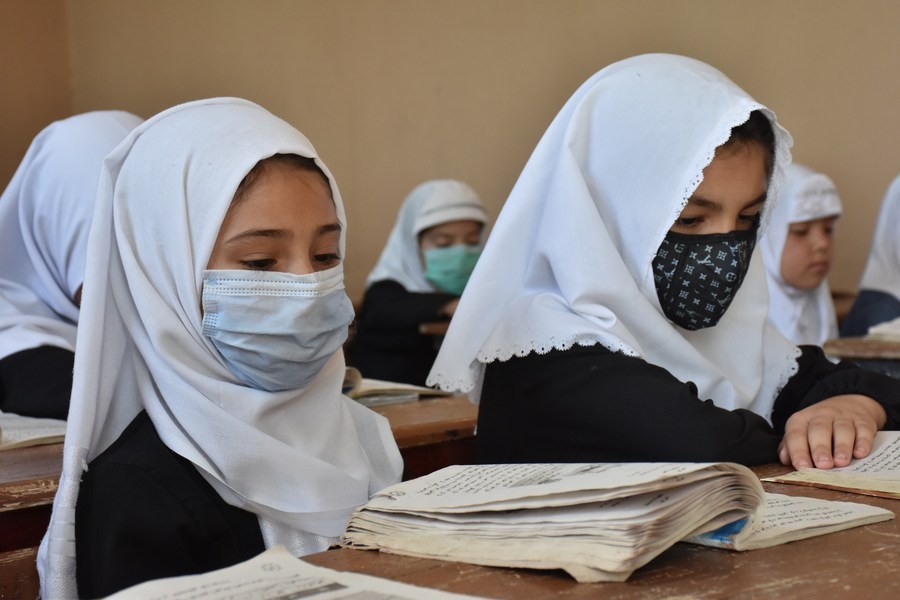
The committee, which is composed of 18 independent child rights experts, said the decree forms part of a broader pattern of discriminatory measures imposed by Afghanistan’s de facto authorities, including restrictions on girls’ access to secondary and higher education.
According to the experts, these policies have deprived millions of Afghan girls of their fundamental rights, weakened their future economic and social participation, and deepened poverty and inequality across the country.
The committee called on the Taliban authorities to immediately repeal all measures that violate children’s rights, unequivocally prohibit child marriage and restore girls’ access to education, protection, equality and full participation in society.
It said Afghanistan remains bound by its obligations under international human rights law, including the Convention on the Rights of the Child and its Optional Protocols.