Gor’s comments come days after some US officials blamed India for delays in finalising the deal, an allegation that New Delhi has rejected…reports Asian Lite News
India and the United States are continuing to engage actively on negotiations for a bilateral trade deal, the newly appointed US ambassador to India, Sergio Gor, has said during a visit to Delhi, according to the BBC.
Speaking to reporters, Gor said the next call to discuss the agreement was scheduled for Tuesday, though he did not specify who would take part. He also stressed that the relationship between US President Donald Trump and Indian Prime Minister Narendra Modi was genuine, adding that “real friends can disagree but will always resolve their differences at the end”.
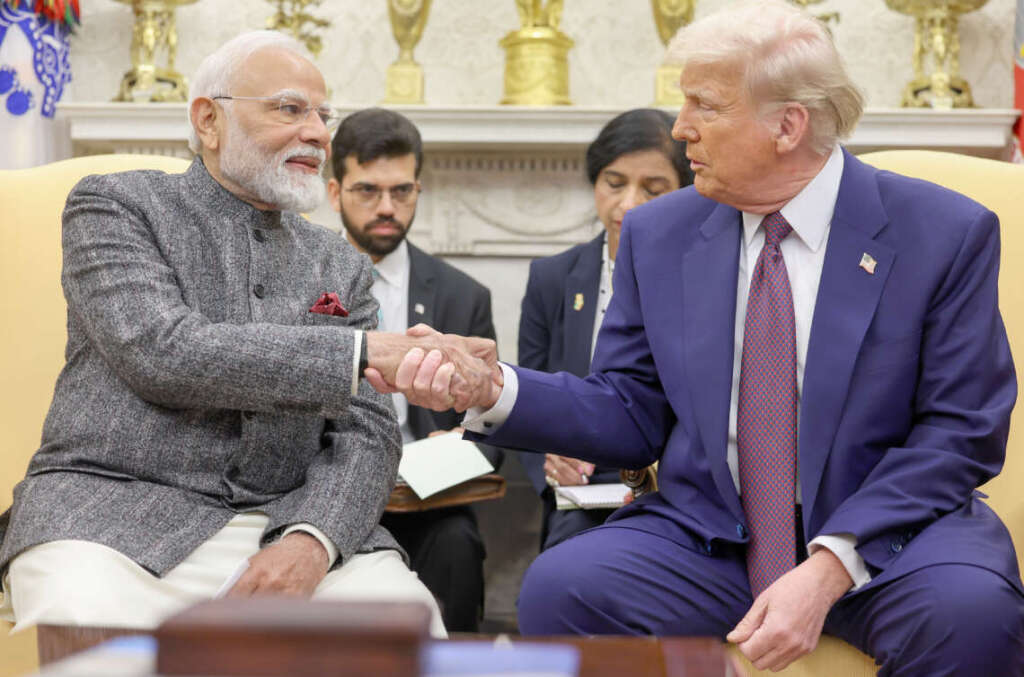
His comments come days after some US officials blamed India for delays in finalising the deal, an allegation that New Delhi has rejected.
Trade talks between the two countries have been under strain since Washington imposed 50% tariffs on Indian goods in August — the highest levied on any Asian country — including penalties linked to India’s purchases of Russian oil. The US has also been pressing for greater access to India’s agricultural market, a long-standing sticking point that India has consistently resisted.
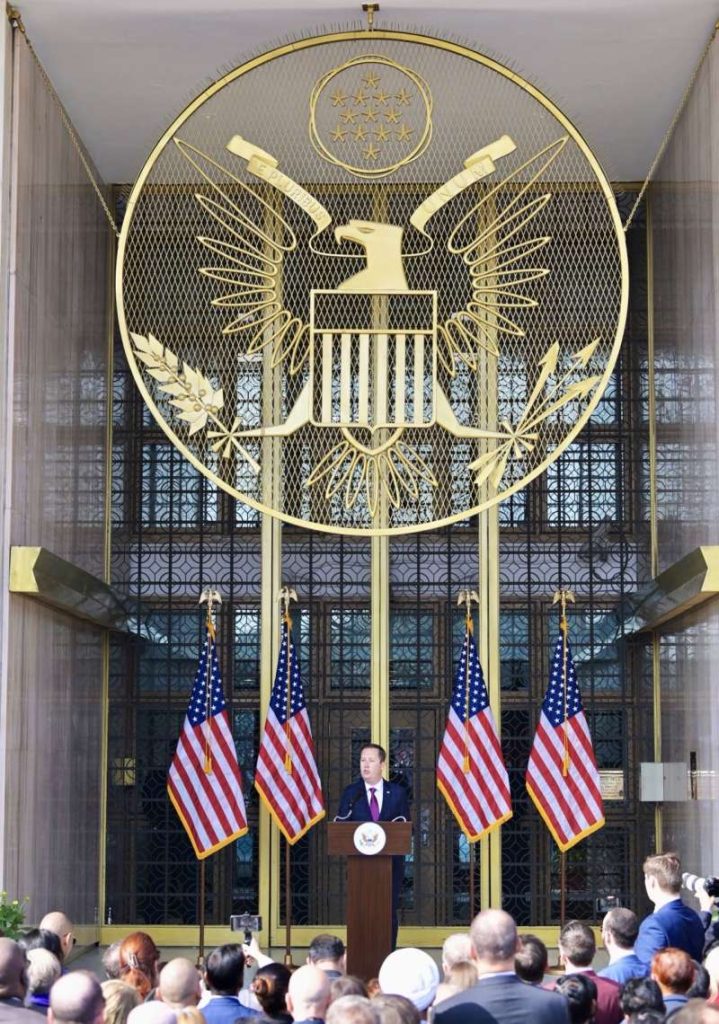
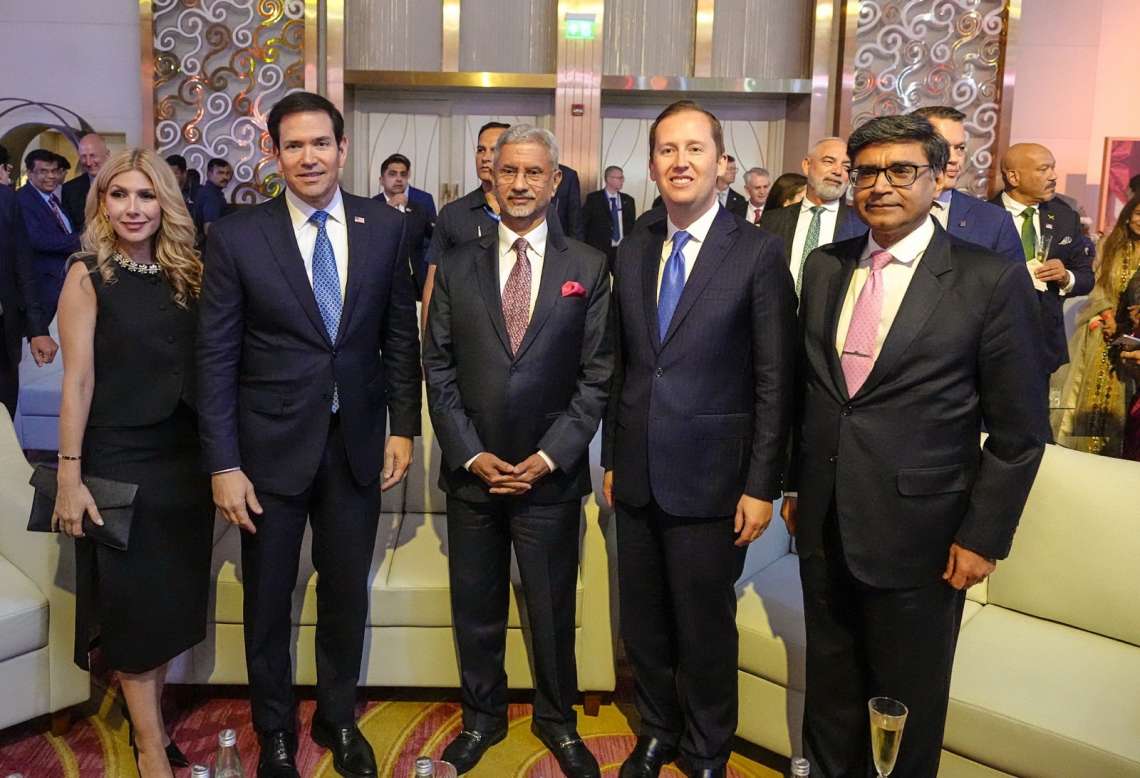
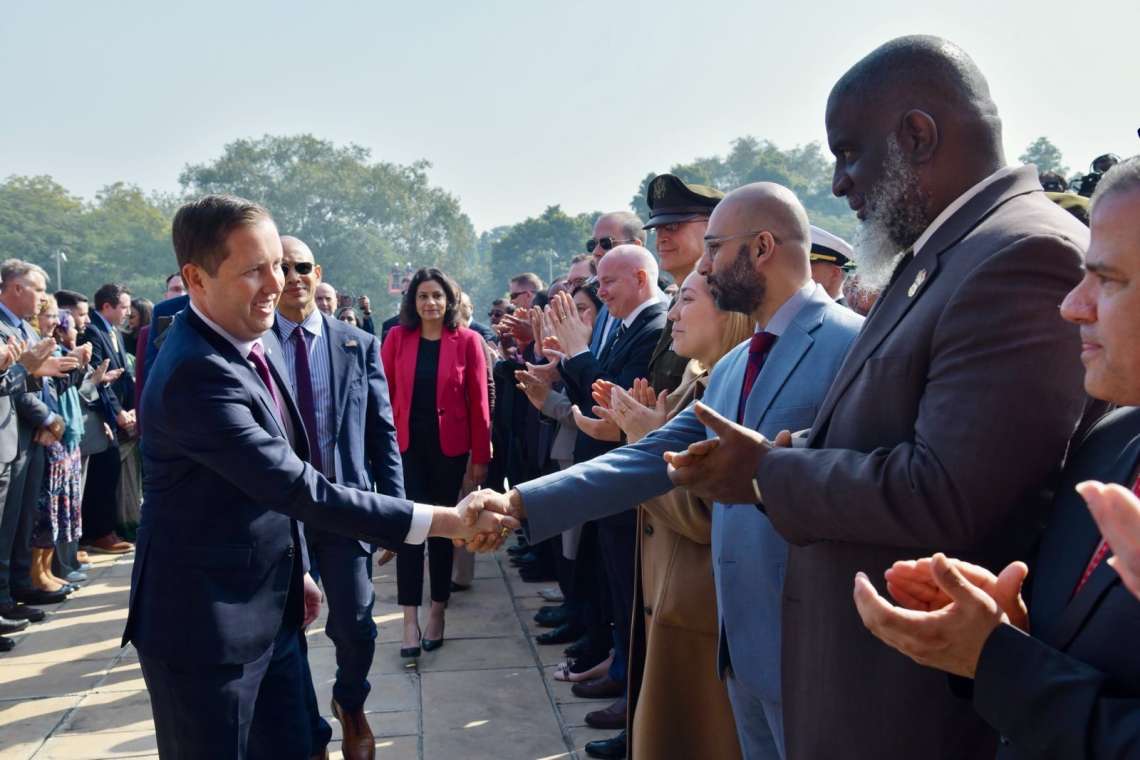
Gor, who was sworn in at the White House in November, has yet to formally present his credentials to India’s president. On Monday, however, he was officially welcomed as ambassador at an event in Delhi.
The ceremony had the feel of a mini-inauguration, complete with applause, careful stage management and a soundtrack of classic American songs personally selected by the ambassador, aides said.
Describing India as having “no partner more essential” than the United States, Gor said the bilateral relationship had the potential to become the “most consequential” partnership of the century. He added that while concluding a trade deal would not be easy, given India’s size and complexity, both sides were determined to push ahead and were also working closely in other areas including security, counterterrorism, energy, technology, education and health, the BBC reported.