Tully was made an Officer of the Order of the British Empire in 1985 and received the Padma Shri in 1992. He was knighted in 2002 and was awarded the Padma Bhushan in 2005. He was a British national and an Overseas Citizen of India…reports Asian Lite News
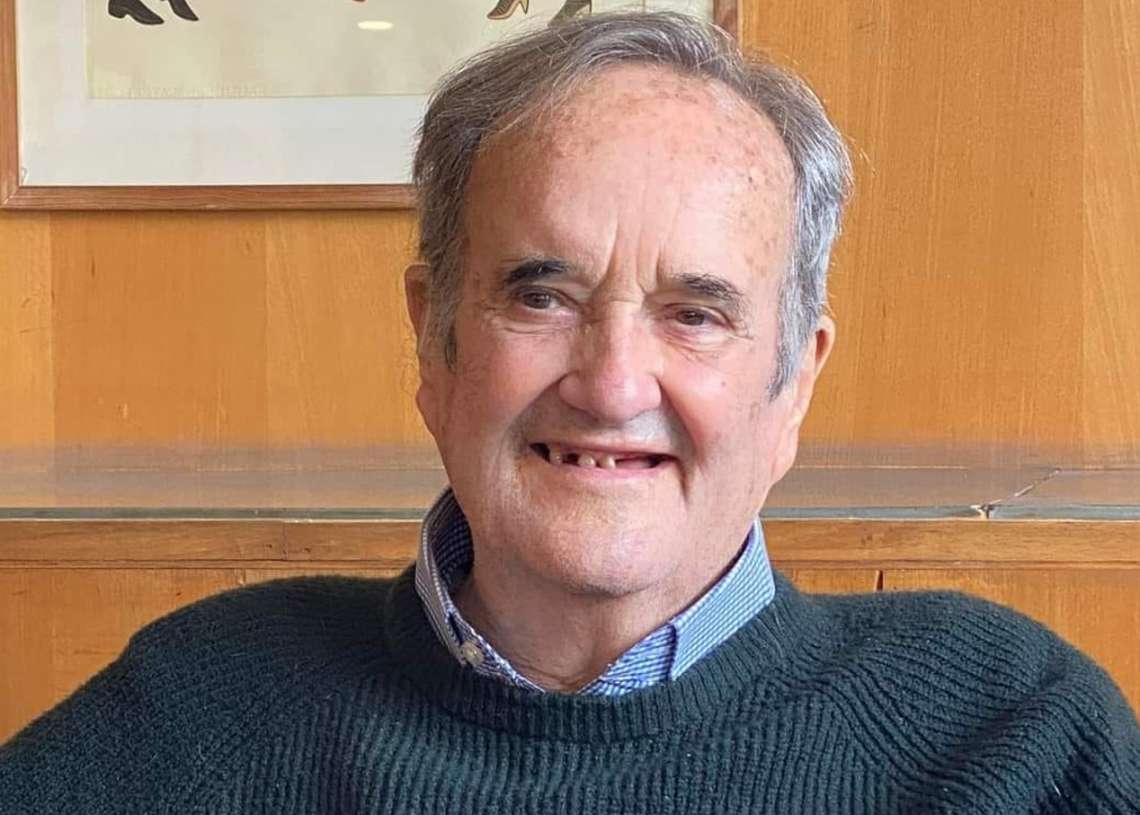
Veteran journalist Mark Tully, a chronicler of India and an acclaimed author, breathed his last at a private hospital in New Delhi on Sunday, his close friend said. He was 90. The award-winning journalist had been ailing for some time and had been admitted to the Max Hospital in Saket for the past week.
“He (Tully) was admitted to Max Hospital, Saket, on January 21, and died today. He (Tully) was admitted under the head of the nephrology department,” a hospital source said. Satish Jacob, veteran journalist and a close friend of Tully said, “Mark passed away at Max Hospital Saket this afternoon.” Born in Calcutta (now Kolkata) on October 24, 1935, Tully was the chief of bureau for the BBC, New Delhi, for 22 years. An acclaimed author, Tully was the presenter of the BBC Radio 4 programme ‘Something Understood’.
He was also part of several documentaries on subjects ranging from India and the British Raj to the Indian Railways. Tully was knighted in 2002 and received the Padma Bhushan from the government of India in 2005.
He wrote several books on India, including ‘No Full Stops in India’, ‘India in Slow Motion’, and ‘The Heart of India’.
Prime Minister Modi posted on X: “Saddened by the passing of Sir Mark Tully, a towering voice of journalism. His connect with India and the people of our nation was reflected in his works. His reporting and insights have left an enduring mark on public discourse. Condolences to his family, friends and many admirers.”
In a post on X, Union minister Hardeep Puri said: “For generations across our subcontinent, his calm and unmistakable voice was synonymous with news. As the BBC’s long-time correspondent and bureau chief in India, the Kolkata-born Tully reported on some of the most defining moments in the region’s history…. His reportage during the emergency was incisive, insightful and credible.”

Congress spokesperson Pawan Khera wrote: “Many like me grew up listening to his voice, reading his books. I ended up living in the very locality in which he lived for years and fell in love with.”
Tully’s obituary on the BBC website recalled the dangers he sometimes faced.
“In the small north Indian city of Ayodhya in 1992, he faced a moment of real peril. He witnessed a huge crowd of Hindu hardliners tear down an ancient mosque,” it said.
“Some of the mob — suspicious of the BBC — threatened him, chanting ‘Death to Mark Tully’. He was locked in a room for several hours before a local official and a Hindu priest came to his aid.”
His BBC obituary says: “He spent more than 20 years as the BBC’s head of bureau in Delhi, leading the reporting not simply of India but of South Asia, including the birth of Bangladesh, periods of military rule in Pakistan, the Tamil Tigers’ rebellion in Sri Lanka and the Soviet invasion of Afghanistan.
“Over time, he became increasingly out of step with the BBC’s corporate priorities, and in 1993 he made a much-publicised speech accusing the then director general, John Birt, of running the corporation by ‘fear’. It marked a parting of the ways.
“Sir Mark resigned from the BBC the following year. But he continued to broadcast on BBC airwaves notably as presenter of Radio 4’s Something Understood, turning back to issues of faith and spirituality which had engaged him as a student.” Tully had studied theology, but stopped short of being ordained as a clergyman.
At a Press Club of India event in 2017 that marked 25 years of the demolition of the Babri Masjid, Tully said: “Many said that it was the end of Indian secularism. In my experiences things go up and down in India…. Events of history up until Modi’s election indicated that I had been right…. I still fervently believe that Indian secularism will survive.”