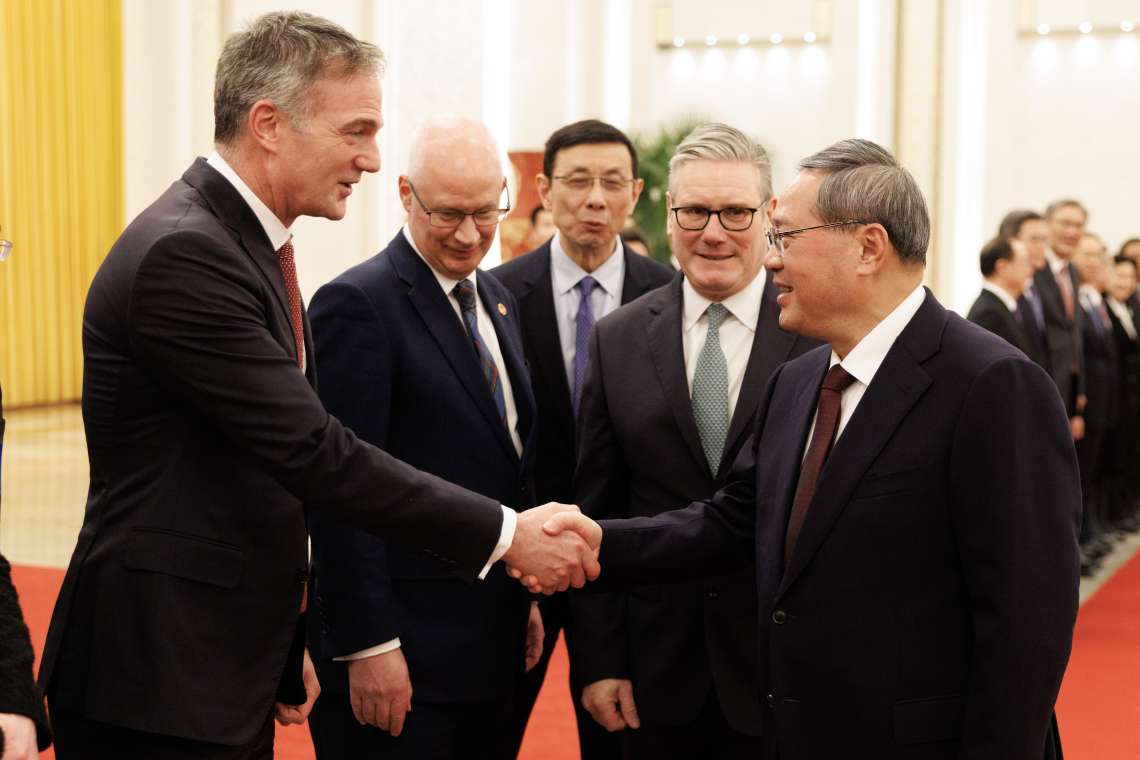
China is cutting tariffs on Scotch whisky marking a major win for UK trade diplomacy, promising hundreds of millions in exports and new momentum for Scotland’s iconic distilleries.…reports Asian Lite News
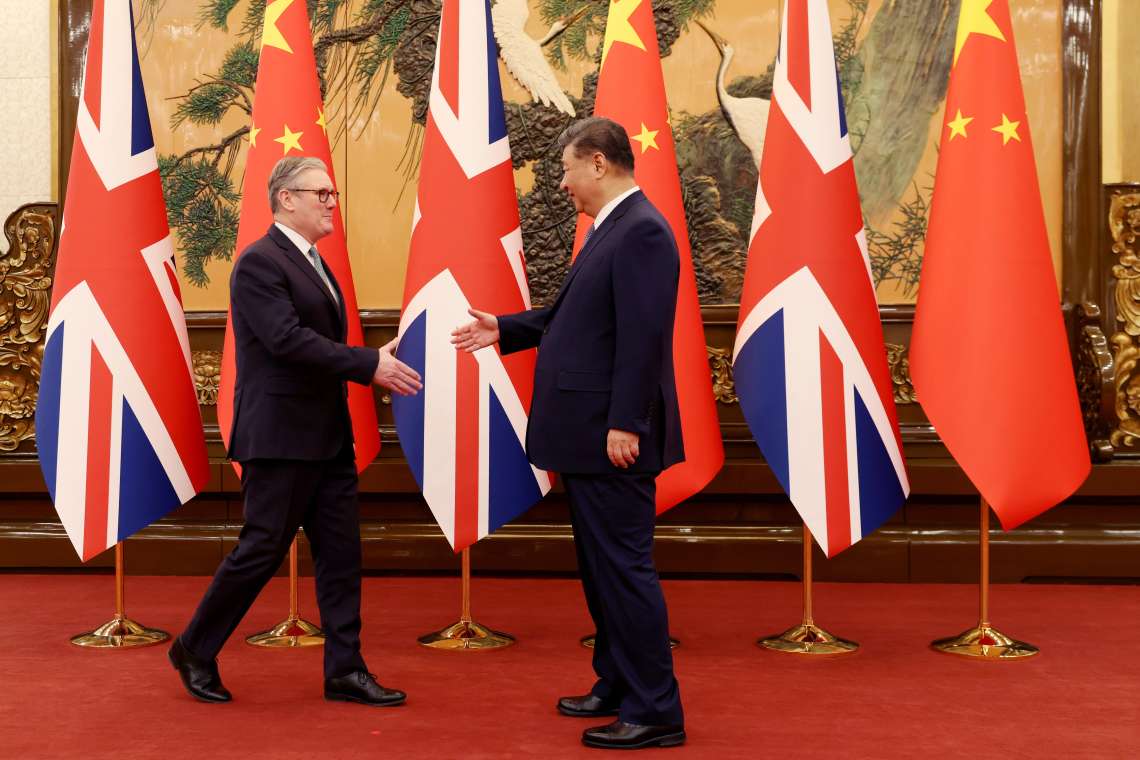
China will halve its tariffs on Scotch whisky from 10 per cent to 5 per cent following high-level talks between UK Prime Minister Sir Keir Starmer and Chinese President Xi Jinping, in a significant boost for Scotland’s flagship export and the wider British economy. The agreement, confirmed by the Prime Minister’s spokesperson on Thursday, is expected to generate an additional £250 million in export value for UK whisky producers over the next five years.
The move is being hailed as a major diplomatic and commercial breakthrough, giving Scottish distillers a stronger foothold in one of the world’s fastest-growing premium spirits markets. China is currently the tenth-largest market for Scotch whisky by value, but industry leaders believe the tariff cut could sharply accelerate demand as rising incomes and changing tastes drive consumption of high-end imported brands.
The announcement comes amid a renewed push by the UK government to reset and strengthen economic ties with key global partners. It also follows closely on the heels of the landmark UK-India trade agreement, which slashed Indian tariffs on Scotch and is projected to increase annual exports to India by up to £1 billion, delivering a £190 million annual boost to the Scottish economy. Together, the two deals underline the central role of whisky diplomacy in Britain’s post-Brexit trade strategy.

Sir Keir Starmer described Scotland’s distilleries as “the jewel in the crown” of the UK’s export economy, saying the China deal was proof that pragmatic and hard-headed engagement abroad delivers real benefits at home. He stressed that the government’s approach was focused on opening markets, supporting British businesses and protecting jobs, particularly in regions where exports are central to local economies.
Scottish Secretary Douglas Alexander echoed that message, calling the tariff cut another major win for Scotland’s world-renowned whisky industry. He said that from Delhi to Beijing, the government was actively opening doors for Scottish exporters and ensuring that global growth translated into higher incomes and job security for working people across the country. Having transformed the prospects for Scotch in India, he said, the government had now delivered again in China.
Industry leaders have long identified China as a priority growth market, especially as Chinese consumers have become more knowledgeable about Scotch and increasingly drawn to premium and aged varieties. Mark Kent, chief executive of the Scotch Whisky Association, said the proposed reduction could re-energise exports and unlock a new phase of growth. He praised the UK government and Chinese officials for their work on the agreement and said the industry looked forward to rapid implementation of the new tariff rate.
China’s importance to the UK economy extends well beyond whisky. It is the world’s second-largest economy and the UK’s third-largest trading partner, supporting an estimated 370,000 British jobs across sectors ranging from manufacturing to financial services. The Prime Minister’s visit to China was accompanied by a delegation of nearly 60 representatives from British business, sport and culture, reflecting the breadth of engagement the government is seeking to build.
For Scottish distillers, the timing could be crucial. Global spirits markets have faced pressure from inflation, shifting consumer habits and geopolitical uncertainty, making access to large, high-growth markets increasingly valuable. A lower tariff not only improves price competitiveness but also allows producers to invest more in marketing, distribution and long-term brand-building in China.
While the full impact will unfold over the coming years, the tariff reduction is already being seen as a clear signal that economic diplomacy is back at the heart of UK foreign policy.