Keir Starmer’s Beijing talks with Xi Jinping mark a turning point in UK-China ties, as Britain seeks growth, security cooperation and a pragmatic reset after years of strain….reports Asian Lite News
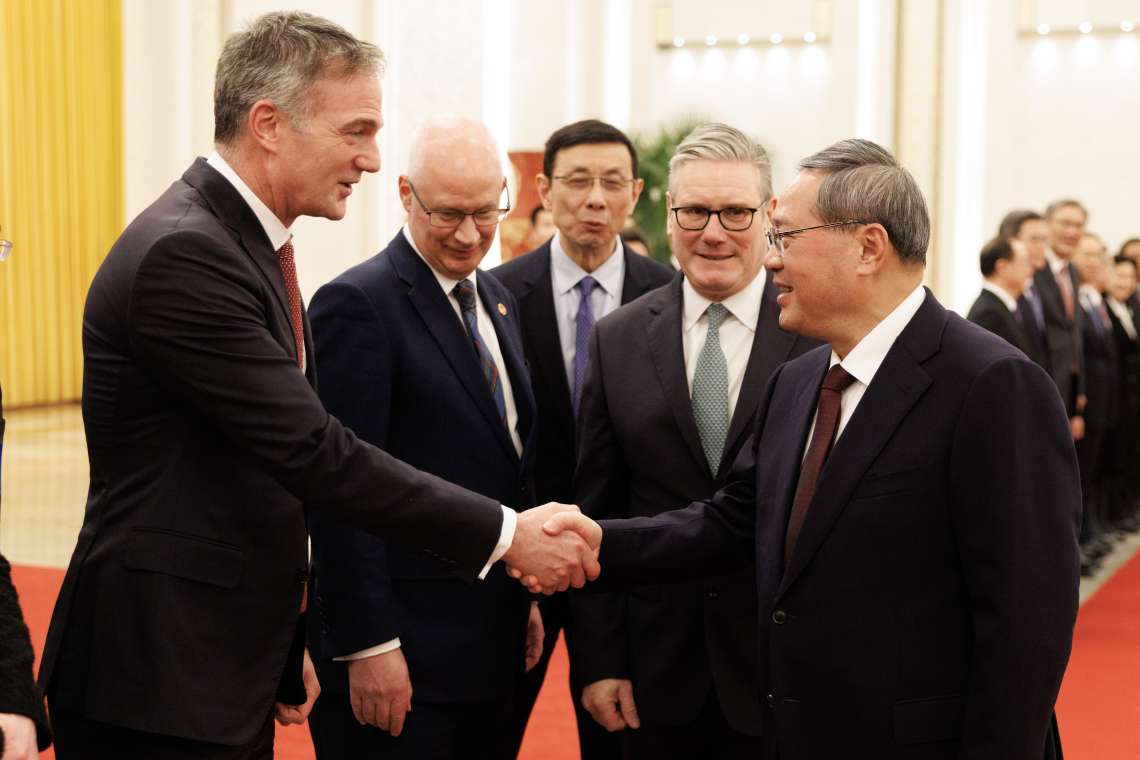
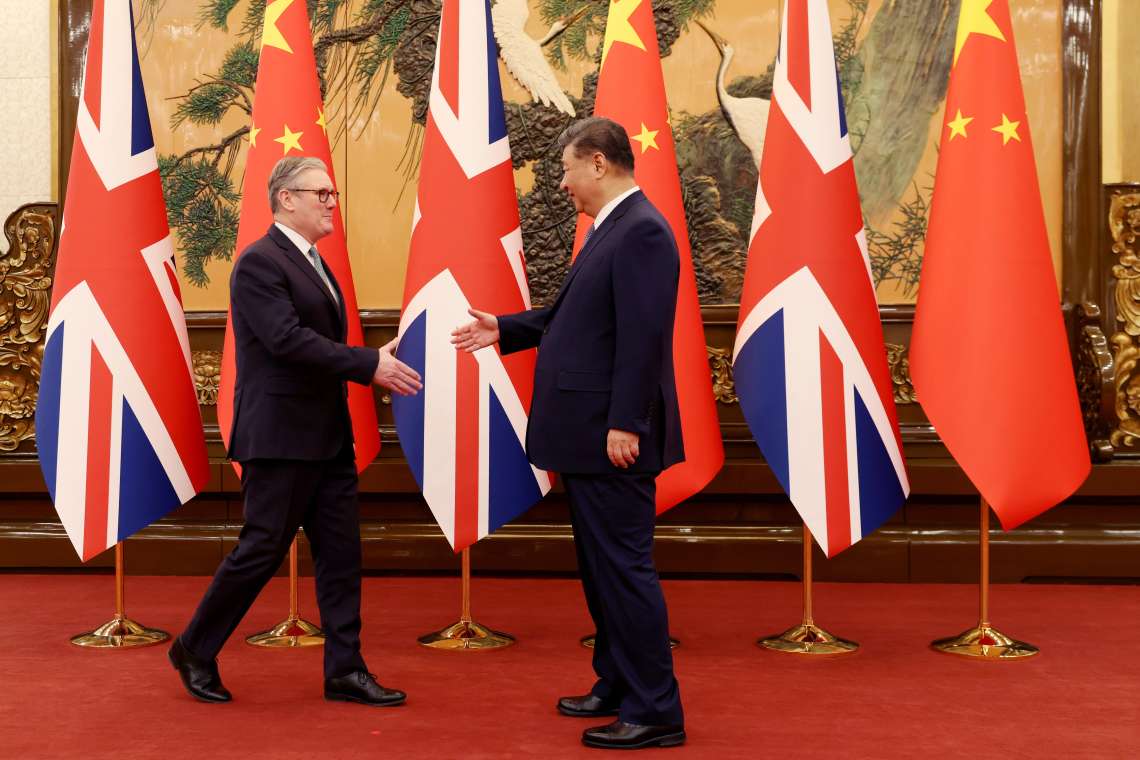
British Prime Minister Sir Keir Starmer has called for a “sophisticated relationship” with China, signalling a decisive shift in UK foreign policy as he seeks to rebuild ties with the world’s second-largest economy after years of tension and mistrust. The appeal came during high-level talks with Chinese President Xi Jinping in Beijing, marking the first visit by a British prime minister to China in eight years and a potential turning point in bilateral relations.
The meeting, held at the Great Hall of the People, was the centrepiece of Starmer’s four-day visit and ended with a working lunch between the two leaders. It comes at a moment when the UK government is under pressure to deliver economic growth at home, and when global alliances are being reshaped by uncertainty in the United States and shifting trade patterns across Asia and Europe.
Addressing President Xi at the start of their talks, Starmer said China was a “vital player on the global stage” and stressed the need for a more mature, pragmatic partnership. He said Britain wanted to identify areas for collaboration, particularly in trade and security, while also maintaining an open dialogue on issues where the two countries disagree, including human rights and national security.
President Xi responded by acknowledging that relations between the two nations had gone through “twists and turns” in recent years that served neither side’s interests. He said China was ready to work towards a long-term strategic partnership, signalling Beijing’s willingness to reset relations after a prolonged diplomatic chill.
The visit places the UK alongside a growing list of Western countries re-engaging with China as they hedge against unpredictability from Washington under President Donald Trump. Trump’s repeated threats of sweeping tariffs and his controversial remarks about Greenland have unsettled traditional allies, pushing governments to diversify economic and diplomatic relationships. Starmer’s trip follows closely on the heels of Canadian Prime Minister Mark Carney’s visit to Beijing, where Ottawa signed an economic agreement aimed at reducing trade barriers, a move that drew criticism from the White House.
Accompanied by more than 50 senior business leaders, Starmer’s delegation underlines the economic focus of the trip. Downing Street expects a series of commercial and cooperation agreements to be announced, designed to demonstrate tangible progress and renewed momentum in the relationship. Professor Kerry Brown of King’s College London said both sides were keen to frame the visit as a success, avoiding public confrontation in favour of visible deliverables.
Starmer has embraced a policy of renewed engagement with China after relations deteriorated under previous Conservative governments, which restricted some Chinese investment on national security grounds and voiced strong concerns over Hong Kong. He told President Xi that he had promised to make Britain “face outwards again” after Labour’s election victory, reflecting a broader push to reconnect with global markets.
The shift has not been without controversy. Opposition leader Kemi Badenoch said she would not have travelled to China, citing security risks. British intelligence agencies have repeatedly warned that China engages in espionage against the UK government, claims Beijing strongly denies.
Despite these tensions, the visit has also highlighted areas of practical cooperation. Downing Street confirmed that Britain and China would work together to disrupt gangs trafficking illegal migrants into Europe. The joint effort will focus on curbing the use of Chinese-made engines in small boats used for Channel crossings, with officials sharing intelligence and working with manufacturers to prevent criminal exploitation of legitimate supply chains.
Human rights remain a sensitive backdrop to the talks. Starmer said he would raise concerns directly with President Xi, including the case of Jimmy Lai, the British citizen and Hong Kong media tycoon convicted of national security offences in December. However, the tone of the visit suggests a careful balancing act between principle and pragmatism.
Symbolism has also played its part. Shortly after arriving in Beijing, Starmer addressed business leaders, calling for a “mature” relationship with China, before dining at a well-known restaurant frequented by foreign dignitaries. A video shared on Chinese social media showed him discussing the pronunciation of “xie xie” with staff, a small but deliberate gesture of warmth in a relationship long defined by frost.