Former Ealing Southall MP Virendra Sharma urges British Hindus to preserve their heritage, engage fully in society and promote harmony across faith communities, reports Asian Lite News Desk
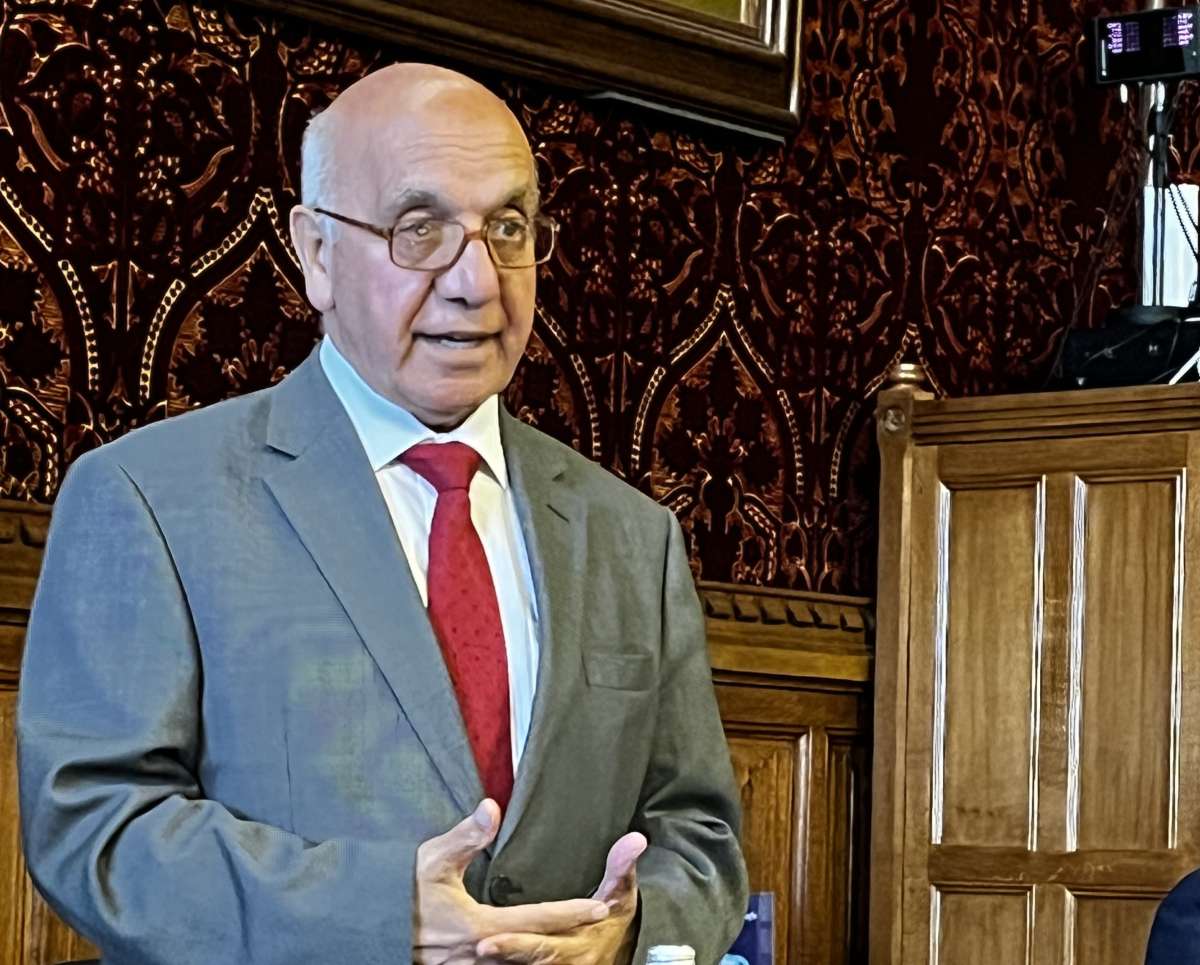
Former Ealing Southall MP Virendra Sharma has urged British Hindus to celebrate their religious and cultural heritage while taking a full and active part in British society, saying there is no conflict between maintaining a strong Hindu identity and being proudly British.
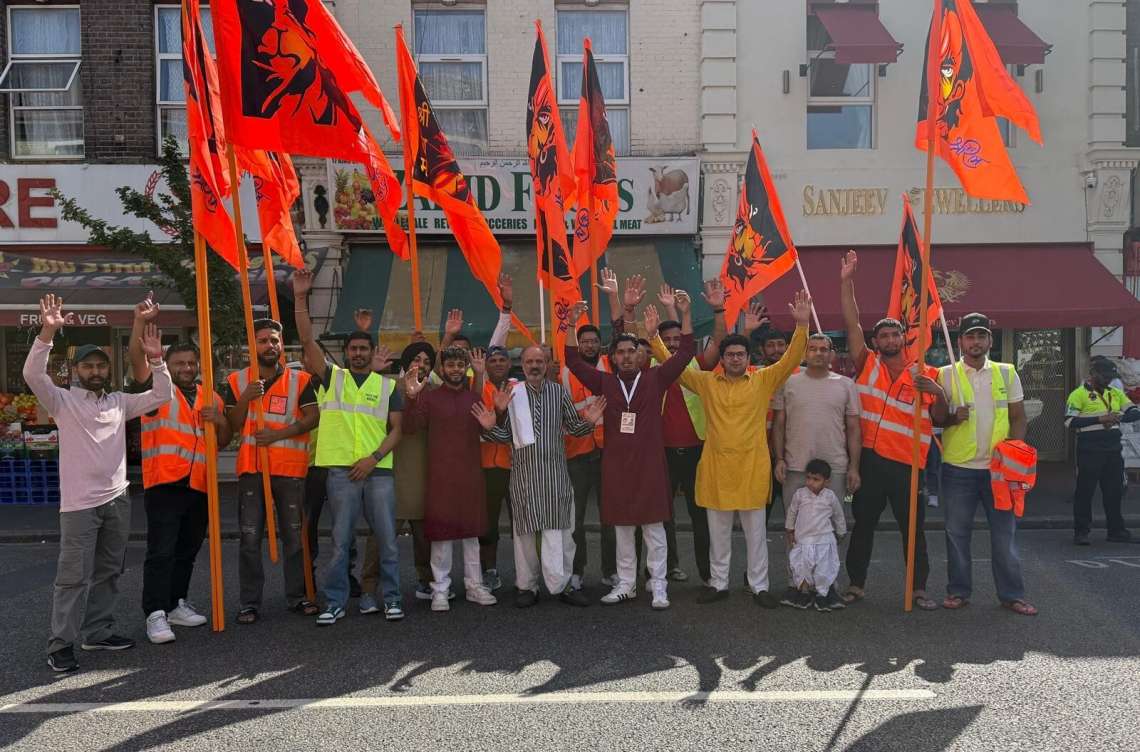
Sharma made the comments ahead of the Shobha Yatra organised by Ram Mandir Southall in conjunction with members of the local Hindu community. He described the procession as more than a religious or cultural event, saying it represented an opportunity to celebrate faith, heritage, community and belonging while promoting friendship and harmony.

Sharma, who served five consecutive terms as the Member of Parliament for Ealing Southall after a long career in local and national public life, said Britain’s diversity should be regarded as a strength.
“My own approach throughout my public life has been firmly secular: to respect every faith, every community and every individual equally, while recognising the importance of religious and cultural identity in people’s lives,” he said.
He said the Shobha Yatra could provide an opportunity to showcase the traditions of Sanatan Dharma in an open and inclusive way, arguing that cultural celebrations should bring communities together rather than create divisions.
According to Sharma, maintaining a religious or cultural identity does not prevent people from developing a shared civic identity.
“There is no contradiction between being proudly Hindu and being proudly British,” he said.
He pointed to the history of the Hindu community in Britain, highlighting the contribution made by generations of Hindus across business, healthcare, education, academia, public service, charities and voluntary organisations.
Sharma said the contribution of British Hindus could be seen across institutions including the NHS, universities, schools, businesses and community organisations.
He also stressed the importance of ensuring that younger generations understand their heritage.
For young British Hindus, he said, learning about Sanatan Dharma should extend beyond festivals, rituals and religious stories to include values such as compassion, duty, respect, tolerance, service, truth and family responsibility.
He argued that such principles could complement the values of a modern democratic society.
“Heritage should be a source of confidence, not isolation,” Sharma said.
He encouraged parents and grandparents to use cultural and religious events to introduce younger generations to their traditions while also encouraging young people to engage with the wider society around them.

Sharma said his own involvement with the Hindu community during his years in Parliament was based on his wider belief that all faith communities should be heard and treated fairly.
During his parliamentary career, he worked with Hindu organisations, temples, community groups and individuals and supported engagement through the All-Party Parliamentary Group on Hindus.
He said parliamentary engagement provided an important forum for raising issues affecting Hindu communities, religious freedom and international concerns.
Sharma also stressed that his support for Hindu community issues should not be interpreted as favouring one faith over another.
“The protection of religious minorities must never depend upon which religion they follow or where they live,” he said.
He called for the celebration of Sanatan Dharma to be accompanied by respect for Britain’s other religious and non-religious communities.
Britain is home to people from a wide range of faiths, including Christians, Hindus, Muslims, Sikhs, Jews, Buddhists and Jains, as well as people who follow no religion.
“Faith should be a force for bringing people together rather than creating division,” Sharma said.
He singled out Southall as an important example of Britain’s multicultural character, where people from different religious and cultural backgrounds live, work and contribute alongside one another.
Sharma also argued that the values associated with Sanatan Dharma could be shared with wider British society without expecting others to adopt them.
He said everyday acts of service could provide one of the strongest demonstrations of a community’s values, pointing to Hindu families volunteering, supporting charities, helping elderly people, contributing to the NHS, establishing businesses and supporting people in need.
Alongside cultural pride, Sharma said communities also had responsibilities as citizens.
He highlighted democracy, the rule of law, equality, freedom of speech, respect for others and the dignity of every individual as important principles of British civic life.
He urged young people from the Hindu community to become more involved in local government, Parliament, business, education, charities and voluntary organisations.
“Participation is the key to influence,” Sharma said.
He said greater participation would allow communities to ensure their concerns were understood while also enabling younger generations to contribute to the wider country.
Sharma said the Shobha Yatra should therefore be viewed not simply as a celebration of the past, but also as an opportunity to think about the future.
He urged families to pass their traditions, languages and values to younger generations while encouraging them to build relationships beyond their own community.
His message was that cultural confidence and integration should go together.
“Keep your identity. Celebrate your heritage. Teach the next generation. But participate fully in British society,” he said.
Sharma said such an approach could ensure that Britain’s diversity remained a source of strength rather than division.
He described the Shobha Yatra as an opportunity for the Hindu community to celebrate its faith and heritage while demonstrating its commitment to friendship, fellowship and harmony with people of all backgrounds.
As Southall prepares to host the celebration, Sharma’s message centres on a balance between preserving cultural identity and embracing wider civic responsibilities, with the former MP arguing that the two can strengthen rather than undermine one another.
He said the ultimate goal should be to build a Britain in which communities can celebrate what makes them different while recognising their shared responsibilities and common humanity.