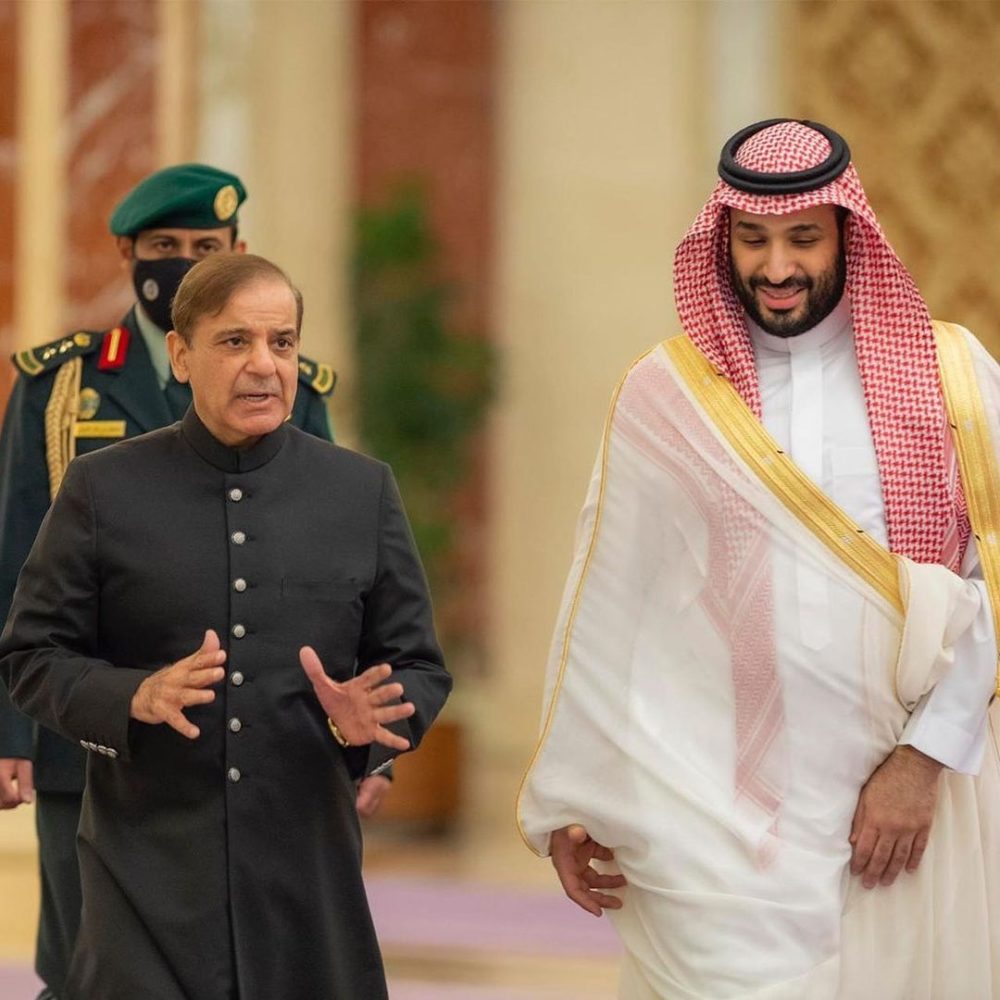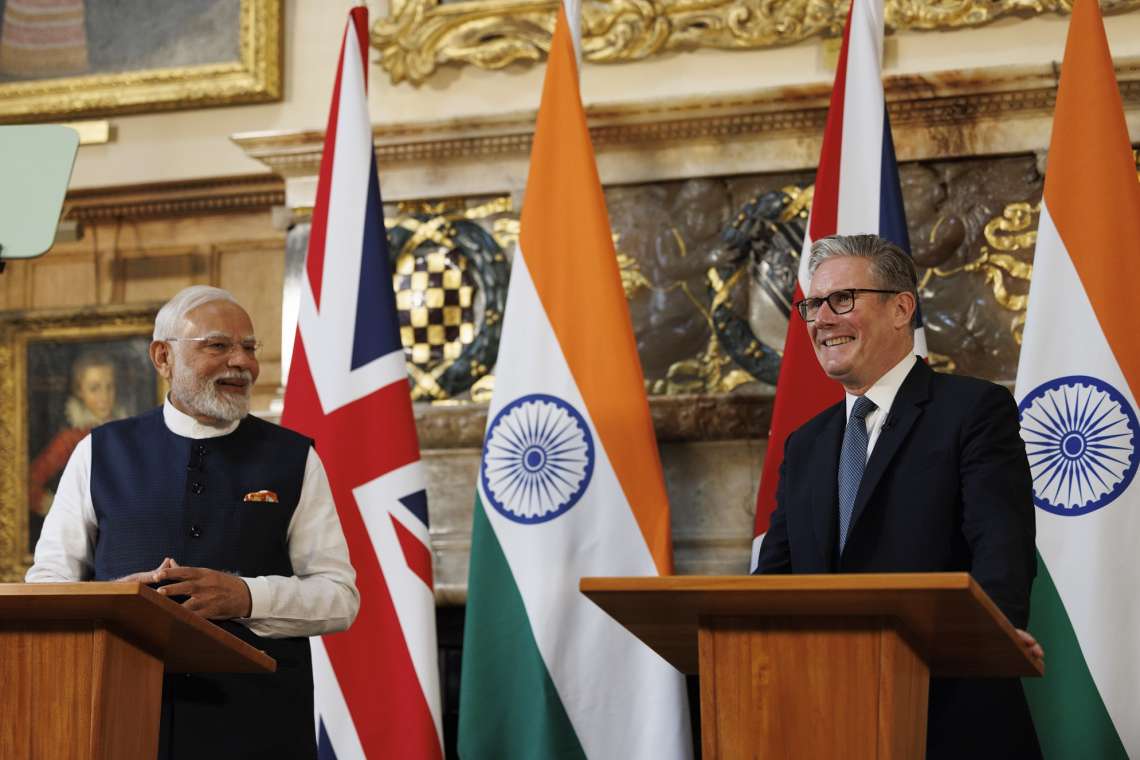

The India–UK Free Trade Agreement stands as a defining milestone—an economic pact, a reaffirmation of democratic partnership, and a global statement of shared purpose … writes Virendra Sharma, former MP for Ealing Southall
Each 15 August, India unfurls its tricolour and the nation pulses with pride. From the Red Fort’s morning breeze to echoing renditions of Jana Gana Mana, Independence Day is more than a symbolic ritual—it is a reaffirmation of resilience, unity, and the entrepreneurial spirit.
As we mark this day in 2025, this year’s celebrations are charged with amplified significance. India not only honours the memory of 1947—it also stands poised on the cusp of a transformative global partnership, especially with the United Kingdom. A recently inked trade accord promises to reshape economic trajectories and deepen bilateral bonds. It arrives at a moment when India’s global role—expressed through sustainable development and geopolitical engagement—is ascending dramatically.
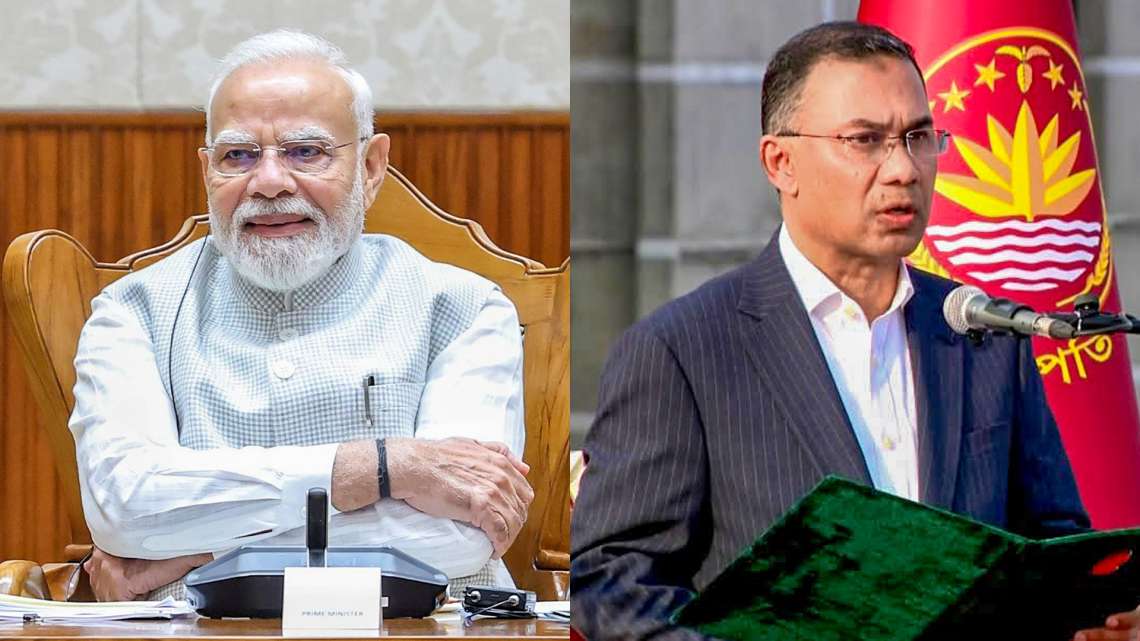
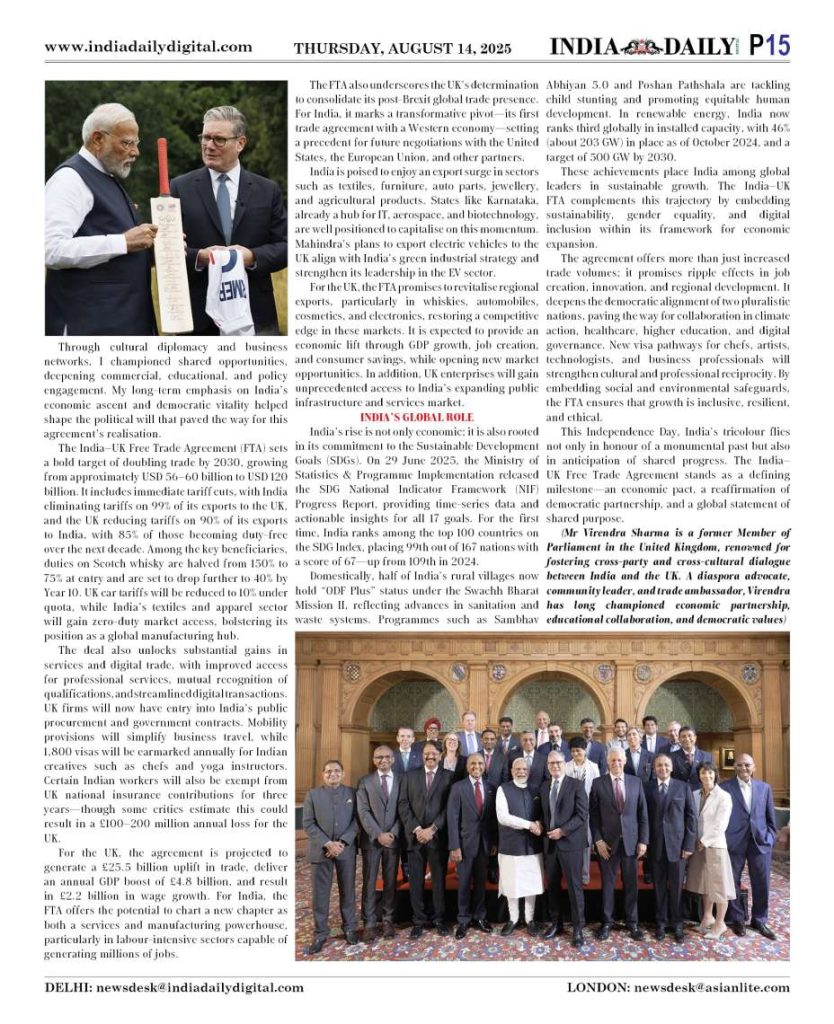
On 6 May 2025, after three years of drafting, the India–UK Comprehensive Economic and Trade Agreement (CETA)—India’s first major FTA outside Asia—was finalized. The formal signing took place on 24 July 2025 during Prime Minister Narendra Modi’s London visit.
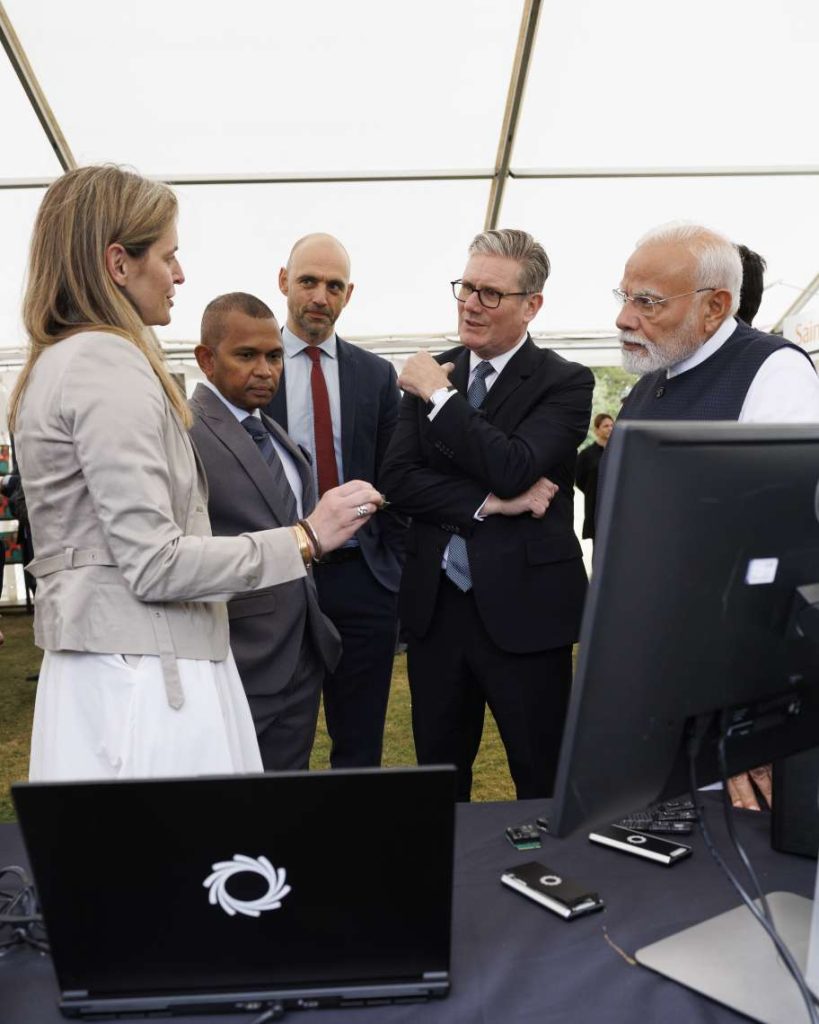
As a former British MP, I played a pivotal role in weaving connections between democratic institutions and diaspora communities—laying the groundwork for this landmark accord. My political advocacy in Parliament and role in intergovernmental dialogues helped sustain momentum in UK–India relations through challenging political times. By supporting institutions such as the UK–India Business Council and the Joint Economic and Trade Committee, I tried my best to strengthen dialogue and trust between the two nations.
Through cultural diplomacy and business networks, I championed shared opportunities, deepening commercial, educational, and policy engagement. My long-term emphasis on India’s economic ascent and democratic vitality helped shape the political will that paved the way for this agreement’s realisation.
The India–UK Free Trade Agreement (FTA) sets a bold target of doubling trade by 2030, growing from approximately USD 56–60 billion to USD 120 billion. It includes immediate tariff cuts, with India eliminating tariffs on 99% of its exports to the UK, and the UK reducing tariffs on 90% of its exports to India, with 85% of those becoming duty-free over the next decade. Among the key beneficiaries, duties on Scotch whisky are halved from 150% to 75% at entry and are set to drop further to 40% by Year 10. UK car tariffs will be reduced to 10% under quota, while India’s textiles and apparel sector will gain zero-duty market access, bolstering its position as a global manufacturing hub.
The deal also unlocks substantial gains in services and digital trade, with improved access for professional services, mutual recognition of qualifications, and streamlined digital transactions. UK firms will now have entry into India’s public procurement and government contracts. Mobility provisions will simplify business travel, while 1,800 visas will be earmarked annually for Indian creatives such as chefs and yoga instructors. Certain Indian workers will also be exempt from UK national insurance contributions for three years—though some critics estimate this could result in a £100–200 million annual loss for the UK.
For the UK, the agreement is projected to generate a £25.5 billion uplift in trade, deliver an annual GDP boost of £4.8 billion, and result in £2.2 billion in wage growth. For India, the FTA offers the potential to chart a new chapter as both a services and manufacturing powerhouse, particularly in labour-intensive sectors capable of generating millions of jobs.
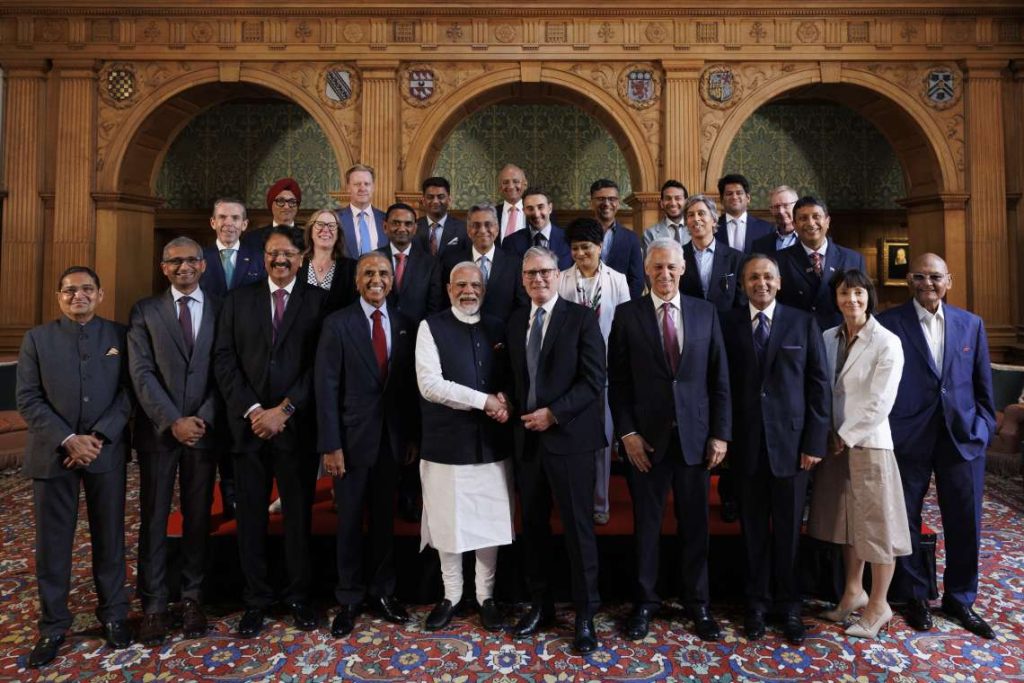
The FTA also underscores the UK’s determination to consolidate its post-Brexit global trade presence. For India, it marks a transformative pivot—its first trade agreement with a Western economy—setting a precedent for future negotiations with the United States, the European Union, and other partners.
India is poised to enjoy an export surge in sectors such as textiles, furniture, auto parts, jewellery, and agricultural products. States like Karnataka, already a hub for IT, aerospace, and biotechnology, are well positioned to capitalise on this momentum. Mahindra’s plans to export electric vehicles to the UK align with India’s green industrial strategy and strengthen its leadership in the EV sector.
For the UK, the FTA promises to revitalise regional exports, particularly in whiskies, automobiles, cosmetics, and electronics, restoring a competitive edge in these markets. It is expected to provide an economic lift through GDP growth, job creation, and consumer savings, while opening new market opportunities. In addition, UK enterprises will gain unprecedented access to India’s expanding public infrastructure and services market.
India’s Global Role
India’s rise is not only economic; it is also rooted in its commitment to the Sustainable Development Goals (SDGs). On 29 June 2025, the Ministry of Statistics & Programme Implementation released the SDG National Indicator Framework (NIF) Progress Report, providing time-series data and actionable insights for all 17 goals. For the first time, India ranks among the top 100 countries on the SDG Index, placing 99th out of 167 nations with a score of 67—up from 109th in 2024.
Domestically, half of India’s rural villages now hold “ODF Plus” status under the Swachh Bharat Mission II, reflecting advances in sanitation and waste systems. Programmes such as Sambhav Abhiyan 5.0 and Poshan Pathshala are tackling child stunting and promoting equitable human development. In renewable energy, India now ranks third globally in installed capacity, with 46% (about 203 GW) in place as of October 2024, and a target of 500 GW by 2030.
These achievements place India among global leaders in sustainable growth. The India–UK FTA complements this trajectory by embedding sustainability, gender equality, and digital inclusion within its framework for economic expansion.
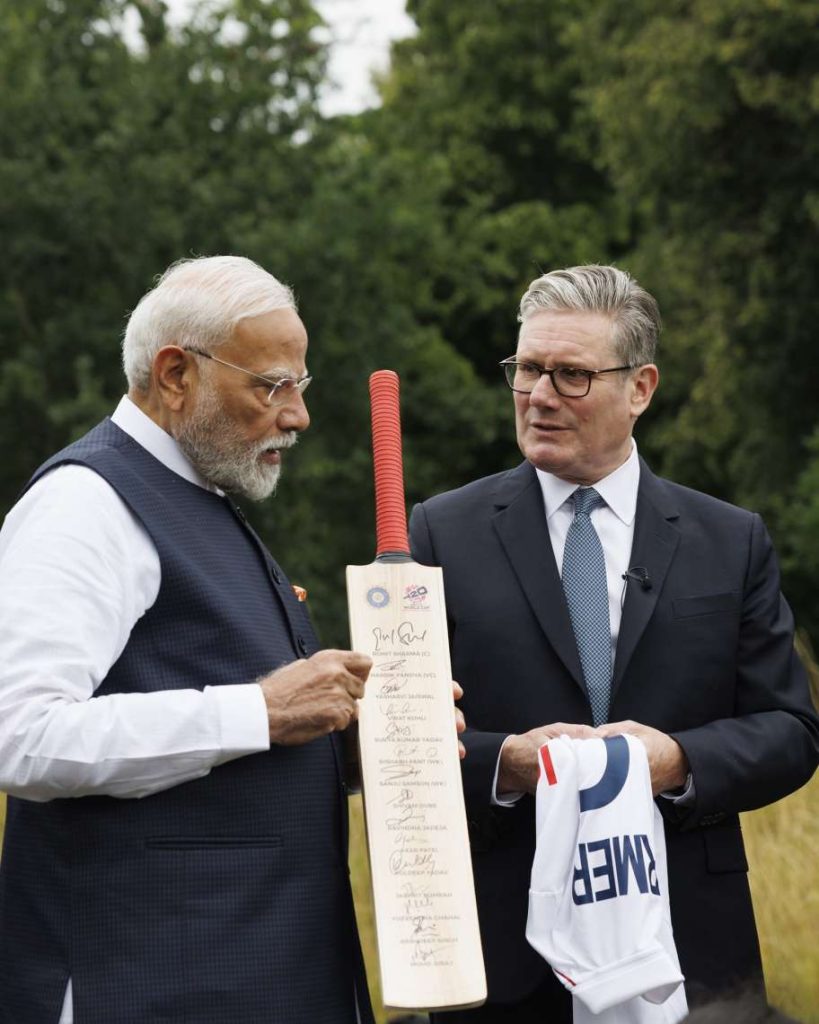
The agreement offers more than just increased trade volumes; it promises ripple effects in job creation, innovation, and regional development. It deepens the democratic alignment of two pluralistic nations, paving the way for collaboration in climate action, healthcare, higher education, and digital governance. New visa pathways for chefs, artists, technologists, and business professionals will strengthen cultural and professional reciprocity. By embedding social and environmental safeguards, the FTA ensures that growth is inclusive, resilient, and ethical.
This Independence Day, India’s tricolour flies not only in honour of a monumental past but also in anticipation of shared progress. The India–UK Free Trade Agreement stands as a defining milestone—an economic pact, a reaffirmation of democratic partnership, and a global statement of shared purpose.
( Mr Virendra Sharma is a former Member of Parliament in the United Kingdom, renowned for fostering cross-party and cross-cultural dialogue between India and the UK. A diaspora advocate, community leader, and trade ambassador, Virendra has long championed economic partnership, educational collaboration, and democratic values)