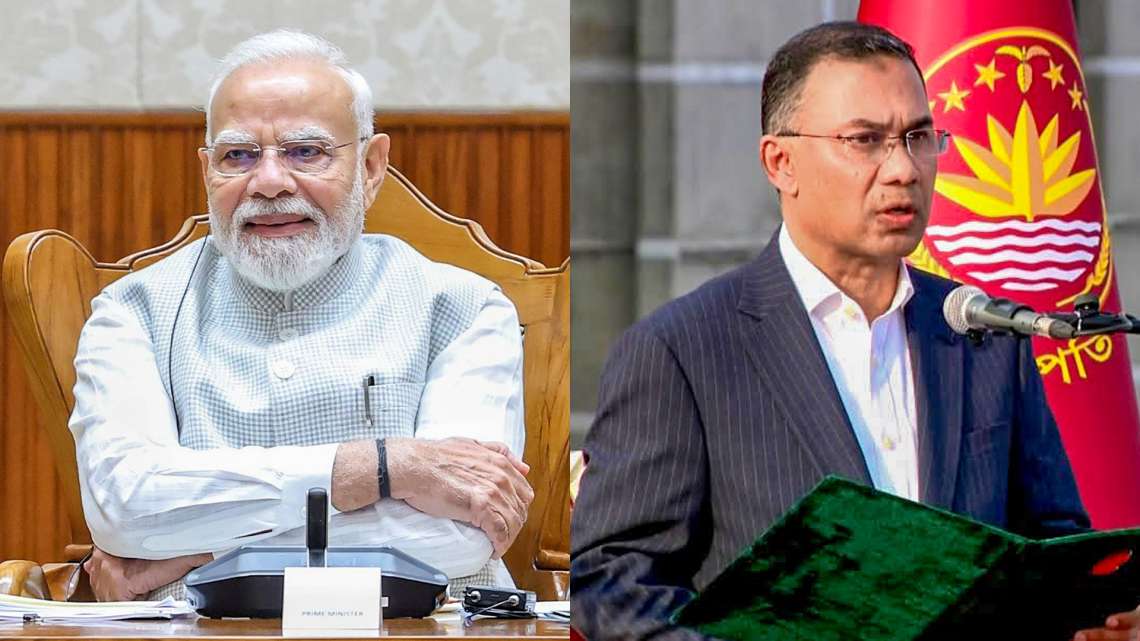
Arrested in 2007 on corruption charges, Rahman spent 18 months in jail before entering long exile in London, from where he led the BNP through its most difficult period.
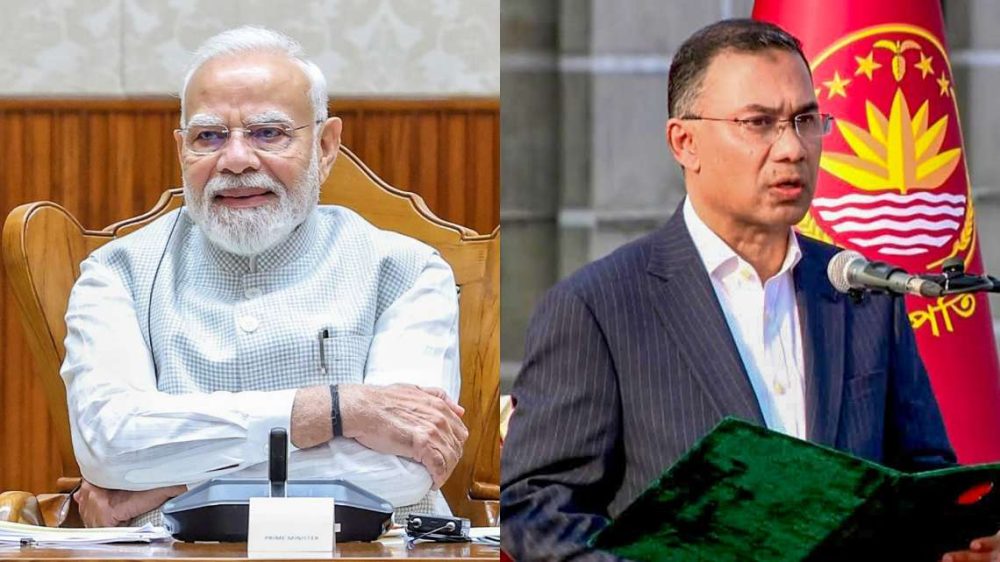
Just two months after returning from 17 years in exile in London, Tarique Rahman on Tuesday took oath as the 11th Prime Minister of Bangladesh following a sweeping electoral victory for the Bangladesh Nationalist Party (BNP).
President Mohammed Shahabuddin administered the oath at the South Plaza of the Jatiya Sangsad in Dhaka. Family members, senior political leaders, service chiefs and foreign dignitaries attended the ceremony, marking a dramatic political comeback for the BNP chief.
The BNP Parliamentary Party earlier unanimously elected Rahman as Leader of the House after the party secured a commanding mandate in the 13th parliamentary election held on February 12.
Out of 297 declared seats, the BNP won 209, comfortably crossing the two-thirds majority mark and returning to power after nearly two decades. Bangladesh Jamaat-e-Islami secured 68 seats, while smaller parties and independents shared the remainder. Two seats remain suspended and one was cancelled.

Rahman’s rise caps a turbulent political journey. Arrested in 2007 during an army-backed caretaker government on corruption charges, he spent around 18 months in detention before obtaining bail and travelling to London for medical treatment. There, he began a long exile, steering party affairs from abroad as the BNP struggled through what leaders described as its most difficult period.
During those years, senior party figures faced arrests and legal battles, and former prime minister Khaleda Zia, Rahman’s mother, was imprisoned in corruption cases. From London, Rahman remained politically active, eventually becoming acting chairman and later chairman of the party.
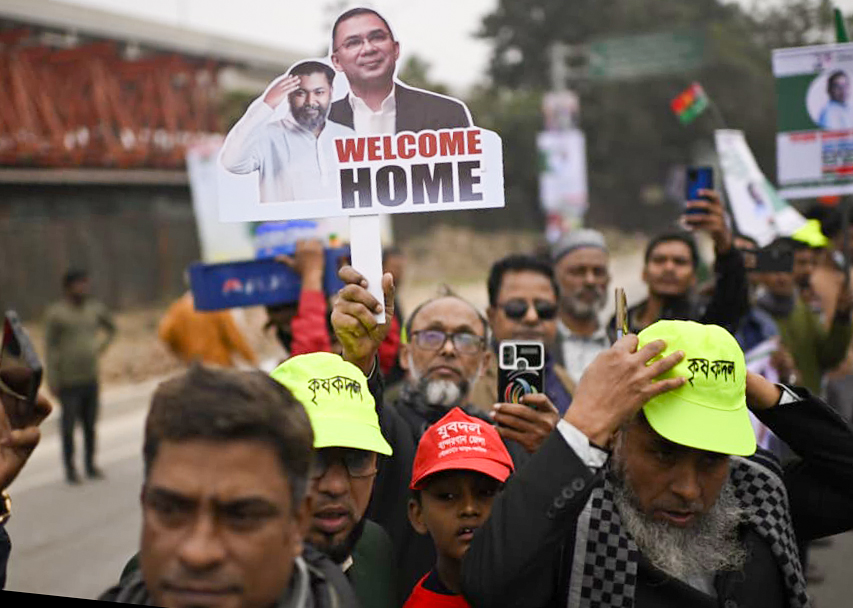
He returned to Bangladesh on December 25, 2025, to a massive reception by supporters. Days later, he lost his mother, formally assuming full party leadership in January before launching a nationwide campaign built around reform, anti-corruption pledges and governance stability.
Rahman, son of former president Ziaur Rahman and former prime minister Khaleda Zia, now leads the government as the latest member of a family that has shaped Bangladesh’s politics for decades. His administration has pledged to prioritise law and order, institutional reform and economic stability, signalling what supporters describe as a new chapter following years of political confrontation.
Meanwhile, Tarique Rahman has outlined his government’s 180-day priority plan. In this plan, he has focused on four key areas. First, he aims to improve the law and order situation. Second, he plans to control the prices of essential goods. Third, he has emphasized ensuring uninterrupted electricity and gas supplies, as well as reducing the cost of living. Fourth, he stated that public transport, especially the railway system, must be improved for better connectivity. In addition, he strongly directed efforts toward fighting corruption.
Rahman, who was sworn in as the country’s Prime Minister on Tuesday, has instructed each ministry to create and implement its own plan within these 180 days. Typically, when a new government takes office in Bangladesh, a 100-day priority package is announced. However, Rahman has extended it to 180 days, making this a longer honeymoon period, which was usually 100 days.
“Restoring peace and security in the minds of the public by eliminating crime and strictly controlling corruption is the primary focus of our government’s agenda,” Rahman said while addressing the nation late on Wednesday.
In this regard, various ministers, after taking their oaths, have started speaking about these matters. The Home Minister, Salauddin Ahmed, told journalists that there will be no more mob violence in Bangladesh and that it has now ended; he declared that mob violence will not be tolerated anymore. He also announced that the situation in the country is being strictly controlled, including drug control and other necessary measures.
On the matter of foreign policy, Tarique Rahman did not say anything. However, later, the government’s Foreign Minister, Kalilur Rahman, said that this would be the new foreign policy of Bangladesh: “Bangladesh First.” In other words, prioritizing the interests of Bangladesh and building friendly relations with all countries, proceeding along the same path as the foreign policy of the late President Ziaur Rahman.
“I would like to address a message to the people of the country: Muslim, Hindu, Buddhist, Christian, and regardless of religion, whether living in the hills or in the plains–this country is all of ours. For every citizen, we want to turn this country into a safe place,” Rahman said.
Extending warm wishes to citizens on the occasion of the holy Ramzan, Rahman urged businesses to be cautious so that commodity prices do not go beyond the reach of common people.
“The BNP government must be compelled to break all syndicates of misconduct and irregularities”, he warned.