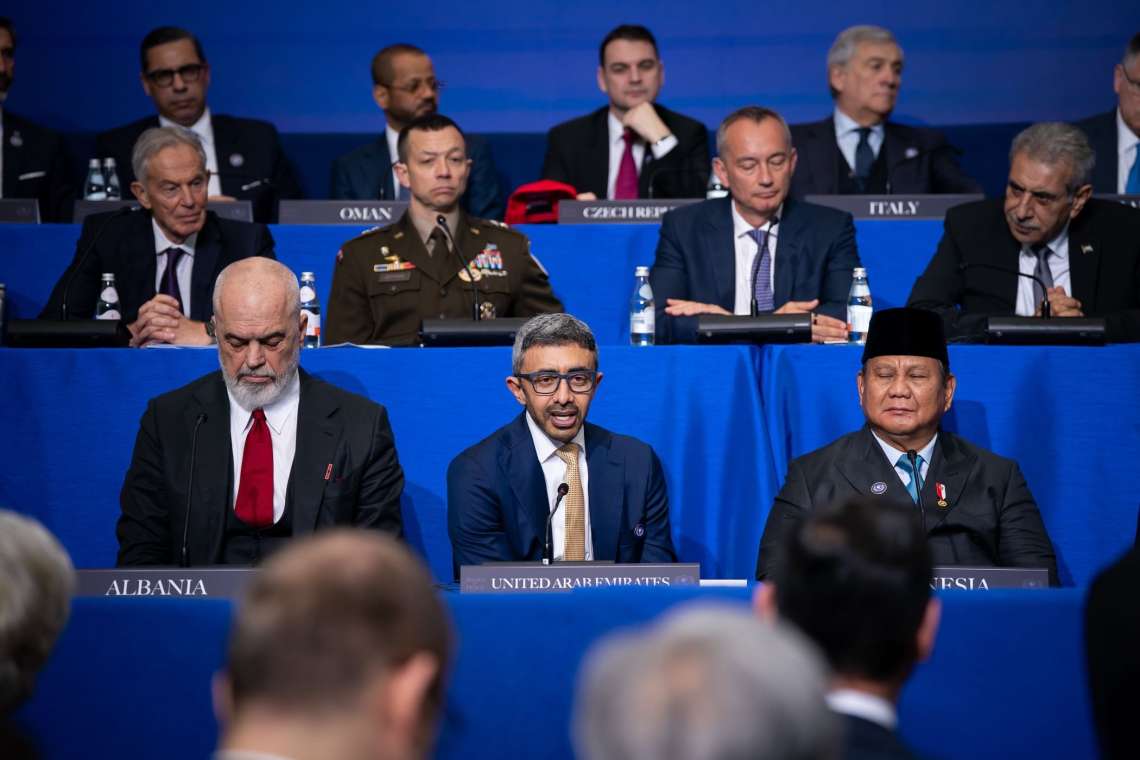
UAE pledges additional $1.2 billion for Gaza through US-led Board of Peace as global leaders debate reconstruction, security deployment and the initiative’s expanding international role….reports Asian Lite News
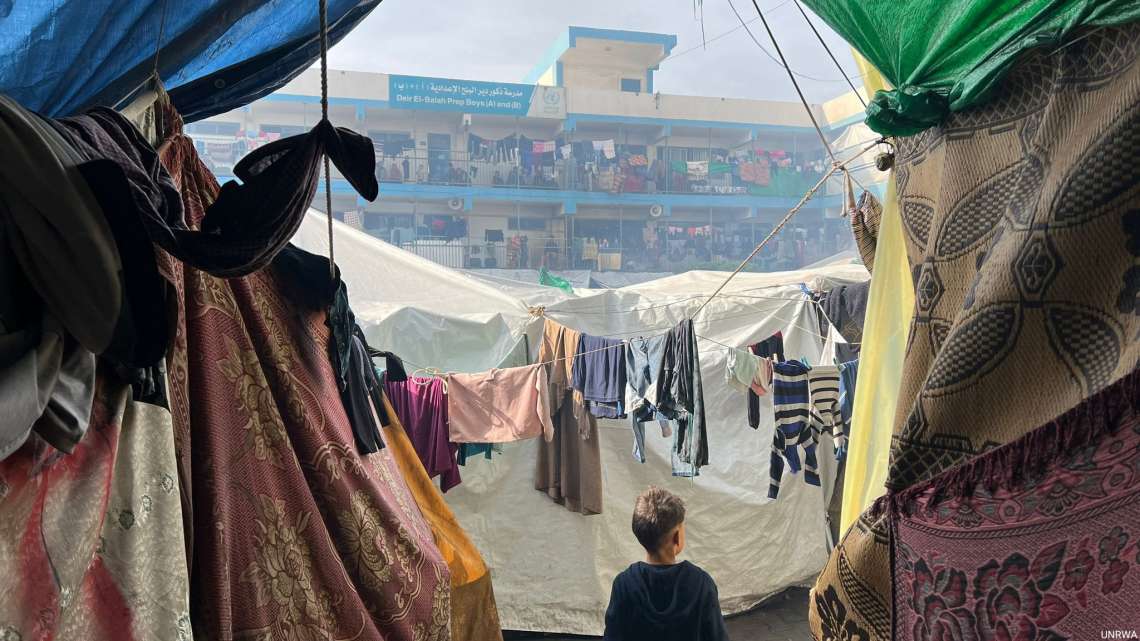
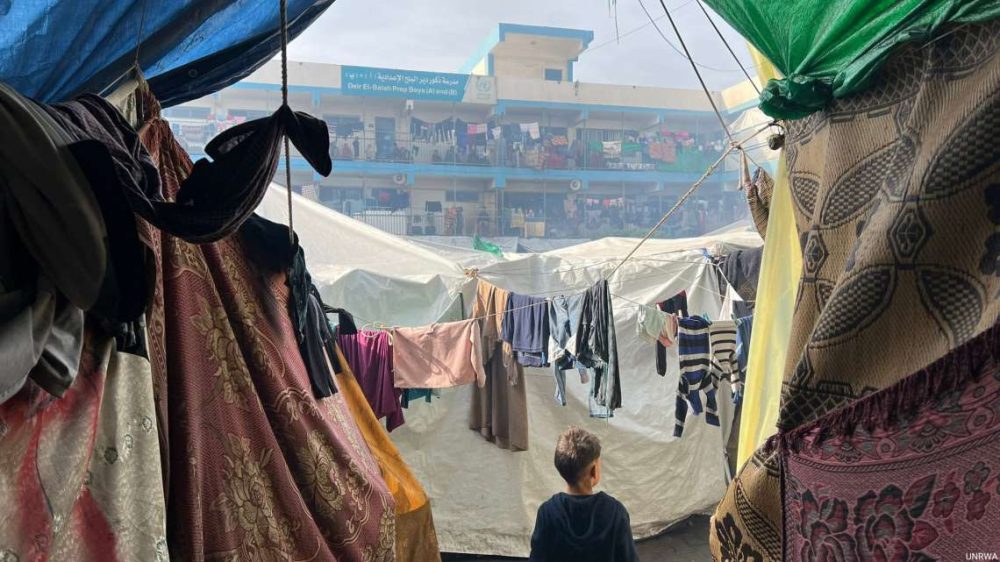
The United Arab Emirates has pledged a further US$1.2 billion to support Gaza, as global leaders gathered in Washington for the first formal meeting of the US-led Board of Peace initiative.
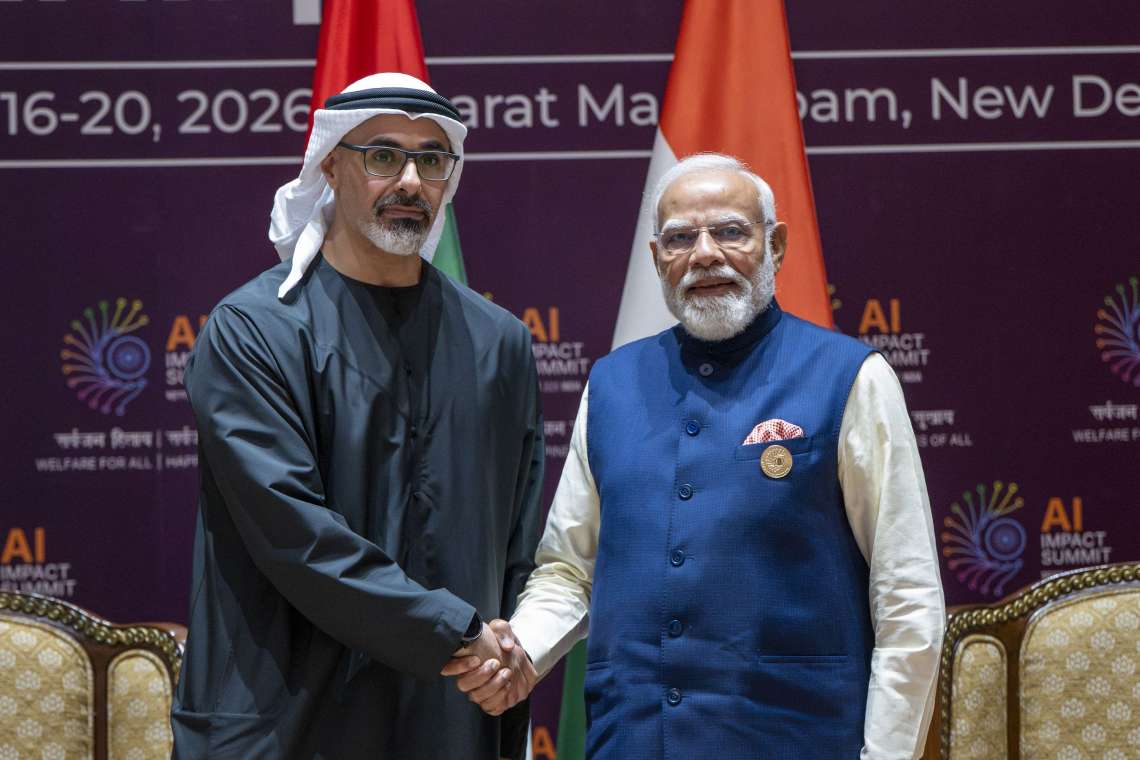
The announcement was made by Abdullah bin Zayed Al Nahyan during the inaugural session of the Board of Peace, convened under the chairmanship of Donald Trump. The high-level meeting brought together heads of state, senior officials and international policymakers to coordinate efforts aimed at securing a ceasefire in Gaza, accelerating reconstruction and promoting long-term regional stability.
Sheikh Abdullah’s participation marked the start of an official working visit to the United States, underscoring the depth of the strategic partnership between Abu Dhabi and Washington. In his address, he expressed hope that the beginning of Ramadan would inspire renewed commitment to peace and coexistence.
Recalling the launch of the Abraham Accords five years ago — brokered by President Trump alongside UAE President Sheikh Mohamed bin Zayed Al Nahyan and Israel’s prime minister — Sheikh Abdullah highlighted the UAE’s continued humanitarian engagement in Gaza since the outbreak of war following the October 7 attacks. He noted that nearly US$3 billion in assistance had already been provided to Palestinians during the conflict.
“Today, the UAE announces a further US$1.2 billion for supporting Gaza through the Board of Peace,” he said, adding that cooperation with US officials and regional partners would be critical to stabilising and rebuilding the territory.
The additional funding forms part of a broader financial effort announced at the meeting. President Trump said nine countries — including the UAE, Saudi Arabia, Qatar and Morocco — had collectively pledged around US$7 billion for Gaza relief, although reconstruction costs have been estimated at roughly US$70 billion.
Beyond financial commitments, the meeting outlined security arrangements under a proposed International Stabilization Force (ISF). Major General Jasper Jeffers, appointed commander of the new force, said it would eventually comprise 20,000 soldiers working alongside 12,000 Palestinian police officers inside Gaza. Training for both the ISF and Palestinian police personnel is expected to take place in Egypt and Jordan.
Countries including Indonesia, Morocco, Kazakhstan, Albania and the Kosovo authorities have indicated willingness to contribute troops, though deployment timelines and exact troop numbers remain unclear.
President Trump used the occasion to signal broader ambitions for the Board of Peace. While acknowledging that the UN Security Council had endorsed the body’s role in ensuring a Gaza ceasefire and supporting reconstruction, he suggested the initiative could expand beyond its original mandate.
“The Board of Peace is going to almost be looking over the United Nations and making sure it runs properly,” Trump said, adding that it could eventually address other global conflicts.
The proposal drew cautious responses from UN officials. Stéphane Dujarric, spokesperson for Secretary-General Antonio Guterres, reiterated that the UN’s work is governed by its Charter and overseen by member states through the General Assembly and Security Council. He declined to comment directly on Trump’s suggestion that the Board might supervise UN operations.
The president also acknowledged the UN’s financial difficulties, noting that Washington would seek to strengthen the organisation. The UN has warned of a potential funding shortfall, with the United States owing several billion dollars in assessed contributions.
Meanwhile, Israeli Prime Minister Benjamin Netanyahu has reiterated that reconstruction in Gaza would not proceed without the demilitarisation of Hamas, underlining the complex political and security challenges facing the initiative.
The Board of Peace was formally launched in Davos last month and has generated mixed reactions internationally. European Council President Antonio Costa has expressed reservations about its governance structure and compatibility with the UN framework.
For the UAE, however, the fresh US$1.2 billion pledge reinforces its positioning as a central diplomatic and humanitarian actor in Middle East stabilisation efforts.