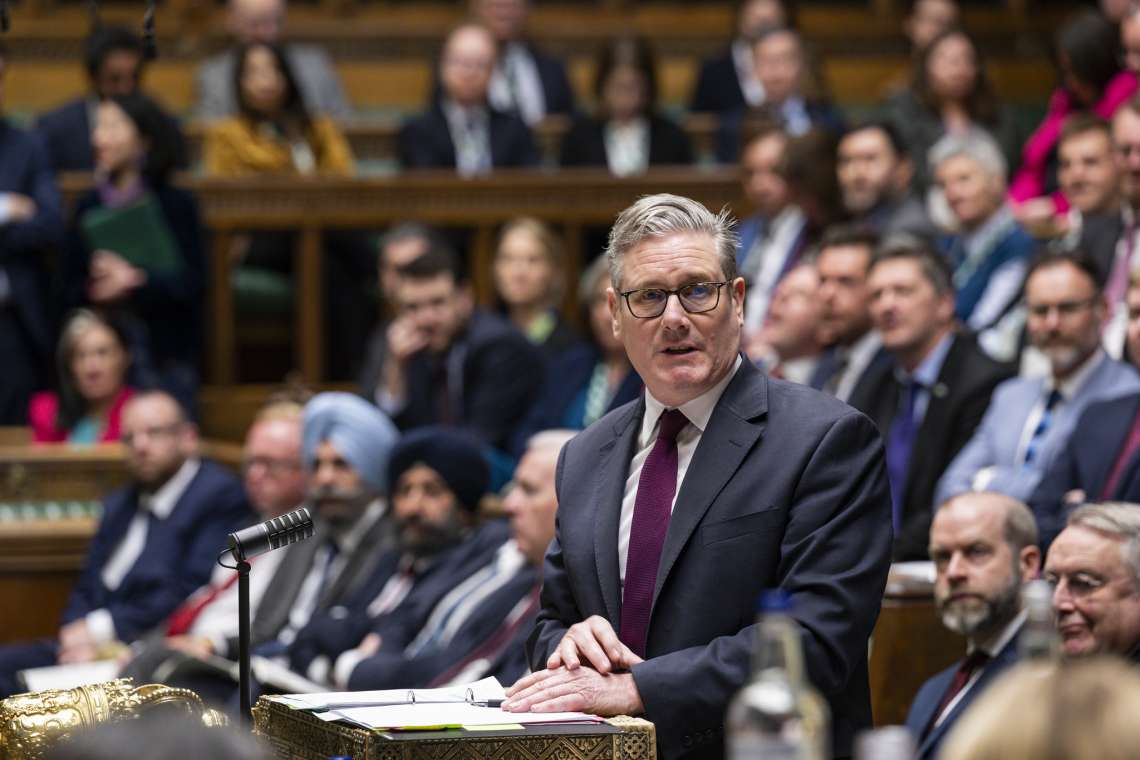
The UK prime minister has said the government has yet to finalise how it will fund its defence strategy, as questions continue over the timing and scope of its long-awaited review. Ministers insist the plan remains on track, despite delays and scrutiny over spending commitments, reports Asian Lite Newsdesk
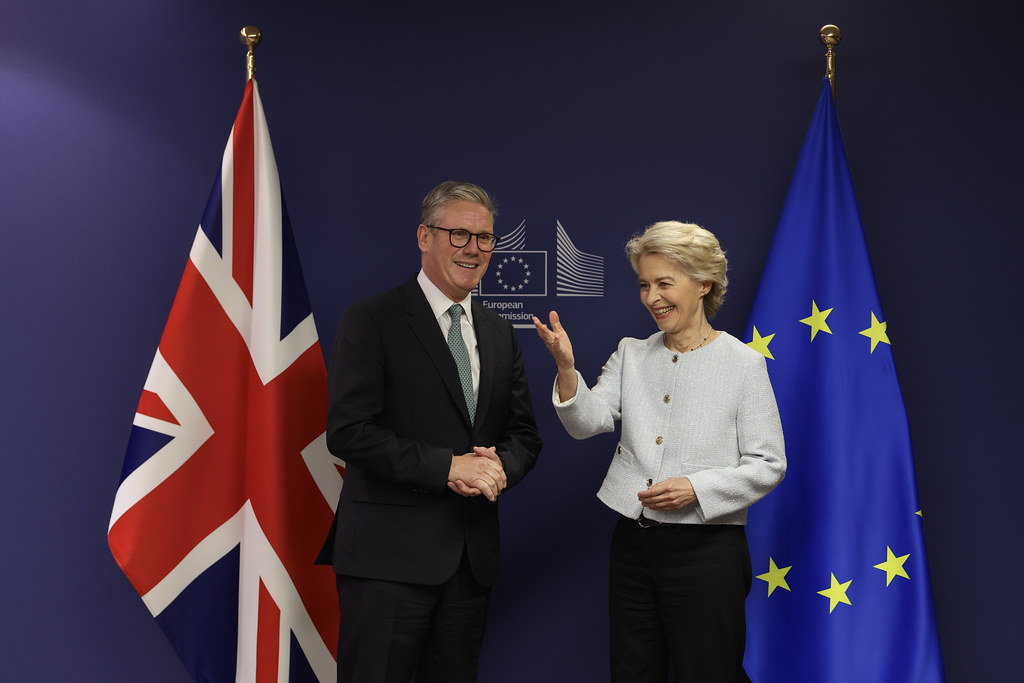
Keir Starmer has acknowledged he has yet to “put the funding in place” to move Britain to a “war footing”, as he insisted he is “finalising” the government’s repeatedly postponed defence investment plan.
The prime minister told MPs that “over-commitment and underfunding” by the previous Conservative government were to blame for delays to the military’s 10-year spending strategy. He claimed the plan, which was due to be published last autumn, was in its final stages, but, when questioned about its release, admitted: “I can’t give you a date.”
“We’re finalising it, we’ve absolutely got to get it right, and I want to ensure that anything relevant from this conflict [in Iran] is included within it,” he told the House of Commons liaison committee. In stronger language than he has used previously, Starmer also said the Iran conflict “is not our war” and reiterated his vow that Britain is “not getting dragged into it”.
Asked why the government did not yet appear to be on a “war footing” against a backdrop of rising conflict, however, Starmer accepted the premise of the question, responding: “Because the strategic review commits us to a war footing and we need to put the funding in place in order to get there.”
The strategic defence review was released last summer, with an assurance that the spending details underpinning it would be fleshed out in a defence investment plan several months later. That plan has yet to be published, prompting criticism over the pace of progress.
Starmer has committed to raising defence and intelligence agency spending to 2.6 per cent of GDP from 2027. At the Munich Security Conference last month, he pledged to “go faster” on increasing the budget further, but has not yet set out how the additional spending will be funded.
He denied that the stalled DIP was holding up defence contracts, despite private-sector concerns that the uncertainty was affecting procurement decisions and planning. Britain’s allies are also increasing their defence spending, with Japan raising the alarm about the UK’s commitment to its fighter jet programme with Italy, which has been hit by delays attributed to difficulties finalising spending plans.
The prime minister also faced questions about the UK’s air defence capabilities after two missiles were launched at the Diego Garcia air base in the Indian Ocean last week. One fell short, and we military systems intercepted the other. Starmer defended Britain’s ability to protect itself and its installations from missile and ground-based threats, while acknowledging the seriousness of the risks.
“We do have very effective ways of defending ourselves,” he said. “We constantly assess this,” but added that he did not want to “raise levels of public anxiety” over the issue.
The discussion took place against a backdrop of broader concerns about resilience and preparedness, including energy security and industrial capacity. As defence spending rises, ministers are under pressure to ensure the UK’s domestic defence industry can meet demand and avoid bottlenecks in production.
Starmer said he was “one of a number of leaders” seeking to ensure sufficient energy supplies this winter following uncertainty in global markets. He also hinted at possible action to curb excessive profiteering, saying he would give the Competition and Markets Authority more “teeth” to intervene where necessary.
The government maintains that its defence strategy will reflect lessons from ongoing conflicts and align with commitments to allies, but critics argue that delays risk undermining confidence in the UK’s readiness. With no firm publication date for the defence investment plan, scrutiny is likely to continue over how and when ministers intend to translate strategic ambitions into funded policy.