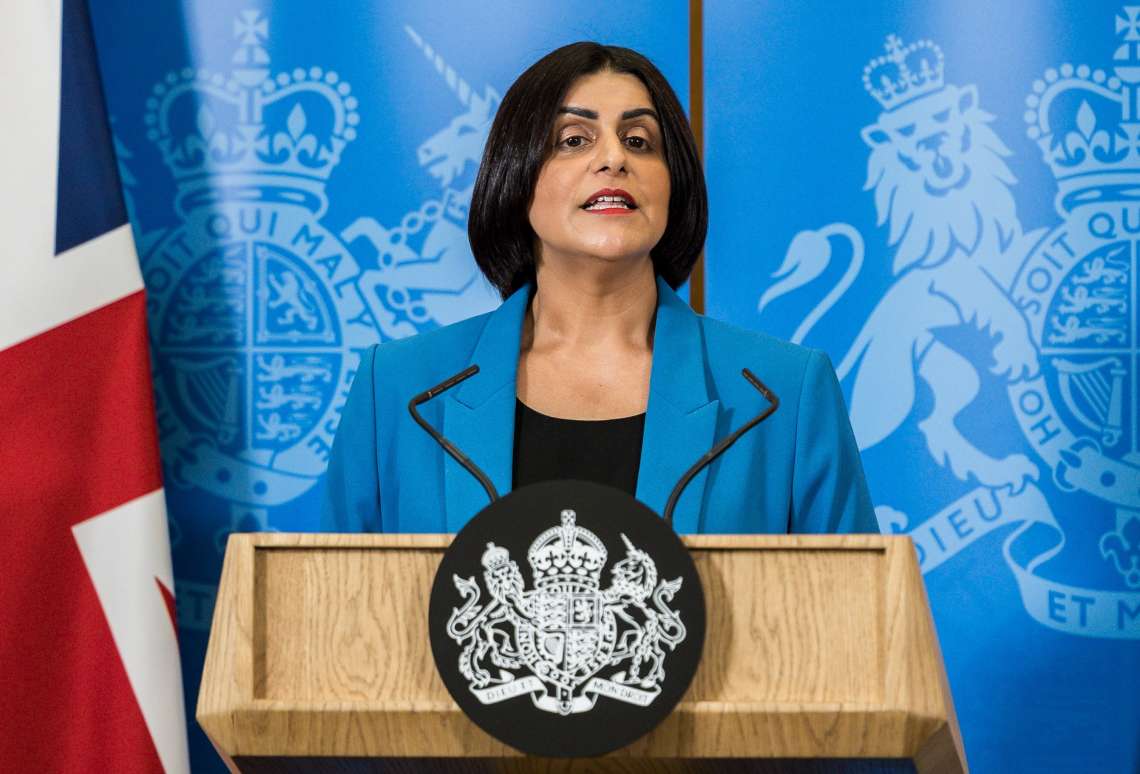
A proposed UK-France agreement to curb small boat crossings has been delayed amid disagreements over stricter payment-by-results terms. Negotiations continue as both sides seek to bridge gaps before the current deal expires, reports Asian Lite Newsdesk
A proposed agreement between the United Kingdom and France aimed at reducing small boat crossings in the Channel has been delayed, as negotiations continue over tougher conditions sought by the UK government. The deal, which would fund increased French patrols to intercept migrants before they reach British waters, has not yet been finalised due to disagreements over how payments should be structured, The Times reported.
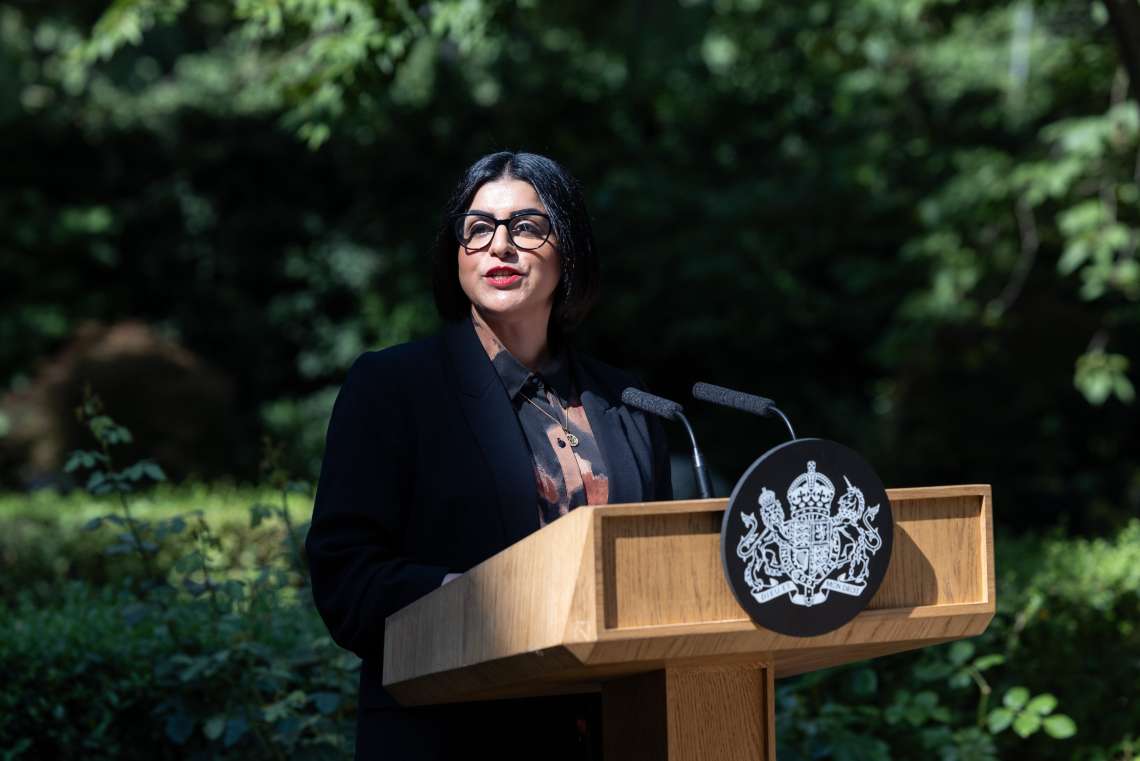
According to officials, Home Secretary Shabana Mahmood has insisted on stricter “payment-by-results” terms, linking UK funding more directly to measurable reductions in crossings. The Home Office has been seeking to incorporate elements of “flexibility and innovation” into the arrangement, but a gap remains between the two sides.
The delay comes as the existing three-year agreement between the UK and France approaches its expiry. Under that deal, British funding supported French patrols and surveillance along the northern coastline. However, crossings have continued at significant levels, prompting the UK to seek a revised framework with more clearly defined outcomes.
The number of migrants intercepted by French authorities has increased in recent years, but officials acknowledge that many still manage to leave French shores. British negotiators are understood to be pressing for a model in which France commits to intercepting a higher proportion of attempted crossings, with payments adjusted accordingly.
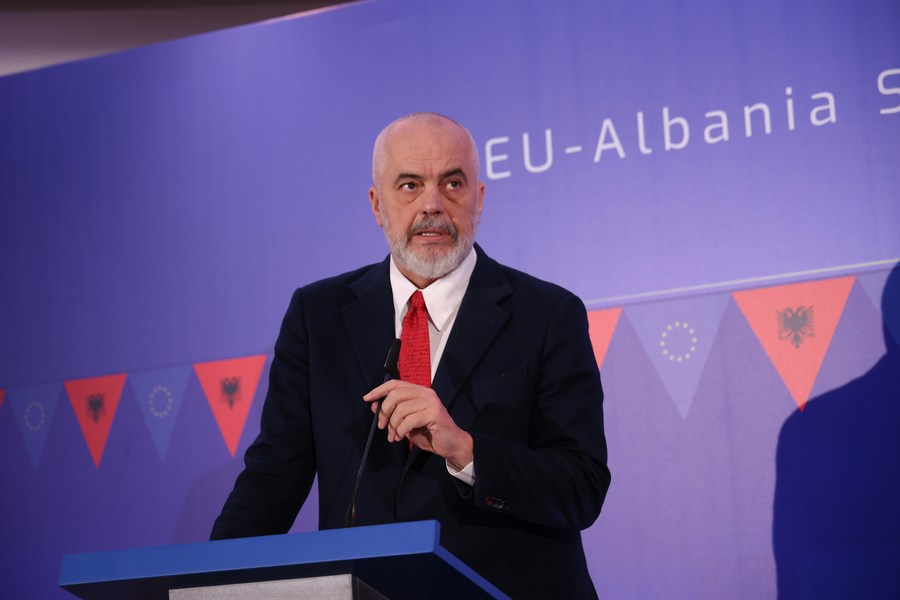
French officials have indicated that they are open to a results-based approach but have raised concerns about how such targets would be defined and enforced. There is also sensitivity around the political implications of appearing to act under direct pressure from the UK.
One official involved in earlier rounds of discussion said there had been tentative agreement on setting interception targets, but warned that the issue remained complex. “We were trying to get them to agree to a certain percentage of interceptions because we thought that if we got 80 or 90 per cent stopped, then you could bust the criminal gangs,” the official said. “When you get 50 per cent but never anywhere near 80 per cent, we tried to get them to agree to that metric, and argued that we’d fund more, but they rejected that sort of thing and then made it quite political, saying we’re not your servants, we’re a sovereign nation, etc. It didn’t make you feel positive about the whole process.”
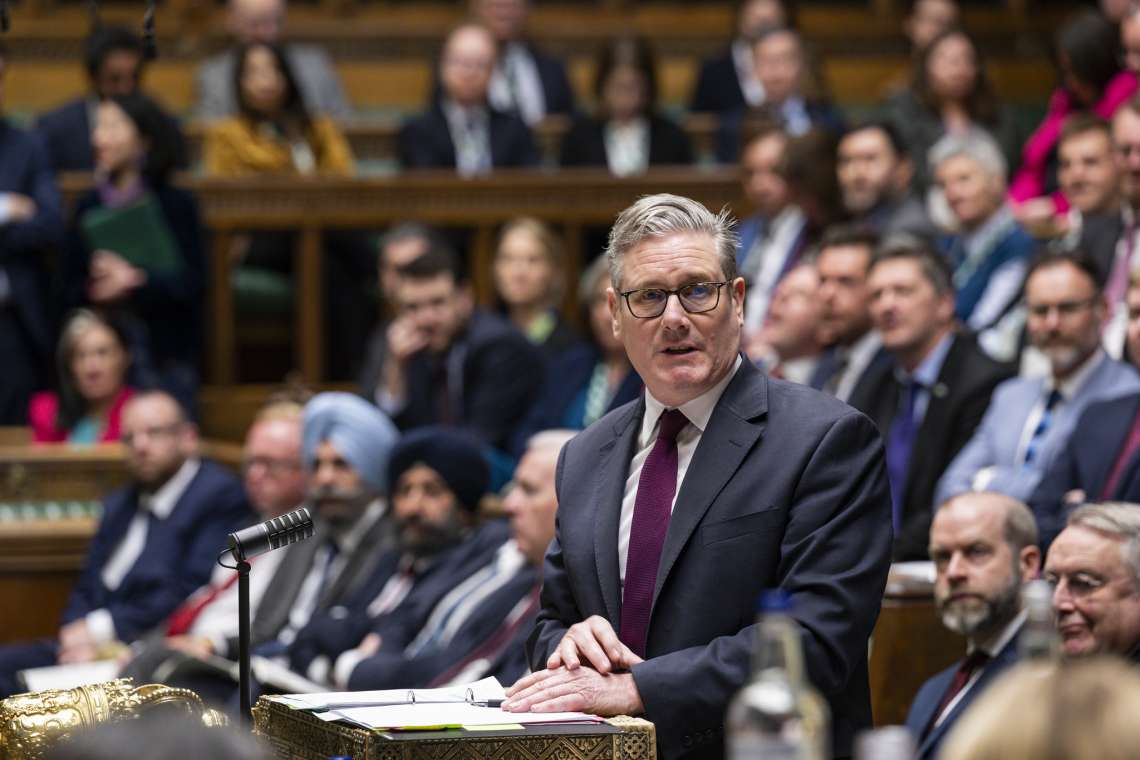
Downing Street declined to comment on specific elements of the negotiations but said the government remained committed to securing a workable agreement. A spokesperson said efforts were focused on improving operational cooperation while maintaining a constructive relationship with France.
The Home Office confirmed that discussions were ongoing but did not disclose details. “We do not comment on ongoing negotiations,” a spokesperson said. “We have previously spoken about our comments on anonymous briefings. We are focused on securing an agreement that works.”
The UK government has signalled that it is prepared to increase funding if stronger commitments can be secured. Current arrangements involve the UK contributing to the costs of policing, surveillance technology and infrastructure aimed at preventing crossings. However, officials argue that a more outcome-focused model is needed to deliver a sustained reduction.
French interception rates have fluctuated over time, with officials noting that a significant proportion of attempted crossings are still launched despite enforcement efforts. The UK believes that a higher interception rate would disrupt smuggling networks and deter departures.
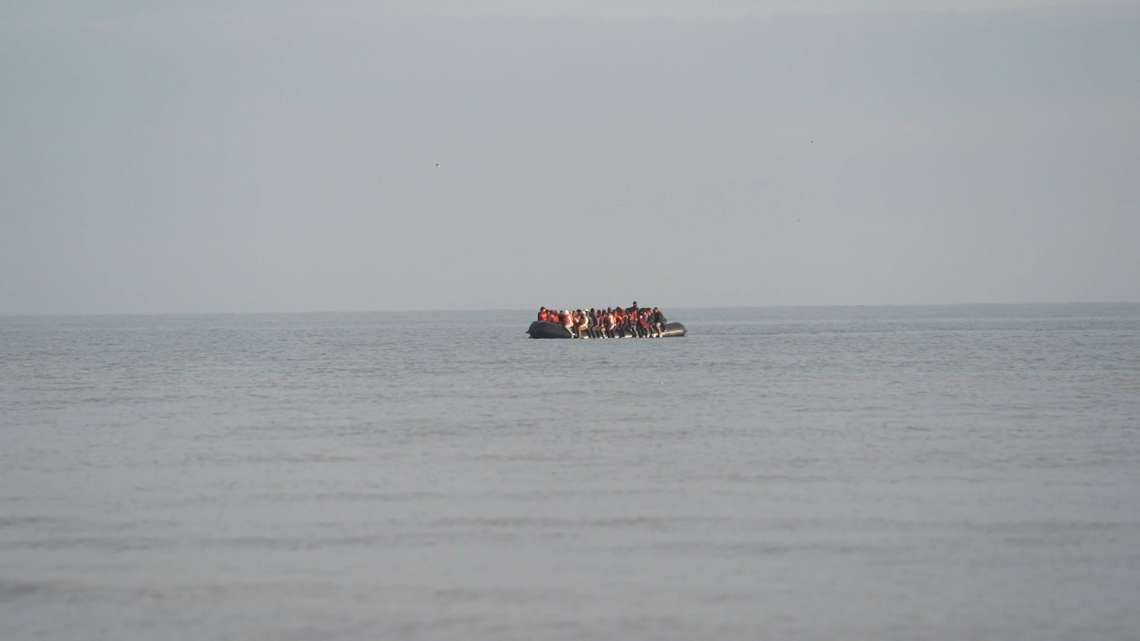
Meanwhile, crossings have continued in recent months. More than 10,000 people have arrived in the UK by small boat so far this year, as several days of favourable weather have led to increased activity. Images released by authorities show groups of migrants being brought ashore in Dover after being intercepted in the Channel.
As talks continue, both sides face pressure to reach an agreement before the current framework lapses. The outcome is likely to shape the next phase of cross-Channel cooperation on migration, with broader implications for border enforcement and bilateral relations.