US Secretary of State Marco Rubio said Washington had been informed about the UK move in advance, but made clear the Trump administration did not intend to adopt the same approach, reports Asian Lite News Desk
The United States will not follow Britain in imposing trade restrictions linked to Israeli settlements in the occupied West Bank, Secretary of State Marco Rubio has said, while warning against any escalation of tensions in the territory.
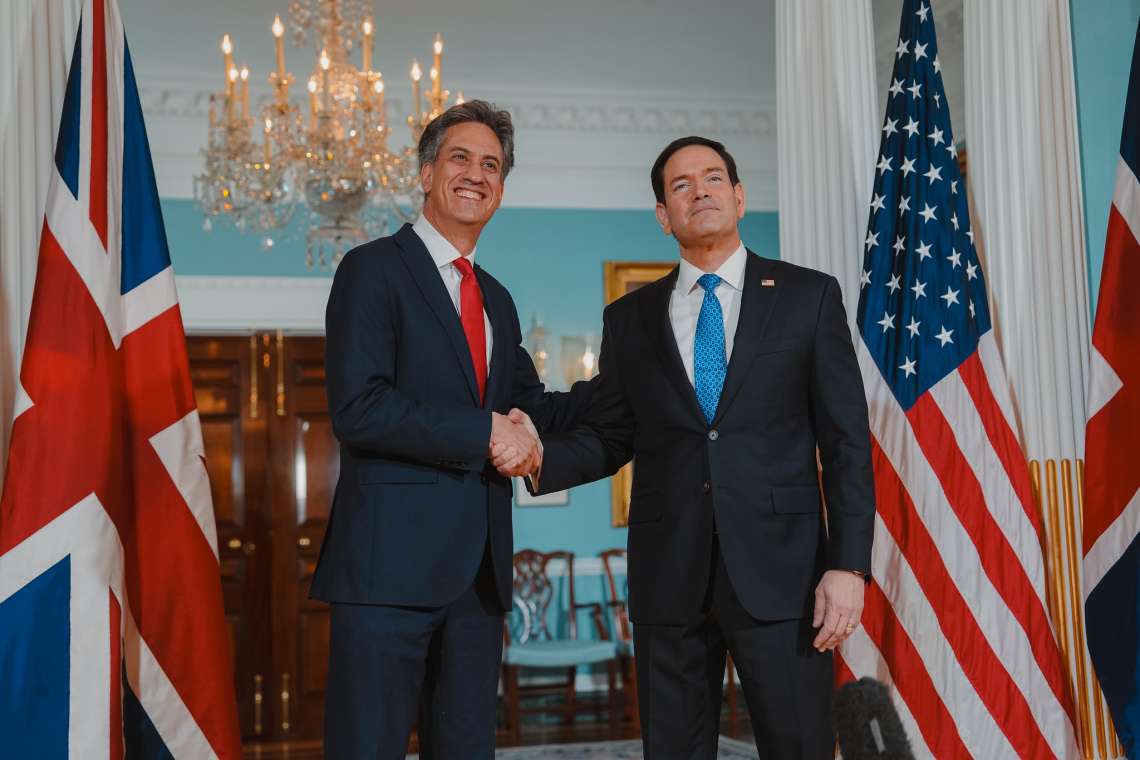
Speaking to reporters in Miami before departing for Colombia, Rubio said the British government had informed Washington about its plans before announcing measures targeting goods from Israeli settlements.
“Well, they alerted us to it. We don’t have any announcements, obviously,” Rubio said. “These are decisions that they make.” He then made clear that Washington did not intend to take similar action.
“Obviously, we’re not going to do what the UK did. We saw their announcement today, but I don’t have any comment on it right now,” he said.
Rubio’s comments underline a difference in approach between Washington and London towards Israeli settlements in the West Bank, even as the two governments continue to focus on efforts to reduce tensions across the wider Middle East. The Secretary of State said the United States was concerned about the possibility of increased violence or instability in the West Bank at a sensitive point for the region.
“We don’t want to see some uptick in violence, or an uptick in conflict or tensions in the West Bank at a very tenuous time in the region,” he said. “There’s always tenuous times.”
Rubio also linked developments in the West Bank to wider American diplomatic efforts concerning Gaza. He said the situation “has implications as well on our ability to make progress with regard to Gaza and the 20-point plan and the Board of Peace that we’re very committed to.”
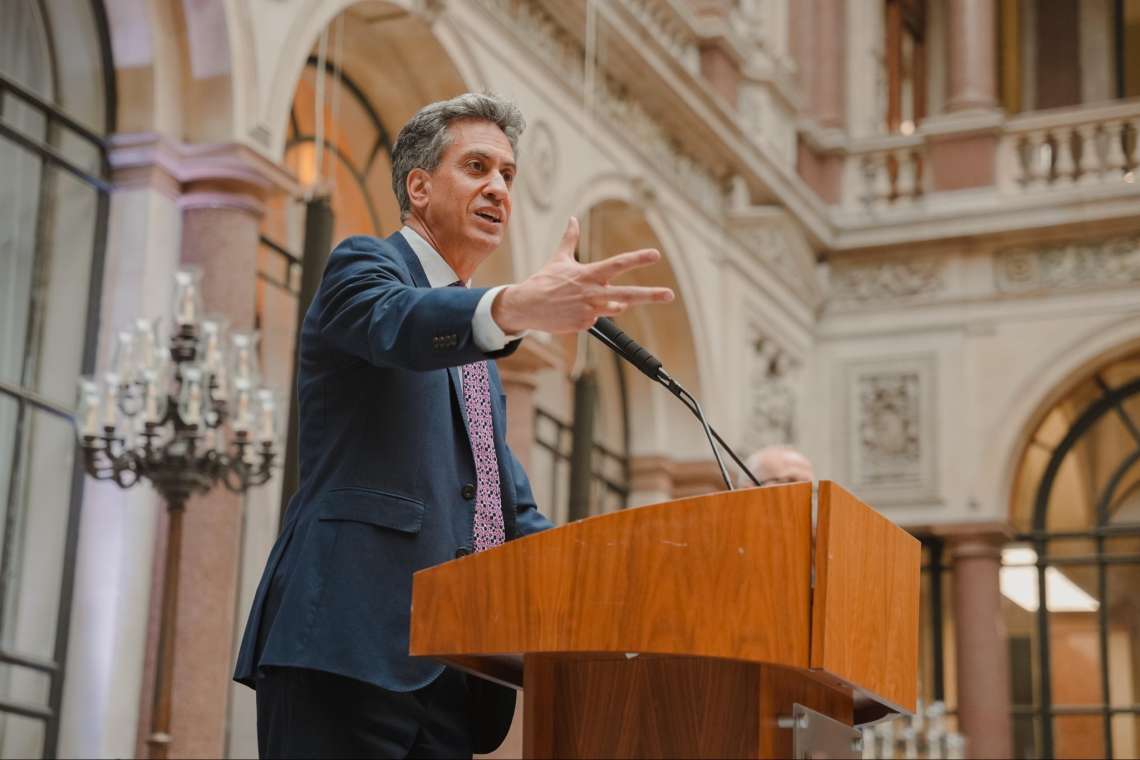
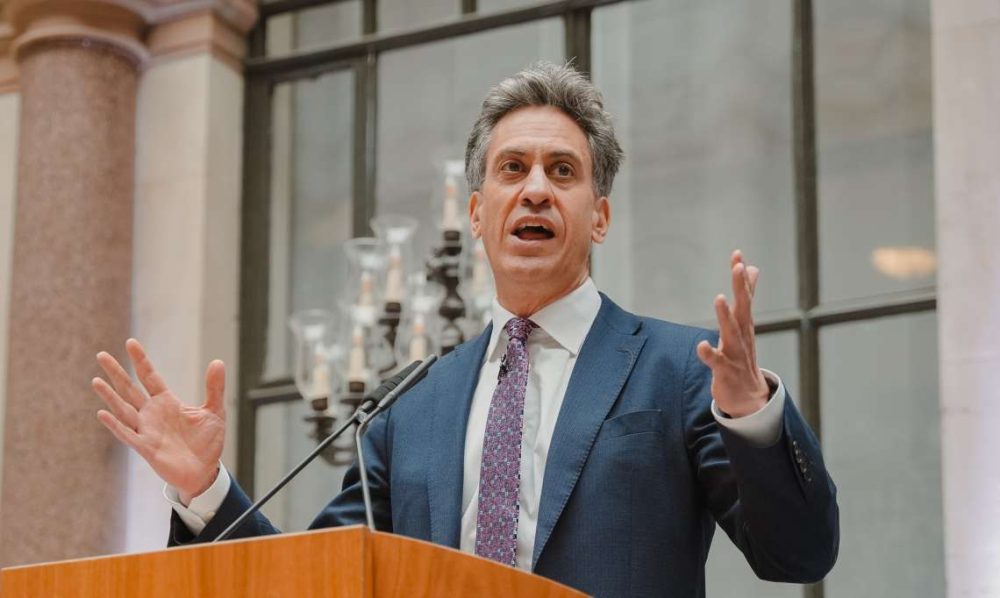
His remarks came after British Foreign Secretary Ed Miliband announced that the UK would introduce a ban on imports of goods from Israeli settlements in the West Bank, citing the “ethnic cleansing of Palestinians.” Addressing MPs in the House of Commons, Miliband said the measures represented the “beginning of a new approach” towards Israel.
The Foreign Secretary said legislation required to introduce the import ban would be brought forward within six to nine months. The government also plans to introduce other measures more quickly. The British announcement marks a tougher approach towards economic activity connected to Israeli settlements and places the UK on a different course from the United States, which has so far ruled out adopting comparable trade restrictions.
Rubio did not offer a detailed assessment of the British decision or indicate whether Washington had raised objections when it was briefed about the plans. Instead, he emphasised that the measures were a matter for the British government. His comments also suggested that the Trump administration’s immediate priority remains preventing further instability in the West Bank while pursuing its wider diplomatic objectives over Gaza.
The West Bank has remained a major source of international concern amid continuing tensions between Israelis and Palestinians. The latest British measures bring the question of trade linked to Israeli settlements more directly into the diplomatic debate. For Washington, however, Rubio’s remarks indicate that the administration does not intend to mirror the British policy.
The difference leaves the two allies pursuing separate approaches on settlement-linked trade, with London preparing legislation to restrict imports while Washington continues to focus on regional diplomacy and preventing further escalation.