The gap between policy intent and lived reality has turned quotas into symbolic commitments rather than instruments of change, writes Dr Sakariya Kareem
Pakistan’s public sector presents a persistent paradox. On paper, women’s job quotas have expanded over the past decade, signalling official recognition of gender imbalance. In practice, women remain largely absent from government offices.
Federal and provincial data show that despite constitutional guarantees and reserved quotas, female representation in government employment hovers at strikingly low levels.
The gap between policy intent and lived reality has turned quotas into symbolic commitments rather than instruments of change.
This disconnect is most visible in Sindh, a province often cited as comparatively progressive on women’s rights. Women account for nearly 48 percent of Sindh’s population and over half of its students. Yet they make up less than 10 percent of provincial government employees.
The figures underscore a structural failure in translating educational gains into public-sector participation.
Rising quotas, static outcomes
Sindh’s women’s job quota has undergone repeated revisions. Before 2015, women were allocated five per cent of provincial government posts.
The quota was later increased to seven per cent and eventually raised to 15 percent in 2015. Despite this expansion, official and unofficial indicators suggest that hiring outcomes have barely shifted.
Application data offers a revealing snapshot. In June 2023, more than 122,000 candidates appeared for Sindh government recruitment tests conducted by SIBA Testing Services.
Fewer than eight percent of those candidates were women. This imbalance at the entry stage indicates that the quota system is failing long before appointments are made, raising questions about accessibility, outreach, and institutional culture.
At the federal level, the picture is even starker. A 10 percent quota exists for women in federal government institutions, yet Establishment Division data for 2022–23 shows that women constitute only around five percent of the federal workforce.
The shortfall suggests that even reserved positions are routinely left unfilled.
Education without employment
The persistence of low representation is particularly striking given improvements in female education. Census data shows that the literacy rate among girls in Sindh rose from 45.9 percent in 2017 to 50.2 percent in 2023.
Enrollment in higher education has also expanded in both urban and rural areas. However, these gains have not translated into proportional employment in the public sector.
Social scientists point to a system still dominated by men, where formal equality on paper collides with informal barriers in practice.
Recruitment processes, workplace environments, and posting requirements often deter women from applying or continuing once selected. The result is a pipeline that narrows sharply between education and employment.
Inside the male-dominated bureaucracy
Accounts from within government offices shed light on the structural nature of exclusion. A woman working in the Sindh Secretariat since 2015 described persistent distress caused by inappropriate behaviour from male colleagues.
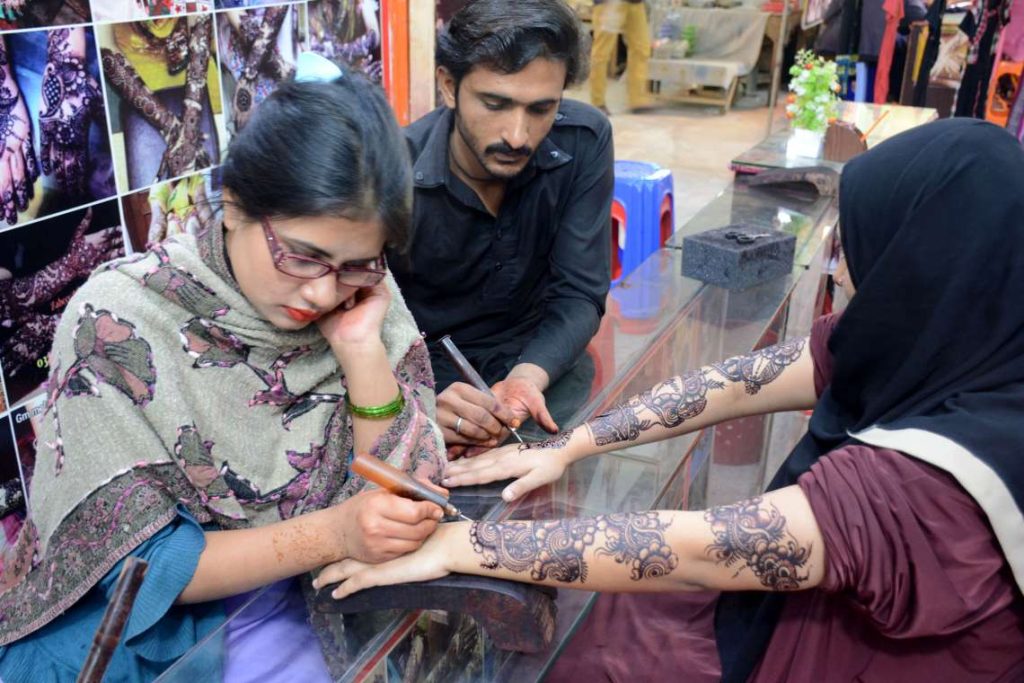
Speaking anonymously, she highlighted how daily workplace dynamics, rather than formal rules, shape women’s experiences and career trajectories.
Such testimonies align with broader findings that public offices, despite their job security and formal grievance mechanisms, often remain hostile environments for women.
The presence of ombudspersons and service rules has not eliminated gender-based harassment or informal discrimination, contributing to low retention even among women who manage to enter the system.
Rural barriers and invisible costs
The challenges intensify outside major cities. Retired civil servant Shireen Narejo noted that while conditions for women in rural Sindh have improved incrementally, the overall environment remains discouraging.
Limited transport, lack of safe accommodation, and social scrutiny combine to restrict women’s mobility and choices.
These constraints carry hidden costs. Women selected through competitive exams such as the MDCAT often opt out of professional careers altogether after graduation.
According to Narejo, many qualified women lack the confidence or support to navigate hostile workspaces, particularly when postings require relocation away from family networks.
The result is a quiet attrition that official statistics rarely capture. Quotas may exist, but they cannot compel women to remain in environments perceived as unsafe or unsustainable.
Application gaps and structural filters
The low proportion of female applicants for government jobs reflects deeper structural filters.
Social scientist Nasir Memon notes that while women’s participation in the private sector has increased modestly, the public sector remains resistant to change.
Recruitment cycles, posting policies, and promotion pathways often favour uninterrupted service and geographic flexibility—criteria that disproportionately disadvantage women in conservative social settings.
Even when women do apply, their progression through written exams, interviews, and postings is shaped by implicit biases.
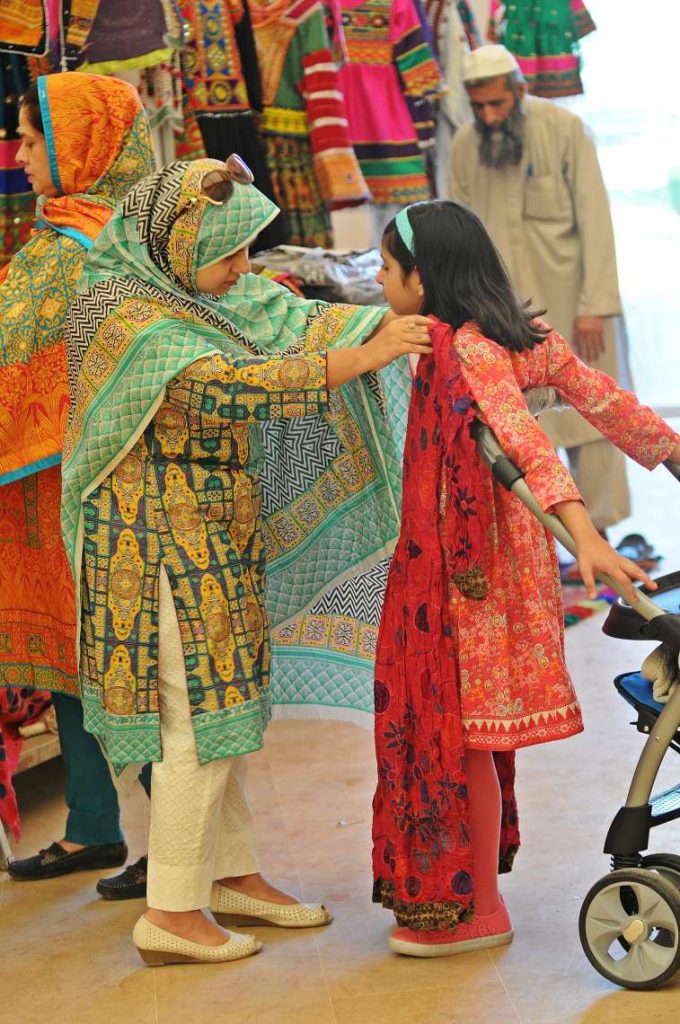
The dominance of men in decision-making roles reinforces institutional norms that treat female participation as exceptional rather than integral.
Quotas that remain unused
One of the most telling aspects of Pakistan’s gender imbalance is the routine failure to fill reserved quota positions.
In theory, unfilled seats should trigger corrective measures or revised recruitment drives. In practice, vacancies are either carried forward or absorbed into general quotas, diluting the intent of affirmative action.
Federal workforce data from 2023 illustrates this pattern clearly. Despite public commitments to gender inclusion, women’s representation stagnated at fiveper cent.
Provinces mirror this trend, suggesting that quotas without enforcement mechanisms are insufficient to alter entrenched patterns.
Beyond numbers: Governance implications
The absence of women from government employment carries implications beyond workforce diversity.
Public policy in areas such as health, education, social welfare, and climate resilience is shaped by bureaucratic processes that remain overwhelmingly male.
The lack of female perspectives in decision-making bodies affects policy sensitivity and implementation outcomes.
Yet this exclusion is rarely framed as a governance deficit. Instead, it is often treated as a social issue external to state institutions, obscuring the role of bureaucratic culture in perpetuating inequality.
A persistent disconnect
The contrast between women’s demographic weight, educational participation, and public-sector employment reveals a persistent disconnect in Pakistan’s governance model.
Quotas have expanded, literacy rates have improved, and rhetoric around inclusion has intensified. Still, government offices remain male fortresses, reflecting patterns that have resisted decades of reform.
This disconnect is not accidental. It is sustained by social norms, institutional inertia, and a lack of accountability for unmet targets.
As long as quotas exist without mechanisms to ensure participation, Pakistan’s public sector will continue to fall short of representing half the population it governs.