December 26, 2020
3 mins read

Republicans Reject Trump Demand on Stimulus

The $900 billion Covid-19 stimulus package is up in the air after House Republicans rejected us President Donald Trump’s demand to raise direct payments to Americans.

Republicans in the US House of Representatives on Thursday blocked an attempt from House Democrats to raise the bill’s $600 direct payment checks to $2,000, a figure demanded by Trump, reports Xinhua news agency.

The House and Senate both approved the package late Monday, along with $1.4 trillion in government funding for the rest of the fiscal year, which ends on September 30, 2021, sending the giant spending bill to the president to sign into law.

“The bipartisan Covid relief & omnibus bill has been enrolled,” House Speaker Nancy Pelosi wrote in a Twitter post on Thursday.

“The House & Senate are now sending this important legislation #ForThePeople to the White House for the President’s signature. We urge him to sign this bill into law to give immediate relief to hard-working families.”

On Tuesday, Trump said in a video that he wanted Congress to increase the amount in the stimulus checks, calling the 600 dollars for individuals “ridiculously low”.

Pelosi then retweeted the video and said Republicans repeatedly refused to say what amount the President wanted for direct checks.

“At last, the President has agreed to $2,000. Democrats are ready to bring this to the floor this week by unanimous consent. Let’s do it,” said Pelosi.

US House Speaker Nancy Pelosi

It was a rarity that Democrats and the White House, who have been caught in bitter partisanship in the last four years, joined in calling for a larger stimulus package, experts said.

The $900 billion package would be the second-largest relief deal after the $2 trillion CARES Act that Congress approved in March.

The relief measure came after Democratic and Republican lawmakers finally reached a deal on Sunday, following months of deadlock over the size and scope of the package.

For Democrats, the package is much smaller than the $3.4 trillion proposal they passed in the House in May, and down from the $2.2 trillion trimmed version they offered in October.

Some Senate Republicans, however, insisted on a relief package below $1 trillion, and had previously pushed for a $500 billion bill.

Democrats would by and large gladly increase the size of the direct payments while many Republicans in Congress think $600 dollars is too high, Christopher Galdieri, assistant professor at Saint Anselm College, told Xinhua.

“This also gives the Democrats in Georgia’s two Senate races a chance to attack their opponents over this issue,” Galdieri added.

US Senate Majority Leader Mitch McConnell

Democrats flipped one net seat in general elections and currently control 48 seats in the Senate, while Republicans have won 50 seats. Two seats are still up for grabs in Georgia as the state’s Senate elections head to runoffs in January.

Trump left for Mar-a-Lago, his club in Palm Beach, Florida, on Wednesday without saying another word on the relief bill’s fate.

One possibility is that Trump could play the issue out until the December 29 deadline, and then sign the bill as is, to avoid a government shutdown, Clay Ramsay, a researcher at the centre for international and security studies at the University of Maryland, told Xinhua.

But if the president does nothing, the legislation and its relief will die on January 3 with the statutory end of the current Congress.

That means millions of Americans are in danger of losing important benefits just after the holidays.

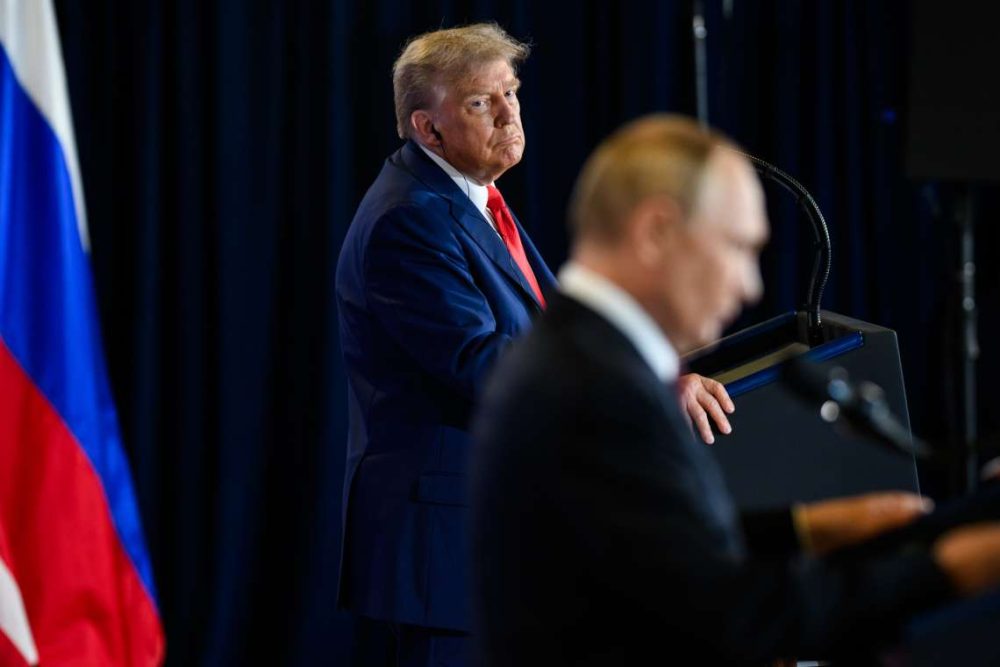
US President Donald Trump

Trump is “probably right that the $600 payment is ridiculously low for people in real need and that the US economy might very well need a bigger stimulus package than Congress has passed,” Desmond Lachman, a resident fellow at the American Enterprise Institute, told Xinhua.

However, what the President is not telling people is that the $2,000 payment that he is proposing would be “as badly targeted as the current $600 dollar payment”.

“It would be going not only to people in real need and to people who have lost their jobs but also to people earning six-figure incomes and to people who did not lose their jobs,” Lachman said.

Newsdesk

Newsdesk

Aravind Rajeev is Deputy News Editor at Asian Lite, mostly covering the Middle East and GCC. He has over eight years of experience as a journalist, with a background in ground-level reporting, crime reporting, as well as international and regional news.

Previous Story

B’ town Picture Gallery

Next Story

Corona Overshadows EU-UK Divorce

Previous Story

B’ town Picture Gallery

Next Story

Corona Overshadows EU-UK Divorce

Latest from -Top News

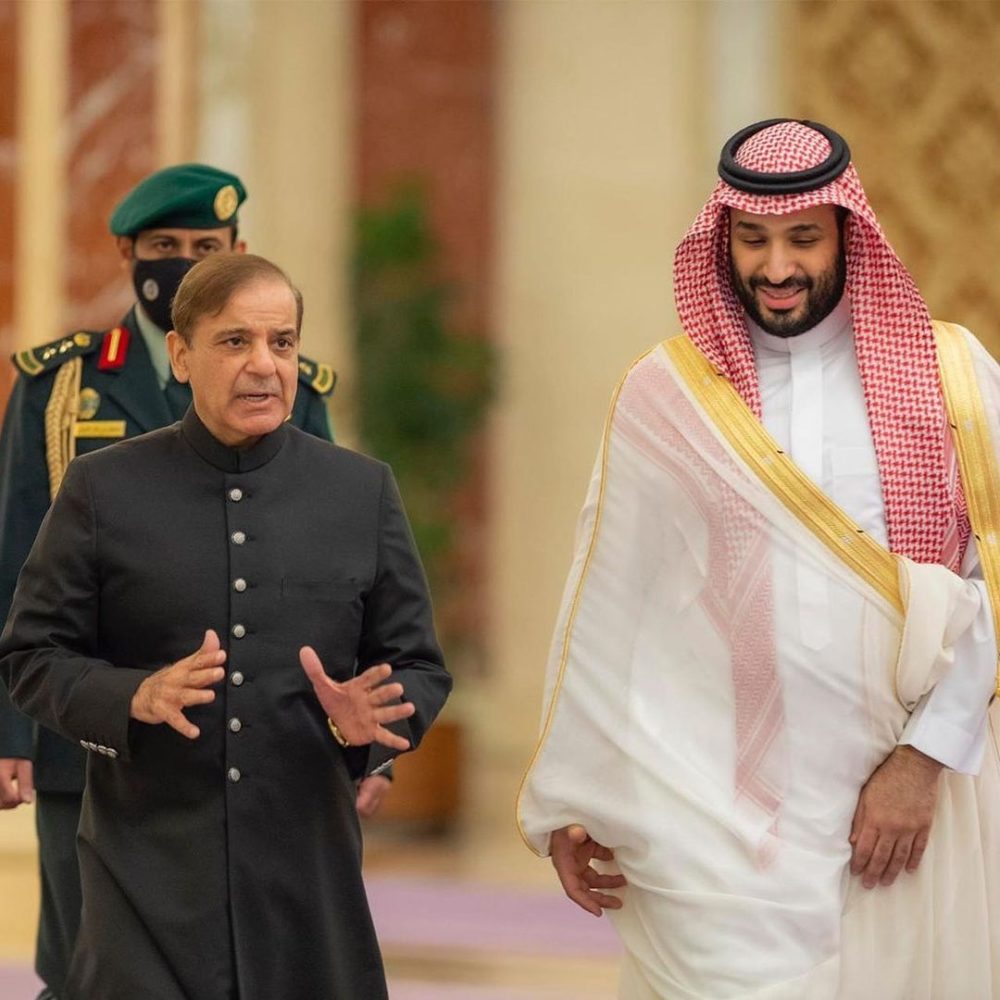
Pakistan Risks Overstretching Itself in Yemen War

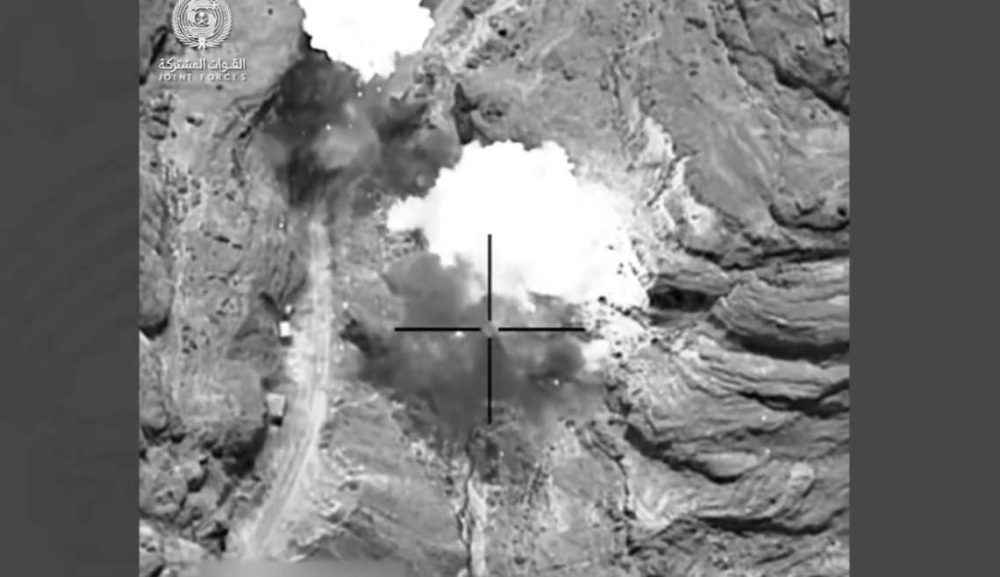
Pakistan’s expanding military role in Saudi Arabia amid the Yemen conflict could strain its defence resources and fragile finances…reports Asian Lite News Desk Pakistan’s military involvement in the war in Yemen may prove unsustainable because of mounting financial pressures and competing security demands, according to a new report. Islamabad’s growing military presence in Saudi Arabia risks stretching its defence resources while exposing the country to greater strategic and economic challenges. An article by Andrew Wilson in One World Outlook describes Pakistan’s involvement as a case of “fiscal and strategic overreach”, arguing that the country lacks the financial flexibility to sustain an expanded military commitment. Pakistan’s external finances depend heavily on an International Monetary Fund (IMF) programme, financial support from Gulf countries and remittances from Pakistani workers in the region. The report argues that deeper military involvement in the conflict could place additional pressure on these sources of financial stability. It also warns that deploying troops and military equipment abroad could weaken Pakistan’s capacity to address security challenges along its eastern border and deal with two domestic insurgencies. The move could also draw Islamabad into a conflict it has sought to approach cautiously. A Reuters report in May, citing Pakistani security and government sources, said Islamabad had deployed around 8,000 troops, a squadron of approximately 16 aircraft, mostly JF-17 fighter jets, two drone squadrons and a Chinese HQ-9 air-defence battery to Saudi Arabia. According to those sources, Riyadh was financing the deployment, with Pakistani personnel operating the equipment. The sources also said a confidential agreement contemplated the possibility of deploying up to 80,000 troops. Islamabad has not confirmed those figures, although it has acknowledged its military presence in Saudi Arabia, including the deployment of fighter jets at King Abdulaziz Air Base from April. The One World Outlook article argues that Saudi financial support can cover allowances and operating expenses but cannot easily replace military equipment needed elsewhere or resolve the political and strategic challenges of participating in the Yemen conflict. Pakistan’s defence budget is another concern. For the 2026-27 financial year, the federal government allocated PKR 3 trillion, or approximately $10.8 billion, to defence services. The allocation represents an 18 per cent increase from the original PKR 2.55 trillion provision and amounts to around 2.1 per cent of projected gross domestic product (GDP). Defence spending accounts for approximately 16 per cent of the federal government’s PKR 18.8 trillion expenditure. Military pensions are budgeted separately at PKR 822 billion, while debt servicing costs stand at approximately PKR 8 trillion, more than two-and-a-half times the defence allocation. The report argues that these competing financial obligations leave little room for additional military expenditure without placing further pressure on public finances. Pakistan’s reliance on IMF assistance also limits its fiscal flexibility. The country must meet the conditions attached to the programme, including a primary budget surplus target of 2 per cent of GDP and continued restraint on development spending. According to the article, these requirements make it difficult for Islamabad to finance an additional military commitment without compromising other budgetary priorities. Pakistan’s economic indicators offer limited reassurance. Economic growth for the 2025-26 financial year is estimated at between 3.6 and 3.7 per cent, while inflation reached approximately 10.3 per cent in September following an energy price shock. Foreign exchange reserves stood at around $21.5 billion at the end of September. Although this marks an improvement from the low levels recorded in 2023, the report notes that the reserves cover only a few months of imports. Financial assistance from Gulf partners remains central to Pakistan’s external stability. The article says Islamabad holds approximately $8 billion in Saudi deposits at its central bank. In July, the State Bank of Pakistan said Riyadh had extended the maturity of $5 billion in deposits to December 2028, easing the country’s immediate external financing requirements. A further $3 billion deposit was also extended in the spring. However, the article argues that these arrangements provide temporary relief rather than long-term financial independence, particularly as regional conflict threatens the stability of the Gulf economies on which Pakistan relies. The report concludes that Pakistan faces a difficult balance between supporting Saudi Arabia militarily and preserving the financial and military resources needed to address its domestic and regional challenges.
Go toTop