August 19, 2021
2 mins read

Key US military biometric devices in Taliban hands

These devices contain iris scans, fingerprints, and biological information. These data are used to access larger databases….reports Asian Lite News

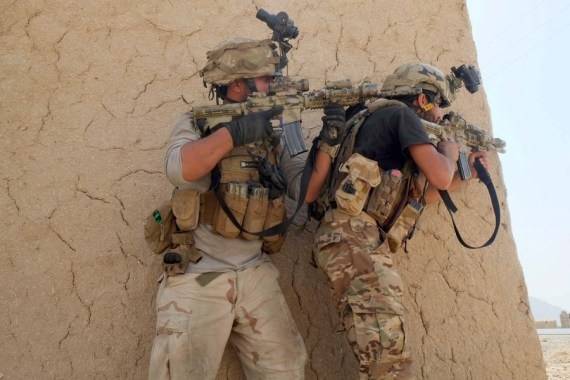
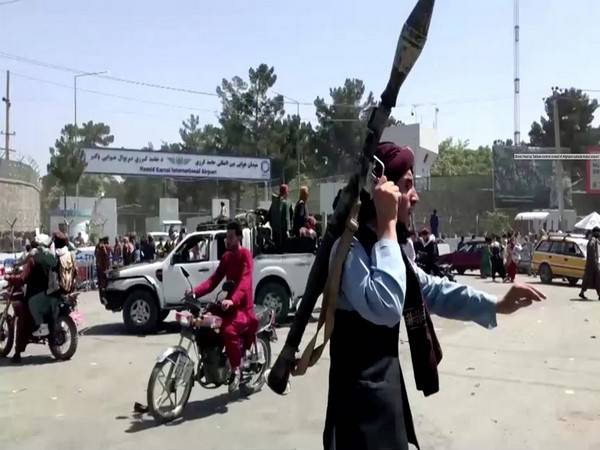
The Taliban have captured the US military’s biometric devices compromising crucial data of the US army and the local Afghans who played crucial roles during the war, a media report said on Wednesday.

The devices, known as HIIDE, for Handheld Interagency Identity Detection Equipment, were seized last week during the Taliban’s offensive, according to a Joint Special Operations Command official and three former US military personnel, all of whom worried that sensitive data they contain could be used by the Taliban, America’s The Intercept reported.

These devices contain iris scans, fingerprints, and biological information. These data are used to access larger databases. However, it remains unclear that how much data has been compromised.

These devices also contain biometric data of those Afghans who helped the US during the war. Now, the Taliban might use these data to identify and target innocent Afghans.
ALSO READ: Johnson, Biden agree on G7 meet over Afghanistan

“We processed thousands of locals a day, had to ID, sweep for suicide vests, weapons, intel gathering, etc.” a U.S. military contractor explained. “(HIIDE) was used as a biometric ID tool to help ID locals working for the coalition,” The Intercept quoted an unnamed US official as saying.

White House believes that the Taliban won’t return US weapons that it captured from Afghan forces, National Security Advisor (NSA) Jake Sullivan said on Tuesday.

Sullivan added that the Biden administration believes that a “fair amount” of the weapons that the US gave to Afghanistan are in the possession of the Taliban, and they don’t expect they will be returned to the US.

“We don’t have a complete picture, obviously, of where every article of defence materials has gone but certainly, a fair amount of it has fallen into the hands of the Taliban, and obviously, we don’t have a sense that they are going to readily hand it over to us at the airport,” he added.

The terror group took control over Afghanistan on Sunday after entering the presidential palace in Kabul. The Taliban leaders are discussing future government plans in Doha and are in touch with the international community and intra-Afghan parties to make government in Afghanistan.

The world is closely watching the unfolding situation in Afghanistan as the countries have scrambled to evacuate its citizen from Afghanistan in an attempt to secure their people. (ANI)

ALSO READ: Biden’s approval rating dips below 50%

ALSO READ: No intelligence failure in Afghanistan, says Biden

Previous Story

India, Vietnam carry out maritime drill in South China Sea

Next Story

India extends full support for annual climate meet

Previous Story

India, Vietnam carry out maritime drill in South China Sea

Next Story

India extends full support for annual climate meet

Latest from -Top News

Pakistan Risks Overstretching Itself in Yemen War

Pakistan’s expanding military role in Saudi Arabia amid the Yemen conflict could strain its defence resources and fragile finances…reports Asian Lite News Desk Pakistan’s military involvement in the war in Yemen may prove unsustainable because of mounting financial pressures and competing security demands, according to a new report. Islamabad’s growing military presence in Saudi Arabia risks stretching its defence resources while exposing the country to greater strategic and economic challenges. An article by Andrew Wilson in One World Outlook describes Pakistan’s involvement as a case of “fiscal and strategic overreach”, arguing that the country lacks the financial flexibility to sustain an expanded military commitment. Pakistan’s external finances depend heavily on an International Monetary Fund (IMF) programme, financial support from Gulf countries and remittances from Pakistani workers in the region. The report argues that deeper military involvement in the conflict could place additional pressure on these sources of financial stability. It also warns that deploying troops and military equipment abroad could weaken Pakistan’s capacity to address security challenges along its eastern border and deal with two domestic insurgencies. The move could also draw Islamabad into a conflict it has sought to approach cautiously. A Reuters report in May, citing Pakistani security and government sources, said Islamabad had deployed around 8,000 troops, a squadron of approximately 16 aircraft, mostly JF-17 fighter jets, two drone squadrons and a Chinese HQ-9 air-defence battery to Saudi Arabia. According to those sources, Riyadh was financing the deployment, with Pakistani personnel operating the equipment. The sources also said a confidential agreement contemplated the possibility of deploying up to 80,000 troops. Islamabad has not confirmed those figures, although it has acknowledged its military presence in Saudi Arabia, including the deployment of fighter jets at King Abdulaziz Air Base from April. The One World Outlook article argues that Saudi financial support can cover allowances and operating expenses but cannot easily replace military equipment needed elsewhere or resolve the political and strategic challenges of participating in the Yemen conflict. Pakistan’s defence budget is another concern. For the 2026-27 financial year, the federal government allocated PKR 3 trillion, or approximately $10.8 billion, to defence services. The allocation represents an 18 per cent increase from the original PKR 2.55 trillion provision and amounts to around 2.1 per cent of projected gross domestic product (GDP). Defence spending accounts for approximately 16 per cent of the federal government’s PKR 18.8 trillion expenditure. Military pensions are budgeted separately at PKR 822 billion, while debt servicing costs stand at approximately PKR 8 trillion, more than two-and-a-half times the defence allocation. The report argues that these competing financial obligations leave little room for additional military expenditure without placing further pressure on public finances. Pakistan’s reliance on IMF assistance also limits its fiscal flexibility. The country must meet the conditions attached to the programme, including a primary budget surplus target of 2 per cent of GDP and continued restraint on development spending. According to the article, these requirements make it difficult for Islamabad to finance an additional military commitment without compromising other budgetary priorities. Pakistan’s economic indicators offer limited reassurance. Economic growth for the 2025-26 financial year is estimated at between 3.6 and 3.7 per cent, while inflation reached approximately 10.3 per cent in September following an energy price shock. Foreign exchange reserves stood at around $21.5 billion at the end of September. Although this marks an improvement from the low levels recorded in 2023, the report notes that the reserves cover only a few months of imports. Financial assistance from Gulf partners remains central to Pakistan’s external stability. The article says Islamabad holds approximately $8 billion in Saudi deposits at its central bank. In July, the State Bank of Pakistan said Riyadh had extended the maturity of $5 billion in deposits to December 2028, easing the country’s immediate external financing requirements. A further $3 billion deposit was also extended in the spring. However, the article argues that these arrangements provide temporary relief rather than long-term financial independence, particularly as regional conflict threatens the stability of the Gulf economies on which Pakistan relies. The report concludes that Pakistan faces a difficult balance between supporting Saudi Arabia militarily and preserving the financial and military resources needed to address its domestic and regional challenges.
Go toTop

Don't Miss

FBI on hunt for Jan. 6 defendant who skipped court

The FBI is offering a $15,000 reward for information on

ADNOC Gas, GAIL India sign 10-year LNG deal

This agreement underscores ADNOC Gas’ growing global presence, particularly in