September 19, 2021
3 mins read

Union Coop to strengthen Emiratization

Union Coop affirms its commitment to increasing Emiratization rates in all its branches and centers…reports Asian Lite News

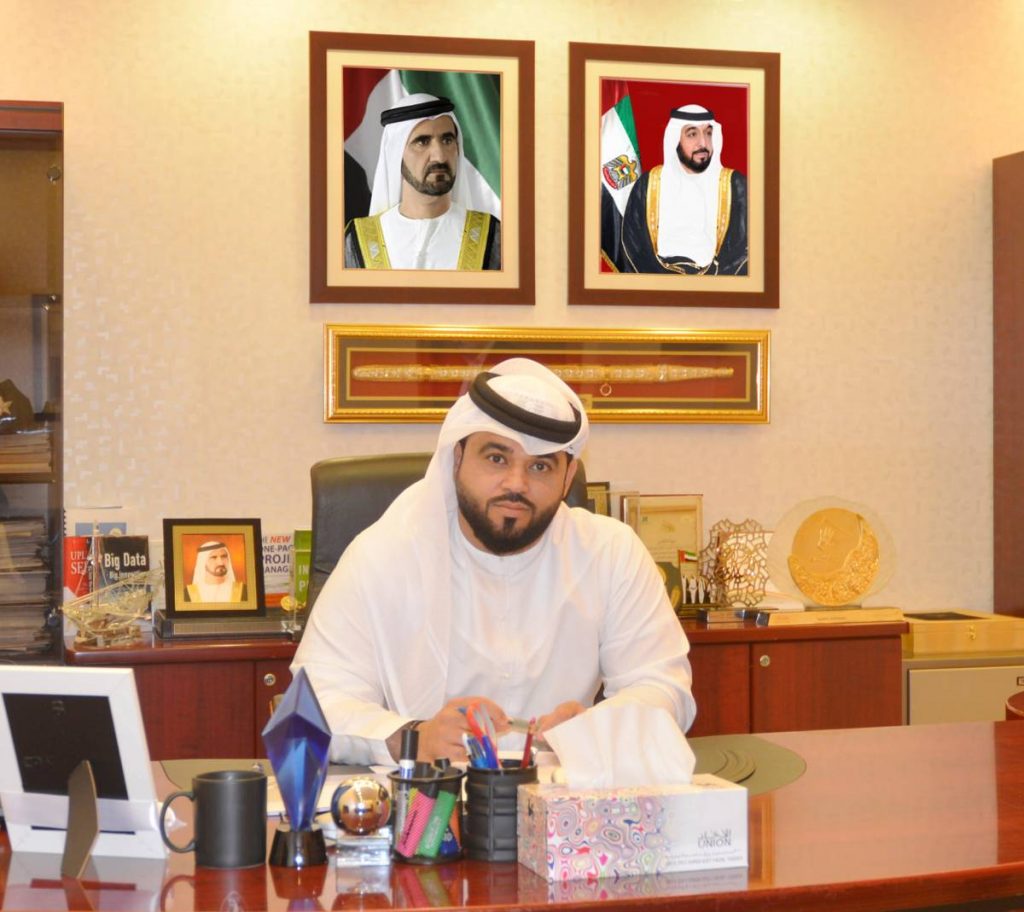
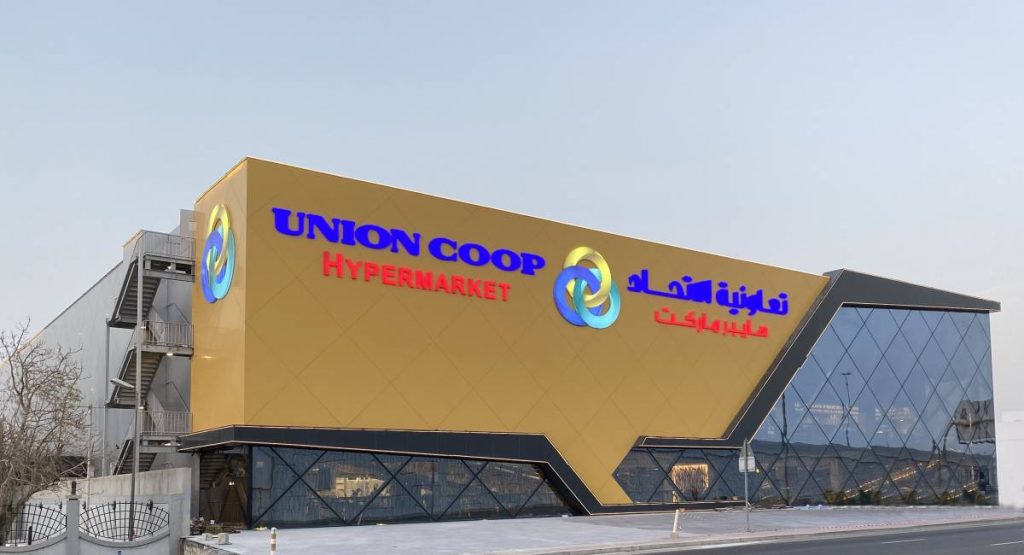
Union Coop – the largest consumer cooperative in the UAE, confirmed that it is committed to its strategic plan to increase the Emiratization rate in all its branches, centers and malls in Dubai, in order to achieve the directives of H.H. Sheikh Mohammed bin Rashid Al Maktoum, the Vice President and Prime Minister of the UAE, and ruler of Dubai, may Allah protect him, who recently said that providing jobs for Emiratis is a permanent priority in all sectors, and so is attracting and retaining the best national cadres, noting that the percentage of Emiratization of senior positions in Union Coop has reached more than 72% so far, as it has implemented many of the initiatives that attract qualified Emiratis.
Union Coop to strengthen Emiratization

 In detail, H.E. Khalid Humaid Bin Diban Al Falasi, CEO of Union Coop confirmed that Union Coop has made great strides in the field of Emiratization, based on the directives of the wise leadership of the country, and in support of enhancement of its wise future aspirations that are in the interest of the nation and its citizens, and the development of the skills of young Emiratis and their abilities to engage in the job market, pointing out that Union Coop seeks to recruit and train national cadres to support the march of success and excellence in the country, as ‘Emiratization’ is considered one of the most important strategic goals that it places at the forefront of its own individual goals as a leader in the field of retail trade.

He revealed the number of national employees working under the umbrella of the Union Coop, has reached 453 Emirati employees, as employment was not limited to just numbers, but rather sought to localize senior job positions, which reached more than 72% so far, because the best way to adopt the idea of Emiratization is to localize the jobs that have the decision. He continued: Union Coop has been able to occupy dominant positions in the private sector thanks to its provision of job opportunities for the Emirati youth, and jobs with clear and accurate descriptions that suit their academic qualifications, as the percentage of jobs that are subject to Emiratization after excluding expat employment has reached 37% so far, as a result of the dedicated efforts to attract qualified young Emiratis to work in Union Coop.

And he indicated that Union Coop is working to attract national candidates of all categories for many roles in some of its targeted professions, such as Cashier, Treasurer, Customer service coordinator, data entry, and in consumer happiness services, to ensure the fulfillment of job aspirations for national candidates, they have been educated, trained and guided, and offer an attractive work environment for them within its integrated system and in all its branches and centers spread in the Emirate of Dubai.

ALSO READ: UAE Cabinet approves ‘Principles of the 50’

He added that Union Coop has set Emiratization as a basic pillar and sought to achieve this goal through the implementation of several programs and projects to attract Emirati talents, including the open day recruitment events that target Emiratis, and increase the percentage of Emiratization for bachelor’s degree holders and a high school diploma holders, as it prepared itself with all seriousness to achieve this goal, by adopting a policy for Emiratization that is reviewed and updated periodically, indicating that it provides Emiratis with all the incentives that encourage them to enter the private sector.
Union Coop to strengthen Emiratization

Al Falasi called on Emirati job seekers to continue developing the skills required for jobs offered by the private sector, whether in Union Coop or other private companies, and to continuously develop self-affirmation and raise the name of the nation high, and to constantly search for opportunities in the private sector to meet its multiple needs and obligations, stressing that the need of correcting the youth’s view of working in the private sector, and the necessity of competing entities and companies in the private sector to compete in the process of Emiratization and attract national talent to contribute to creating sustainable job opportunities for them.

Previous Story

India sends 20 more passenger coaches to Sri Lanka

Next Story

Will bauxite giant Guinea also trouble India?

Previous Story

India sends 20 more passenger coaches to Sri Lanka

Next Story

Will bauxite giant Guinea also trouble India?

Latest from Arab News

pakistan Risks Overstretching Itself in Yemen War

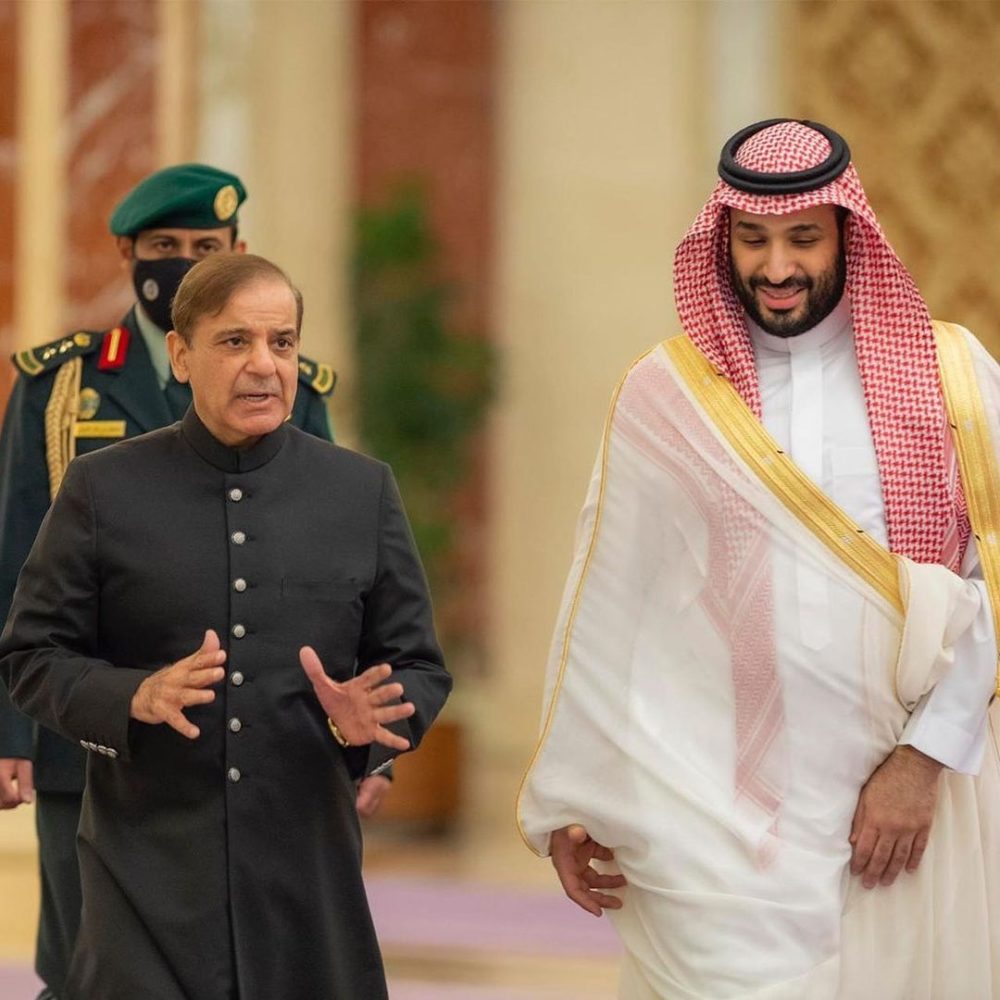
Pakistan’s expanding military role in Saudi Arabia amid the Yemen conflict could strain its defence resources and fragile finances…reports Asian Lite News Desk Pakistan’s military involvement in the war in Yemen may prove unsustainable because of mounting financial pressures and competing security demands, according to a new report. Islamabad’s growing military presence in Saudi Arabia risks stretching its defence resources while exposing the country to greater strategic and economic challenges. An article by Andrew Wilson in One World Outlook describes Pakistan’s involvement as a case of “fiscal and strategic overreach”, arguing that the country lacks the financial flexibility to sustain an expanded military commitment. Pakistan’s external finances depend heavily on an International Monetary Fund (IMF) programme, financial support from Gulf countries and remittances from Pakistani workers in the region. The report argues that deeper military involvement in the conflict could place additional pressure on these sources of financial stability. It also warns that deploying troops and military equipment abroad could weaken Pakistan’s capacity to address security challenges along its eastern border and deal with two domestic insurgencies. The move could also draw Islamabad into a conflict it has sought to approach cautiously. A Reuters report in May, citing Pakistani security and government sources, said Islamabad had deployed around 8,000 troops, a squadron of approximately 16 aircraft, mostly JF-17 fighter jets, two drone squadrons and a Chinese HQ-9 air-defence battery to Saudi Arabia. According to those sources, Riyadh was financing the deployment, with Pakistani personnel operating the equipment. The sources also said a confidential agreement contemplated the possibility of deploying up to 80,000 troops. Islamabad has not confirmed those figures, although it has acknowledged its military presence in Saudi Arabia, including the deployment of fighter jets at King Abdulaziz Air Base from April. The One World Outlook article argues that Saudi financial support can cover allowances and operating expenses but cannot easily replace military equipment needed elsewhere or resolve the political and strategic challenges of participating in the Yemen conflict. Pakistan’s defence budget is another concern. For the 2026-27 financial year, the federal government allocated PKR 3 trillion, or approximately $10.8 billion, to defence services. The allocation represents an 18 per cent increase from the original PKR 2.55 trillion provision and amounts to around 2.1 per cent of projected gross domestic product (GDP). Defence spending accounts for approximately 16 per cent of the federal government’s PKR 18.8 trillion expenditure. Military pensions are budgeted separately at PKR 822 billion, while debt servicing costs stand at approximately PKR 8 trillion, more than two-and-a-half times the defence allocation. The report argues that these competing financial obligations leave little room for additional military expenditure without placing further pressure on public finances. Pakistan’s reliance on IMF assistance also limits its fiscal flexibility. The country must meet the conditions attached to the programme, including a primary budget surplus target of 2 per cent of GDP and continued restraint on development spending. According to the article, these requirements make it difficult for Islamabad to finance an additional military commitment without compromising other budgetary priorities. Pakistan’s economic indicators offer limited reassurance. Economic growth for the 2025-26 financial year is estimated at between 3.6 and 3.7 per cent, while inflation reached approximately 10.3 per cent in September following an energy price shock. Foreign exchange reserves stood at around $21.5 billion at the end of September. Although this marks an improvement from the low levels recorded in 2023, the report notes that the reserves cover only a few months of imports. Financial assistance from Gulf partners remains central to Pakistan’s external stability. The article says Islamabad holds approximately $8 billion in Saudi deposits at its central bank. In July, the State Bank of Pakistan said Riyadh had extended the maturity of $5 billion in deposits to December 2028, easing the country’s immediate external financing requirements. A further $3 billion deposit was also extended in the spring. However, the article argues that these arrangements provide temporary relief rather than long-term financial independence, particularly as regional conflict threatens the stability of the Gulf economies on which Pakistan relies. The report concludes that Pakistan faces a difficult balance between supporting Saudi Arabia militarily and preserving the financial and military resources needed to address its domestic and regional challenges.

Houthis Claim Missile Strike on Riyadh Airport

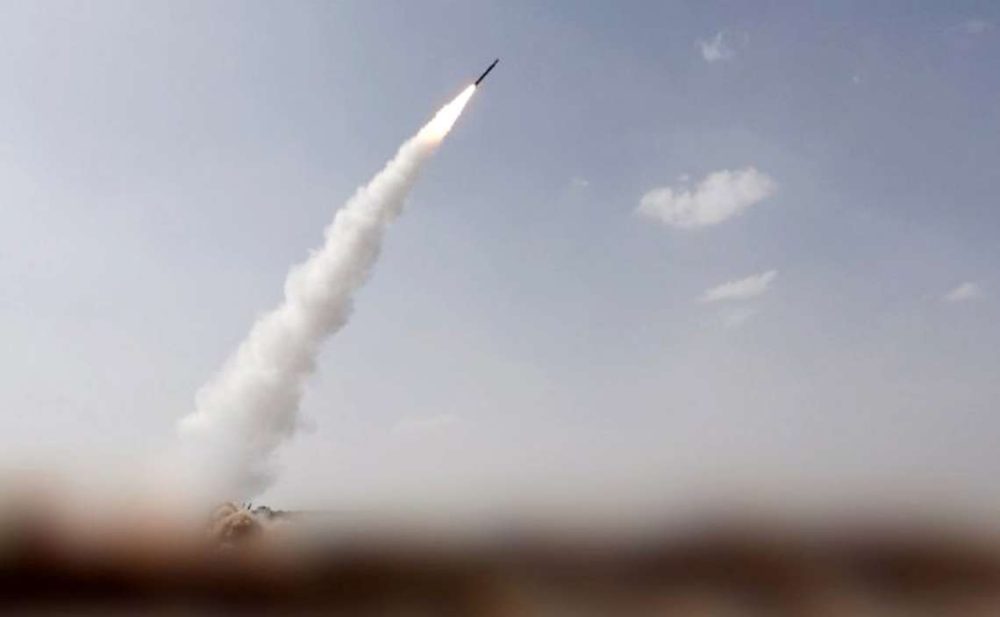
Yemen’s Houthi group claims a ballistic missile struck Riyadh’s King Khalid International Airport, with Saudi authorities yet to confirm the latest attack…reports Asian Lite News Desk Yemen’s Houthi group has claimed responsibility

Saudi Arabia to receive forces under Mecca Defence Alliance

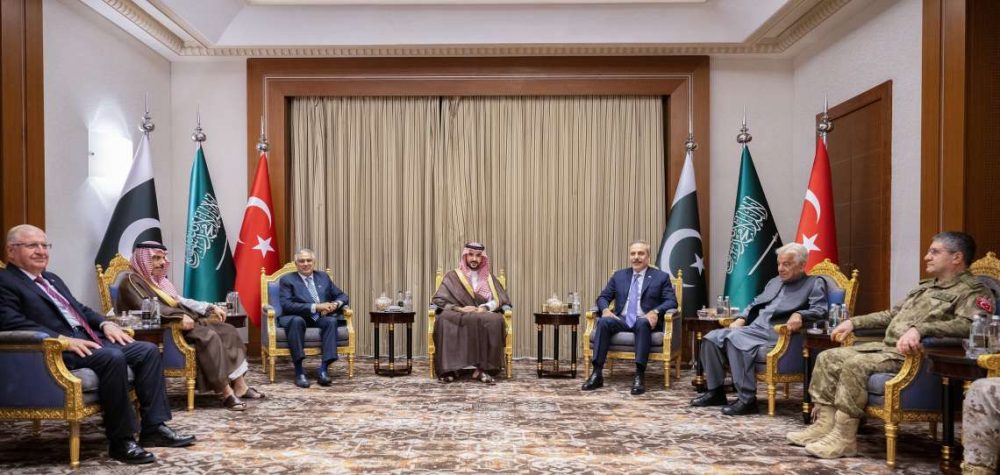
Saudi Arabia, Pakistan and Turkiye have activated collective-defence commitments, agreeing to deploy military capabilities as regional tensions and threats against the Kingdom persist…reports Asian Lite News Desk Saudi Arabia, Pakistan and Turkiye

India-UAE Trade Ties in Focus

India and the UAE have discussed expanding bilateral trade, investment and business partnerships amid broader economic cooperation…reports Asian Lite News Desk India and the United Arab Emirates (UAE) discussed ways to further
Go toTop

Don't Miss

Emiratisation Targets Activated For 12K More Companies

The Ministry recently notified, via its digital system, more than

Gujarat CM explores collaborations with UAE in Green Tech

Expressing enthusiasm for the potential collaboration, Chief Minister Patel stated,