April 12, 2023
3 mins read

Labour puts up ads targeting UK PM, wife

Shadow chancellor Rachel Reeves said she was “not going to make any apologies” for the ad campaign…reports Asian Lite News

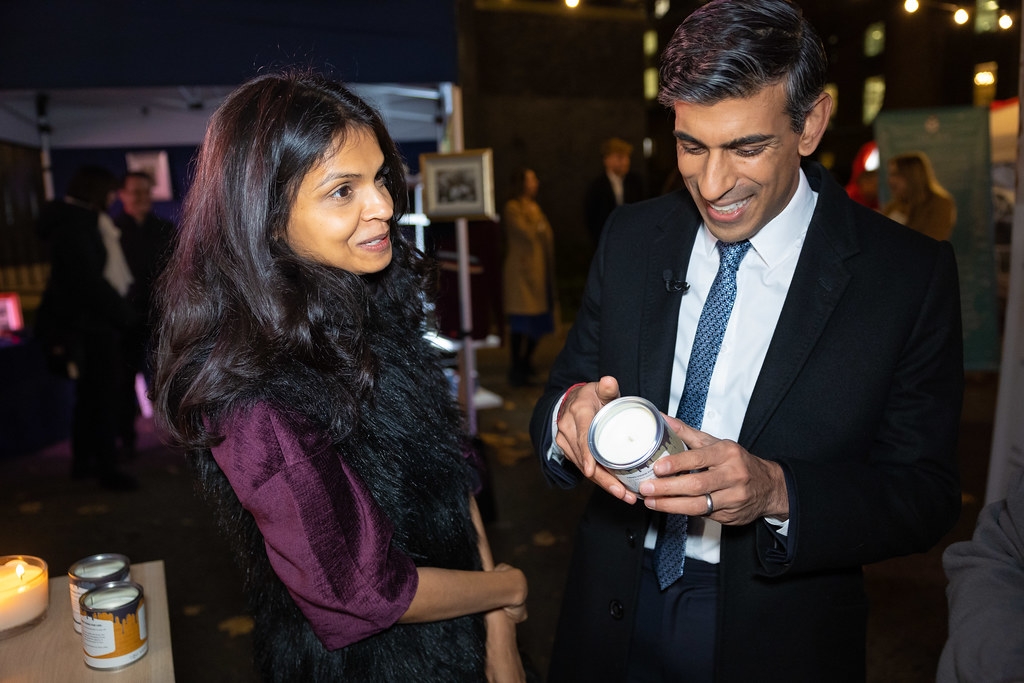
Labour Party has been gearing up for the upcoming local elections for councils across England next month with sharply worded social media advertisements targeting Prime Minister Rishi Sunak’s track record, with the latest one on Tuesday alluding to his wife Akshata Murty’s past tax status.

The campaign, seen as a precursor to the general election expected next year, has become heated with Labour accusing Mr Sunak and the governing Conservative Party of being responsible for the tough consequences of the cost-of-living crisis on voters.

In an apparent reference to Ms Murty’s now-relinquished non-domicile (non-dom) tax status allowing her to pay taxes on her shares from Infosys – co-founded by her father Narayana Murthy – in India, the latest Labour campaign advert takes aim at the “loophole” which it has committed to abolish if elected.

It reads: “Do you think it’s right to raise taxes for working people when your family benefitted from a tax loophole? Rishi Sunak does.”

“A Labour government would freeze council tax this year, paid for by a proper windfall tax on oil and gas giants. And we’d scrap the Tories’ non-dom tax loophole,” the Labour Party said in a statement.

The controversial ad campaign began last week, with the first reading: “Do you think adults convicted of sexually assaulting children should go to prison? Rishi Sunak doesn’t.”

 It cited data from the UK Ministry of Justice showing that 4,500 adults convicted of sex acts on children avoided a prison sentence since the Conservatives came to power in 2010. Despite the ensuing backlash that came from across the political spectrum, Labour issued a second tweet which accused Mr Sunak of being soft on gun crime and a third which suggested he didn’t think thieves should be punished.

In a letter to his shadow cabinet, seen by ‘Sky News’, Labour Leader Sir Keir Starmer appears defiant on this poll strategy, which analysts believe indicates the first signs of a bruising general election campaign ahead.

“Rishi Sunak is the chief architect of choices prioritising the wealthiest and of the government’s failure to get a grip of the economy and get growth going,” reads Starmer’s letter to his top team.

Shadow chancellor Rachel Reeves said she was “not going to make any apologies” for the ad campaign.

“I back these ads because they are highlighting the dire record of this Conservative government,” said Reeves.

“Whether it’s the justice system, our health service, the cost of living pressures that people are under, this is a result of 13 years of Conservative failure and as an Opposition party we have got to highlight that and put forward our alternative,” she said.

However, the campaign has been criticised by others in the Opposition, with Liberal Democrat leader Sir Ed Davey saying it was wrong to attack “individuals personally”.

“Frankly, the local elections should be about issues that matter to people, whether it’s sewage in the local environment and rivers, whether it’s investing in our NHS [National Health Service, whether it’s policies to deal with the cost-of-living crisis, that’s what the Liberal Democrats are campaigning on,” he said.

England goes to the polls on May 4 to elect councillors up and down the country. A voting intention poll this week by Redfield and Wilton Strategies showed that Labour is on 44 per cent, while the Conservatives are on 30 per cent – which marks Labour’s narrowest lead over the Tories since Sunak took charge at 10 Downing Street in October 2022.

Local elections ahead of a general election year are often seen as a sign of things to come but the governing Tories remain confident about narrowing the gap over the next few months with falling inflation.

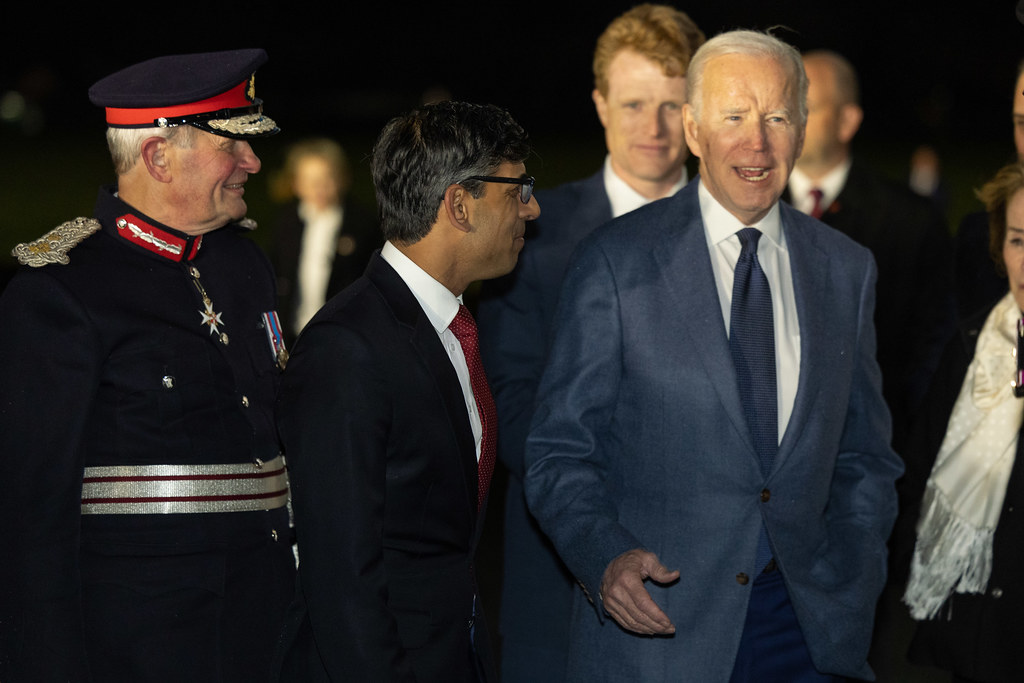
ALSO READ-Biden to meet Sunak before Belfast speech

Previous Story

Biden to meet Sunak before Belfast speech

Next Story

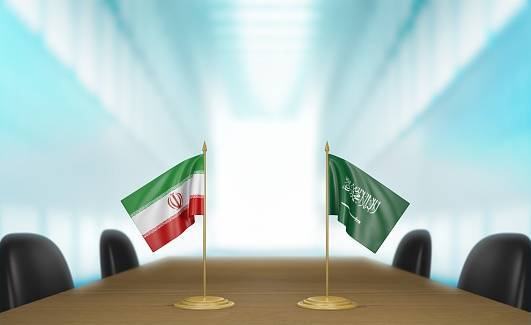
Iran sets target of trade with Saudi at $1bn

Previous Story

Biden to meet Sunak before Belfast speech

Next Story

Iran sets target of trade with Saudi at $1bn

Latest from -Top News

Pakistan Risks Overstretching Itself in Yemen War

Pakistan’s expanding military role in Saudi Arabia amid the Yemen conflict could strain its defence resources and fragile finances…reports Asian Lite News Desk Pakistan’s military involvement in the war in Yemen may prove unsustainable because of mounting financial pressures and competing security demands, according to a new report. Islamabad’s growing military presence in Saudi Arabia risks stretching its defence resources while exposing the country to greater strategic and economic challenges. An article by Andrew Wilson in One World Outlook describes Pakistan’s involvement as a case of “fiscal and strategic overreach”, arguing that the country lacks the financial flexibility to sustain an expanded military commitment. Pakistan’s external finances depend heavily on an International Monetary Fund (IMF) programme, financial support from Gulf countries and remittances from Pakistani workers in the region. The report argues that deeper military involvement in the conflict could place additional pressure on these sources of financial stability. It also warns that deploying troops and military equipment abroad could weaken Pakistan’s capacity to address security challenges along its eastern border and deal with two domestic insurgencies. The move could also draw Islamabad into a conflict it has sought to approach cautiously. A Reuters report in May, citing Pakistani security and government sources, said Islamabad had deployed around 8,000 troops, a squadron of approximately 16 aircraft, mostly JF-17 fighter jets, two drone squadrons and a Chinese HQ-9 air-defence battery to Saudi Arabia. According to those sources, Riyadh was financing the deployment, with Pakistani personnel operating the equipment. The sources also said a confidential agreement contemplated the possibility of deploying up to 80,000 troops. Islamabad has not confirmed those figures, although it has acknowledged its military presence in Saudi Arabia, including the deployment of fighter jets at King Abdulaziz Air Base from April. The One World Outlook article argues that Saudi financial support can cover allowances and operating expenses but cannot easily replace military equipment needed elsewhere or resolve the political and strategic challenges of participating in the Yemen conflict. Pakistan’s defence budget is another concern. For the 2026-27 financial year, the federal government allocated PKR 3 trillion, or approximately $10.8 billion, to defence services. The allocation represents an 18 per cent increase from the original PKR 2.55 trillion provision and amounts to around 2.1 per cent of projected gross domestic product (GDP). Defence spending accounts for approximately 16 per cent of the federal government’s PKR 18.8 trillion expenditure. Military pensions are budgeted separately at PKR 822 billion, while debt servicing costs stand at approximately PKR 8 trillion, more than two-and-a-half times the defence allocation. The report argues that these competing financial obligations leave little room for additional military expenditure without placing further pressure on public finances. Pakistan’s reliance on IMF assistance also limits its fiscal flexibility. The country must meet the conditions attached to the programme, including a primary budget surplus target of 2 per cent of GDP and continued restraint on development spending. According to the article, these requirements make it difficult for Islamabad to finance an additional military commitment without compromising other budgetary priorities. Pakistan’s economic indicators offer limited reassurance. Economic growth for the 2025-26 financial year is estimated at between 3.6 and 3.7 per cent, while inflation reached approximately 10.3 per cent in September following an energy price shock. Foreign exchange reserves stood at around $21.5 billion at the end of September. Although this marks an improvement from the low levels recorded in 2023, the report notes that the reserves cover only a few months of imports. Financial assistance from Gulf partners remains central to Pakistan’s external stability. The article says Islamabad holds approximately $8 billion in Saudi deposits at its central bank. In July, the State Bank of Pakistan said Riyadh had extended the maturity of $5 billion in deposits to December 2028, easing the country’s immediate external financing requirements. A further $3 billion deposit was also extended in the spring. However, the article argues that these arrangements provide temporary relief rather than long-term financial independence, particularly as regional conflict threatens the stability of the Gulf economies on which Pakistan relies. The report concludes that Pakistan faces a difficult balance between supporting Saudi Arabia militarily and preserving the financial and military resources needed to address its domestic and regional challenges.

UK and Germany Ratify Kensington Treaty

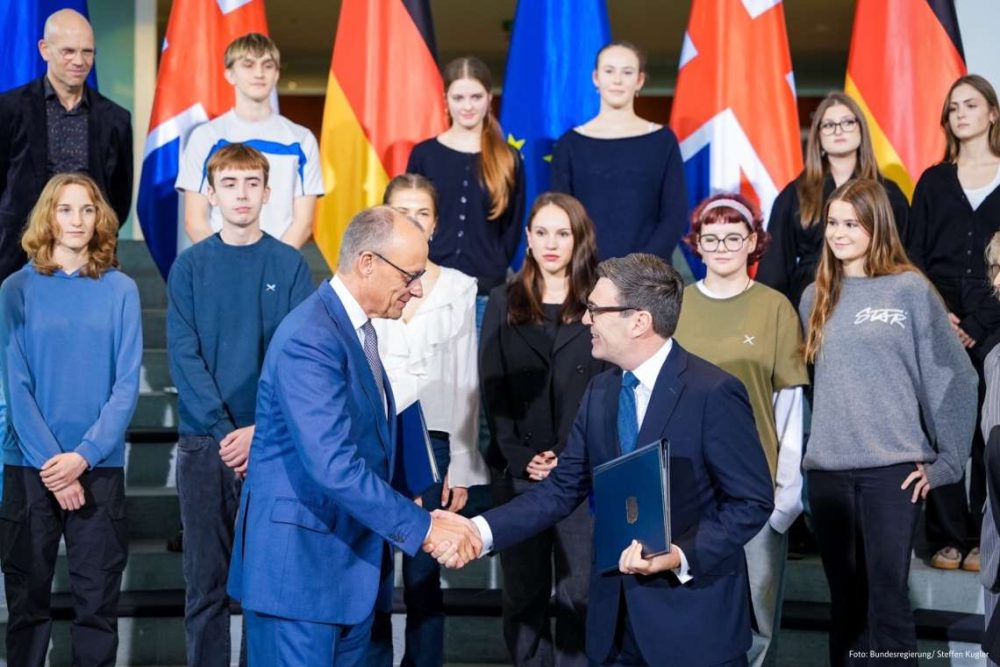
Britain and Germany ratify the Kensington Treaty, agreeing new cooperation on AI, quantum research, defence and security while targeting investment, jobs and Russian hybrid threats…reports Asian Lite News Desk Britain and Germany

Economic tide is turning in Bangladesh

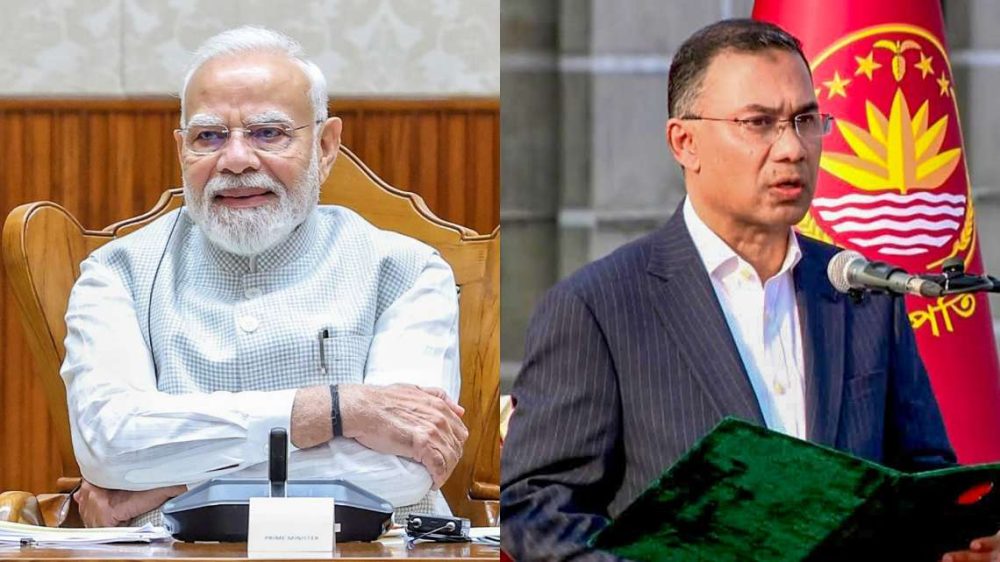
If there is one thing that can bring some comfort to the struggling Bangladeshi economy, it is good relations with India. Bangladesh should remember that Delhi’s backing, through easy supplies of essentials
Go toTop

Don't Miss

Carbon tax stalls UK free trade talks with India

India has opposed measures such as CBAM and has called

Four held for trespassing Sunak’s home

In a separate incident, a motorist crashed into the gates