May 26, 2023
3 mins read

Oath Keepers founder gets 18 yrs in jail over US Capitol riot

While prosecutors had demanded for 25 years, this is the longest prison sentence yet given to a Capitol rioter….reports Asian Lite News

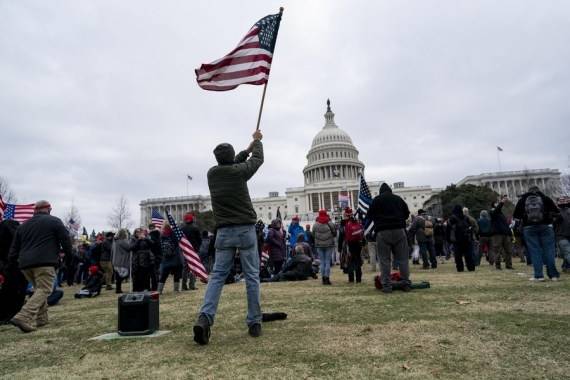
Stewart Rhodes, founder of the far-right militia group Oath Keepers, has been sentenced to 18 years in prison over his role in the January 6, 2021 US Capitol riot.

While prosecutors had demanded for 25 years, this is the longest prison sentence yet given to a Capitol rioter.

Along with Rhodes, who was convicted on charges of seditious conspiracy and other crimes, a second Oath Keepers member, Kelly Meggs was also sentenced to 12 years in prison.

Thursday’s sentences are the first handed down in over a decade for seditious conspiracy in the US.

“What we absolutely cannot have is a group of citizens who — because they did not like the outcome of an election, who did not believe the law was followed as it should be — foment revolution,” CNN quoted District Judge Amit Mehta as saying before handing down the sentence.

“That is what you did. I dare say, Mr. Rhodes — and I never have said this to anyone I have sentenced — you pose an ongoing threat and peril to our democracy and the fabric of this country.

“I dare say we all now hold our collective breaths when an election is approaching. Will we have another January 6 again? That remains to be seen,” he added

Judge Mehta said Rhodes, the 58-year-old former US Army paratrooper and Yale-educated lawyer, expressed no remorse and continues to be a threat.

“A seditious conspiracy, when you take those two concepts and put it together, is among the most serious crimes an American can commit. It is an offence against the government to use force. It is an offence against the people of our country.”

Earlier on Thursday, Mehta ruled that Rhodes’ actions amounted to domestic terrorism.

“He was the one giving the orders. He was the one organising the teams that day. He was the reason they were in fact in Washington D.C. Oath Keepers wouldn’t have been there but for Stewart Rhodes, I don’t think anyone contends otherwise. He was the one who gave the order to go, and they went.”

At the hearing, Rhodes claimed he was a “political prisoner” and insisted that the Oath Keepers were standing in opposition to people “who are destroying our country”, the BBC reported.

Rhodes founded the Oath Keepers in 2009. He began a campaign to reject the results of the election two days after the November 2020 vote, while ballots were still being counted.

Armed members of the anti-government group showed up at a number of protests and standoffs, and eventually became staunch supporters of former US President Donald Trump.

Dozens were present at the riot.

In January this year, four other Oath Keepers were convicted of seditious conspiracy and four members of the far-right Proud Boys were convicted on the charge earlier this month.

In total, more than 1,000 people have been arrested in connection with the riot, and more than half have pleaded guilty to crimes including assault, theft, weapons charges, trespassing and obstructing an official proceeding.

Around 80 have been found guilty following a trial, according to the US Justice Department.
ALSO READ: US approves $285 mn sale of air defence system to Ukraine

Previous Story

EVENT: 9th Annual Birmingham Thyagaraja Festival

Next Story

Russia ousts 5 Swedish diplomats

Previous Story

EVENT: 9th Annual Birmingham Thyagaraja Festival

Next Story

Russia ousts 5 Swedish diplomats

Latest from -Top News

Pakistan Risks Overstretching Itself in Yemen War

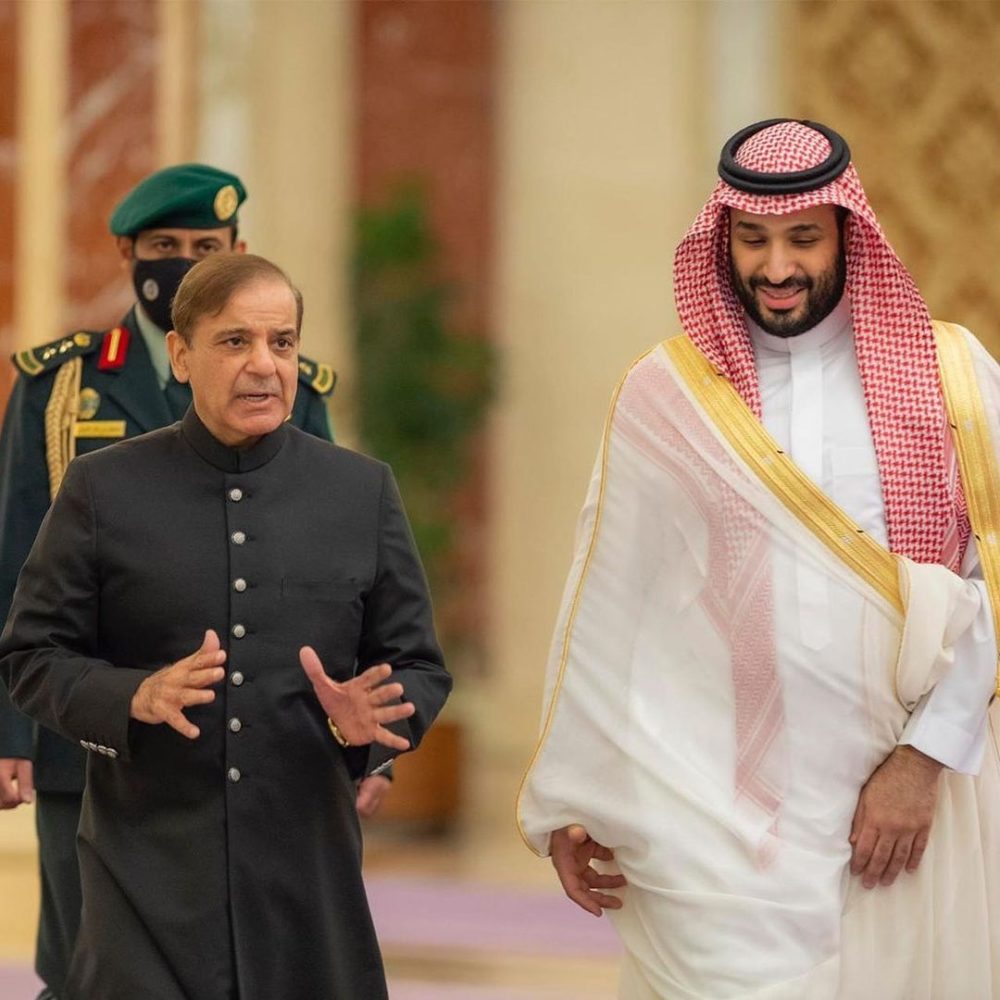
Pakistan’s expanding military role in Saudi Arabia amid the Yemen conflict could strain its defence resources and fragile finances…reports Asian Lite News Desk Pakistan’s military involvement in the war in Yemen may prove unsustainable because of mounting financial pressures and competing security demands, according to a new report. Islamabad’s growing military presence in Saudi Arabia risks stretching its defence resources while exposing the country to greater strategic and economic challenges. An article by Andrew Wilson in One World Outlook describes Pakistan’s involvement as a case of “fiscal and strategic overreach”, arguing that the country lacks the financial flexibility to sustain an expanded military commitment. Pakistan’s external finances depend heavily on an International Monetary Fund (IMF) programme, financial support from Gulf countries and remittances from Pakistani workers in the region. The report argues that deeper military involvement in the conflict could place additional pressure on these sources of financial stability. It also warns that deploying troops and military equipment abroad could weaken Pakistan’s capacity to address security challenges along its eastern border and deal with two domestic insurgencies. The move could also draw Islamabad into a conflict it has sought to approach cautiously. A Reuters report in May, citing Pakistani security and government sources, said Islamabad had deployed around 8,000 troops, a squadron of approximately 16 aircraft, mostly JF-17 fighter jets, two drone squadrons and a Chinese HQ-9 air-defence battery to Saudi Arabia. According to those sources, Riyadh was financing the deployment, with Pakistani personnel operating the equipment. The sources also said a confidential agreement contemplated the possibility of deploying up to 80,000 troops. Islamabad has not confirmed those figures, although it has acknowledged its military presence in Saudi Arabia, including the deployment of fighter jets at King Abdulaziz Air Base from April. The One World Outlook article argues that Saudi financial support can cover allowances and operating expenses but cannot easily replace military equipment needed elsewhere or resolve the political and strategic challenges of participating in the Yemen conflict. Pakistan’s defence budget is another concern. For the 2026-27 financial year, the federal government allocated PKR 3 trillion, or approximately $10.8 billion, to defence services. The allocation represents an 18 per cent increase from the original PKR 2.55 trillion provision and amounts to around 2.1 per cent of projected gross domestic product (GDP). Defence spending accounts for approximately 16 per cent of the federal government’s PKR 18.8 trillion expenditure. Military pensions are budgeted separately at PKR 822 billion, while debt servicing costs stand at approximately PKR 8 trillion, more than two-and-a-half times the defence allocation. The report argues that these competing financial obligations leave little room for additional military expenditure without placing further pressure on public finances. Pakistan’s reliance on IMF assistance also limits its fiscal flexibility. The country must meet the conditions attached to the programme, including a primary budget surplus target of 2 per cent of GDP and continued restraint on development spending. According to the article, these requirements make it difficult for Islamabad to finance an additional military commitment without compromising other budgetary priorities. Pakistan’s economic indicators offer limited reassurance. Economic growth for the 2025-26 financial year is estimated at between 3.6 and 3.7 per cent, while inflation reached approximately 10.3 per cent in September following an energy price shock. Foreign exchange reserves stood at around $21.5 billion at the end of September. Although this marks an improvement from the low levels recorded in 2023, the report notes that the reserves cover only a few months of imports. Financial assistance from Gulf partners remains central to Pakistan’s external stability. The article says Islamabad holds approximately $8 billion in Saudi deposits at its central bank. In July, the State Bank of Pakistan said Riyadh had extended the maturity of $5 billion in deposits to December 2028, easing the country’s immediate external financing requirements. A further $3 billion deposit was also extended in the spring. However, the article argues that these arrangements provide temporary relief rather than long-term financial independence, particularly as regional conflict threatens the stability of the Gulf economies on which Pakistan relies. The report concludes that Pakistan faces a difficult balance between supporting Saudi Arabia militarily and preserving the financial and military resources needed to address its domestic and regional challenges.
Go toTop

Don't Miss

‘China using spam networks to influence US polls’

US officials have repeatedly cast China as a major threat

US lawmaker pitches for CAATSA sanctions waiver to India

Khanna’s legislation calls upon the US to “take additional steps