June 28, 2024
2 mins read

CCP expels 2 ex-defence ministers in anti-corruption crackdown

The two expelled ex-ministers are Defence Minister Li Shangfu, who was sacked last year after going missing, and his predecessor Wei Fenghe….reports Asian Lite News

Chinese Communist Party, the ruling party in the country has expelled two former defence ministers as part of an ‘anti-corruption crackdown’, Al Jazeera reported citing state media.

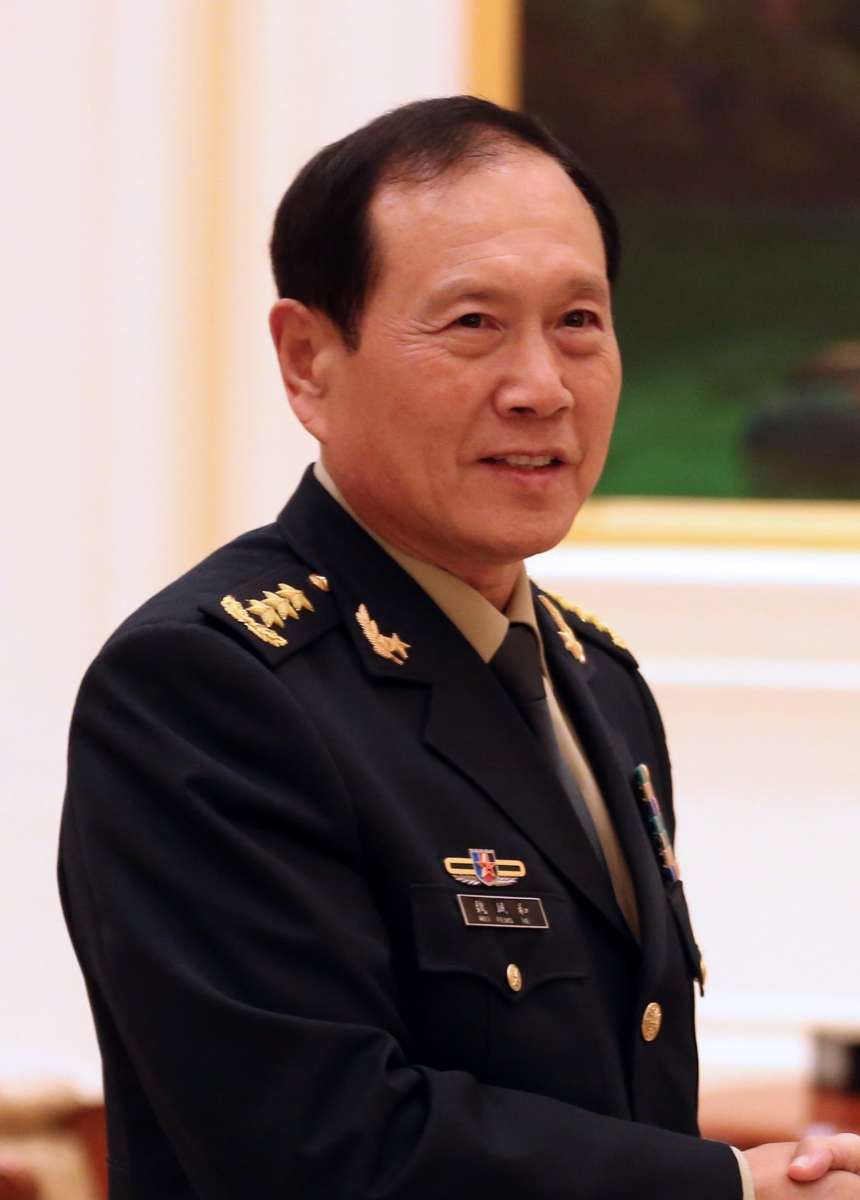
The two expelled ex-ministers are Defence Minister Li Shangfu, who was sacked last year after going missing, and his predecessor Wei Fenghe.

The expulsion of Li and predecessor Wei Fenghe for “serious violation of party discipline and the law” was reported by the official news agency Xinhua on Thursday, the purge coming at a time of increasing tension between China and the United States over the fate of Taiwan.
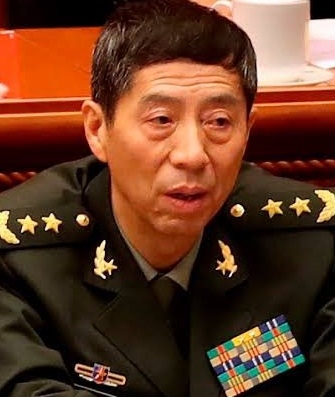
General Li Shangfu. (Photo:Twittre)

Li was removed in October 2023 after only a few months in office following his disappearance from public view for almost two months. Xinhua reported that his case had been referred to military prosecutors, potentially setting up a trial that could lead to him getting life in prison.

The party’s powerful Politburo of senior leaders convened on Thursday to review Li’s status. They ruled that Li had “betrayed his original mission and lost his party spirit and principles”, according to state broadcaster CCTV.

Li is alleged to have “seriously polluted the political environment and industrial ethos in the field of military equipment, and caused great damage to the party’s cause, national defence and the construction of the armed forces.”

The former defence minister was also accused of bribery, suspected of “taking advantage of his position and taking huge sums of money to seek benefits for others … and giving money to others to seek inappropriate benefits”, said CCTV.

Wei, who retired as defence minister in 2023 after five years in office, was accused of accepting money and gifts in violation of the rules and taking advantage of his post to seek benefits for others, accepting money and valuables in return, according to Xinhua.

Wei’s case has also been referred to military prosecutors.

Chinese President Xi Jinping, who is also party’s leader and heads the armed forces as chairman of the Central Military Commission, has made the fight against corruption a hallmark of his rule since taking power more than a decade ago, Al Jazeera reported.

However, insiders have alleged a widespread purge of officers suspected of conspiring with outside forces or simply being insufficiently loyal to Xi. High-ranking officers occupy an elevated position in Chinese politics and can command extensive privileges.

Meanwhile, the CCP is set to hold a highly anticipated meeting on July 15-18, focusing on future strategies amid rising geopolitical tensions over tariff hikes by the US and the European Union. (ANI)

ALSO READ: CPEC – A bane for China?

Previous Story

Baloch rights group stages protests in Germany

Next Story

Opposition cautions Nepal government on BRI loans

Previous Story

Baloch rights group stages protests in Germany

Next Story

Opposition cautions Nepal government on BRI loans

Latest from -Top News

Pakistan Risks Overstretching Itself in Yemen War

Pakistan’s expanding military role in Saudi Arabia amid the Yemen conflict could strain its defence resources and fragile finances…reports Asian Lite News Desk Pakistan’s military involvement in the war in Yemen may prove unsustainable because of mounting financial pressures and competing security demands, according to a new report. Islamabad’s growing military presence in Saudi Arabia risks stretching its defence resources while exposing the country to greater strategic and economic challenges. An article by Andrew Wilson in One World Outlook describes Pakistan’s involvement as a case of “fiscal and strategic overreach”, arguing that the country lacks the financial flexibility to sustain an expanded military commitment. Pakistan’s external finances depend heavily on an International Monetary Fund (IMF) programme, financial support from Gulf countries and remittances from Pakistani workers in the region. The report argues that deeper military involvement in the conflict could place additional pressure on these sources of financial stability. It also warns that deploying troops and military equipment abroad could weaken Pakistan’s capacity to address security challenges along its eastern border and deal with two domestic insurgencies. The move could also draw Islamabad into a conflict it has sought to approach cautiously. A Reuters report in May, citing Pakistani security and government sources, said Islamabad had deployed around 8,000 troops, a squadron of approximately 16 aircraft, mostly JF-17 fighter jets, two drone squadrons and a Chinese HQ-9 air-defence battery to Saudi Arabia. According to those sources, Riyadh was financing the deployment, with Pakistani personnel operating the equipment. The sources also said a confidential agreement contemplated the possibility of deploying up to 80,000 troops. Islamabad has not confirmed those figures, although it has acknowledged its military presence in Saudi Arabia, including the deployment of fighter jets at King Abdulaziz Air Base from April. The One World Outlook article argues that Saudi financial support can cover allowances and operating expenses but cannot easily replace military equipment needed elsewhere or resolve the political and strategic challenges of participating in the Yemen conflict. Pakistan’s defence budget is another concern. For the 2026-27 financial year, the federal government allocated PKR 3 trillion, or approximately $10.8 billion, to defence services. The allocation represents an 18 per cent increase from the original PKR 2.55 trillion provision and amounts to around 2.1 per cent of projected gross domestic product (GDP). Defence spending accounts for approximately 16 per cent of the federal government’s PKR 18.8 trillion expenditure. Military pensions are budgeted separately at PKR 822 billion, while debt servicing costs stand at approximately PKR 8 trillion, more than two-and-a-half times the defence allocation. The report argues that these competing financial obligations leave little room for additional military expenditure without placing further pressure on public finances. Pakistan’s reliance on IMF assistance also limits its fiscal flexibility. The country must meet the conditions attached to the programme, including a primary budget surplus target of 2 per cent of GDP and continued restraint on development spending. According to the article, these requirements make it difficult for Islamabad to finance an additional military commitment without compromising other budgetary priorities. Pakistan’s economic indicators offer limited reassurance. Economic growth for the 2025-26 financial year is estimated at between 3.6 and 3.7 per cent, while inflation reached approximately 10.3 per cent in September following an energy price shock. Foreign exchange reserves stood at around $21.5 billion at the end of September. Although this marks an improvement from the low levels recorded in 2023, the report notes that the reserves cover only a few months of imports. Financial assistance from Gulf partners remains central to Pakistan’s external stability. The article says Islamabad holds approximately $8 billion in Saudi deposits at its central bank. In July, the State Bank of Pakistan said Riyadh had extended the maturity of $5 billion in deposits to December 2028, easing the country’s immediate external financing requirements. A further $3 billion deposit was also extended in the spring. However, the article argues that these arrangements provide temporary relief rather than long-term financial independence, particularly as regional conflict threatens the stability of the Gulf economies on which Pakistan relies. The report concludes that Pakistan faces a difficult balance between supporting Saudi Arabia militarily and preserving the financial and military resources needed to address its domestic and regional challenges.
Go toTop