January 17, 2025
4 mins read

Solar energy booms in UAE with key projects 

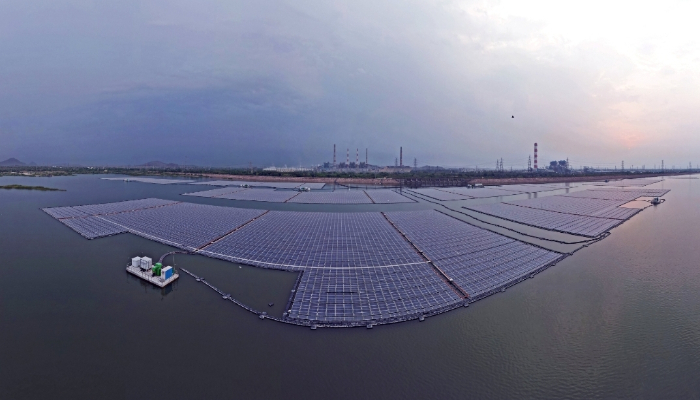
The UAE cements its leadership in solar energy with groundbreaking initiatives like the Dubai Clean Energy Strategy 2050 and Abu Dhabi Vision 2030, driving regional growth and innovation in renewable energy while setting ambitious clean energy targets. 


A new report highlighted the UAE’s leadership in the regional solar energy sector, driven by initiatives like the Dubai Clean Energy Strategy 2050, targeting 75 percent clean energy by 2050, and Abu Dhabi Vision 2030, aiming for 30 percent renewable energy within five years. 

The “Solar Outlook Report 2025” report, launched by the Middle East Solar Industry Association (MESIA) during the World Future Energy Summit 2025 in Abu Dhabi, outlines the rapid growth of solar energy in the Middle East and North Africa (MENA) region and the UAE’s key role in this transformation. 

Solar energy’s share in the regional energy mix grew significantly, with solar capacity in MENA rising 23 percent in 2023 to 32 gigawatts (GW) peak, and projected to exceed 180 GW peak by 2030. Growth is driven by technological advancements, government support, and private sector investment. 

The report highlights the adoption of innovative technologies like digital twins and automated cleaning systems, which have enhanced solar plant performance, increased energy output, and reduced costs. Advances in energy storage and automated operations are addressing challenges in expanding solar portfolios. 

Green hydrogen is identified as a fast-growing sector, with MENA’s abundant solar and wind resources offering a competitive edge in production. Despite challenges such as funding and infrastructure, the region’s commitment and market advancements are unlocking new opportunities. 

Efforts to localise solar manufacturing and reduce reliance on external suppliers are essential for long-term success. Countries like Morocco, Egypt, and Tunisia are expanding their solar capacities to meet local needs and contribute to global clean energy goals. 

Fazle Moyeen Quazi, MESIA President, noted that next-generation technologies enhance solar project efficiency and resilience, addressing issues like intermittency and grid stability. 

The report emphasises that advanced solar cells, grid integration tools, and digital monitoring systems are boosting efficiency, while private sector investments, public-private partnerships, and innovative financing are accelerating adoption. 

Leen AlSebai, Head of the World Future Energy Summit and General Manager of RX Middle East, highlighted the summit’s role in fostering connections among global stakeholders, reinforcing the MENA region’s position as a leading solar energy market. 

Global firms attest to UAE’s role 

Global companies participating in the World Future Energy Summit have attested that the UAE is playing a leading role in the renewable energy sector worldwide. 

Adler, Founder, President, and CEO of Sky Power Global, said that the UAE has become a key launchpad for his company’s efforts to provide renewable energy in developing countries, especially in Africa. 

In statements, during his participation in the World Future Energy Summit, Adler added that this was his tenth participation in the event, reflecting his company’s ongoing interest in strengthening its presence in the UAE. 

He added that the UAE leadership’s long-term vision for sustainability and renewable energy was the primary reason behind the decision to relocate the company’s global headquarters from Canada to Dubai. He explained that the UAE, with its advanced infrastructure and innovative technologies, provides an ideal platform for launching renewable energy projects. 

Legislation for hydrogen sustainability 

Suhail bin Mohammed Al Mazrouei, Minister of Energy and Infrastructure, announced that the ministry, in collaboration with the International Partnership for Hydrogen and Fuel Cells in the Economy (IPHE), is currently drafting new legislation and policies to support the sustainability of hydrogen production. 

These policies, designed for adoption by all IPHE member states, will also be implemented in the UAE to promote hydrogen as the fuel of the future. 

Speaking during Abu Dhabi Sustainability Week 2025, Al Mazrouei emphasised that the legislative efforts with IPHE aim to establish a roadmap and clear standards to ensure the long-term sustainability of the hydrogen sector. 

He also highlighted the UAE’s strong presence on the Hydrogen Council through ADNOC and Masdar. 

“We are collaborating with global partners to develop sustainable and supportive legislations for the hydrogen sector,” he stated, adding that the UAE has launched a roadmap targeting the production of 1.4 million metric tonnes of low-carbon hydrogen annually by 2031. This roadmap necessitates comprehensive regulations on production, transportation, and other aspects to position the UAE as a global producer and exporter of low-carbon hydrogen energy. 

Al Mazrouei noted a significant reduction in hydrogen production costs, which have decreased by 40 to 50 percent, from US$10 per kilogram to US$5–6 per kilogram, enhancing the sector’s sustainability and production processes. 

ALSO READ: Qatar Bids to Rebuild Syria
Previous Story

UK backs green shipping with £30m initiative 

Next Story

Sheikh Mohammed honours Arab geniuses 

Previous Story

UK backs green shipping with £30m initiative 

Next Story

Sheikh Mohammed honours Arab geniuses 

Latest from -Top News

Pakistan Risks Overstretching Itself in Yemen War

Pakistan’s expanding military role in Saudi Arabia amid the Yemen conflict could strain its defence resources and fragile finances…reports Asian Lite News Desk Pakistan’s military involvement in the war in Yemen may prove unsustainable because of mounting financial pressures and competing security demands, according to a new report. Islamabad’s growing military presence in Saudi Arabia risks stretching its defence resources while exposing the country to greater strategic and economic challenges. An article by Andrew Wilson in One World Outlook describes Pakistan’s involvement as a case of “fiscal and strategic overreach”, arguing that the country lacks the financial flexibility to sustain an expanded military commitment. Pakistan’s external finances depend heavily on an International Monetary Fund (IMF) programme, financial support from Gulf countries and remittances from Pakistani workers in the region. The report argues that deeper military involvement in the conflict could place additional pressure on these sources of financial stability. It also warns that deploying troops and military equipment abroad could weaken Pakistan’s capacity to address security challenges along its eastern border and deal with two domestic insurgencies. The move could also draw Islamabad into a conflict it has sought to approach cautiously. A Reuters report in May, citing Pakistani security and government sources, said Islamabad had deployed around 8,000 troops, a squadron of approximately 16 aircraft, mostly JF-17 fighter jets, two drone squadrons and a Chinese HQ-9 air-defence battery to Saudi Arabia. According to those sources, Riyadh was financing the deployment, with Pakistani personnel operating the equipment. The sources also said a confidential agreement contemplated the possibility of deploying up to 80,000 troops. Islamabad has not confirmed those figures, although it has acknowledged its military presence in Saudi Arabia, including the deployment of fighter jets at King Abdulaziz Air Base from April. The One World Outlook article argues that Saudi financial support can cover allowances and operating expenses but cannot easily replace military equipment needed elsewhere or resolve the political and strategic challenges of participating in the Yemen conflict. Pakistan’s defence budget is another concern. For the 2026-27 financial year, the federal government allocated PKR 3 trillion, or approximately $10.8 billion, to defence services. The allocation represents an 18 per cent increase from the original PKR 2.55 trillion provision and amounts to around 2.1 per cent of projected gross domestic product (GDP). Defence spending accounts for approximately 16 per cent of the federal government’s PKR 18.8 trillion expenditure. Military pensions are budgeted separately at PKR 822 billion, while debt servicing costs stand at approximately PKR 8 trillion, more than two-and-a-half times the defence allocation. The report argues that these competing financial obligations leave little room for additional military expenditure without placing further pressure on public finances. Pakistan’s reliance on IMF assistance also limits its fiscal flexibility. The country must meet the conditions attached to the programme, including a primary budget surplus target of 2 per cent of GDP and continued restraint on development spending. According to the article, these requirements make it difficult for Islamabad to finance an additional military commitment without compromising other budgetary priorities. Pakistan’s economic indicators offer limited reassurance. Economic growth for the 2025-26 financial year is estimated at between 3.6 and 3.7 per cent, while inflation reached approximately 10.3 per cent in September following an energy price shock. Foreign exchange reserves stood at around $21.5 billion at the end of September. Although this marks an improvement from the low levels recorded in 2023, the report notes that the reserves cover only a few months of imports. Financial assistance from Gulf partners remains central to Pakistan’s external stability. The article says Islamabad holds approximately $8 billion in Saudi deposits at its central bank. In July, the State Bank of Pakistan said Riyadh had extended the maturity of $5 billion in deposits to December 2028, easing the country’s immediate external financing requirements. A further $3 billion deposit was also extended in the spring. However, the article argues that these arrangements provide temporary relief rather than long-term financial independence, particularly as regional conflict threatens the stability of the Gulf economies on which Pakistan relies. The report concludes that Pakistan faces a difficult balance between supporting Saudi Arabia militarily and preserving the financial and military resources needed to address its domestic and regional challenges.

UK and Germany Ratify Kensington Treaty

Britain and Germany ratify the Kensington Treaty, agreeing new cooperation on AI, quantum research, defence and security while targeting investment, jobs and Russian hybrid threats…reports Asian Lite News Desk Britain and Germany

Economic tide is turning in Bangladesh

If there is one thing that can bring some comfort to the struggling Bangladeshi economy, it is good relations with India. Bangladesh should remember that Delhi’s backing, through easy supplies of essentials
Go toTop

Don't Miss

UAE, S. Korea join hands to support entrepreneurship, SMEs

The UAE is one of the leading countries in the

India, Israel, US, UAE Meet Opens Possibility of M-E Quad

The four top diplomats discussed “future opportunities for collaboration in