Saudi Arabia and Qatar pledge $89 million to Syria, supporting public sector employees, essential services, and long-term recovery amid humanitarian crises and political transition….reports Asian Lite News
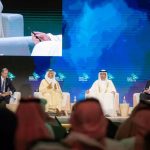
Saudi Arabia and Qatar have announced a joint contribution of $89 million to support Syria’s public sector, underscoring renewed regional engagement in the country’s post-conflict recovery, Saudi state media reported. The funding, provided through the Saudi Fund for Development and the Qatar Fund for Development, is intended to sustain public sector employees in Syria for three months, ensuring the continuity of essential services and reinforcing government budget allocations, according to Xinhua, citing the Saudi Press Agency.
The assistance, coordinated with the United Nations Development Program (UNDP), aims to bolster sustainable livelihoods, promote inclusive economic recovery, and strengthen systems that improve financial sector inclusiveness. Officials emphasised that the support aligns with Syria’s long-term development goals, seeking to stabilise public services while addressing pressing humanitarian needs.
This announcement follows a series of aid initiatives by Saudi Arabia earlier this year. In August, the Saudi Fund for Development supplied Syria with 1.65 million barrels of crude oil, while agreements and memorandums of understanding covering energy sectors were signed with Syrian authorities during the Damascus International Fair.
The new pledge arrives amid growing concerns from the UN over the humanitarian situation in Syria. Last week, the UN Office for the Coordination of Humanitarian Affairs (OCHA) warned that millions of Syrians could face life-threatening conditions unless international donors increase funding for critical aid programs. Joseph Inganji, head of OCHA’s Syrian office, told Xinhua in Damascus, “If we don’t receive the funding, it means children and women will die, because we don’t have anything to support them.”
Currently, 16.7 million people across Syria require humanitarian assistance, with 8.2 million in urgent need, according to Inganji. The UN is seeking $3.2 billion to respond to these needs but has received only 15 per cent of that amount so far. Particular concern has been raised for southern Syria, where renewed violence in Sweida province in July triggered new waves of displacement into neighbouring Daraa and rural Damascus. Combined effects of violence and displacement in these areas have uprooted approximately 430,000 people.
While immediate relief is critical, Inganji stressed that long-term stability depends on reducing reliance on aid. “As much as we give assistance every day, every hour, it’s not a solution. We need a long-term solution,” he said, highlighting the importance of sustainable development alongside humanitarian support.
Since the fall of former President Bashar al-Assad in December 2024, about 850,000 Syrian refugees have returned from neighbouring countries, according to the UN High Commissioner for Refugees. However, funding shortfalls and damaged infrastructure continue to pose significant challenges to resettlement, with many returnees facing destroyed housing, limited access to services, and few livelihood opportunities.
Syria’s diplomatic profile is also rising, with President Ahmad al-Sharaa addressing the United Nations General Assembly (UNGA) for the first time in over six decades. Al-Sharaa’s appearance at UNGA80 marks a historic milestone following the ousting of Bashar al-Assad, ending the Assad family’s 50-year rule. He arrived in New York leading a large delegation, in what state media described as a “landmark trip,” symbolising the new government’s growing international recognition.
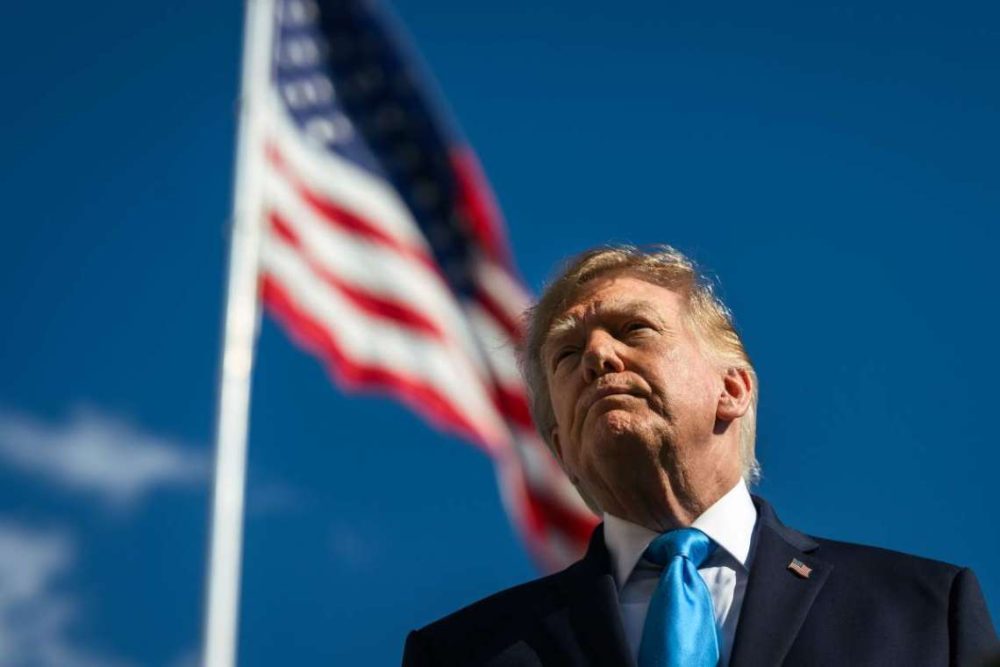
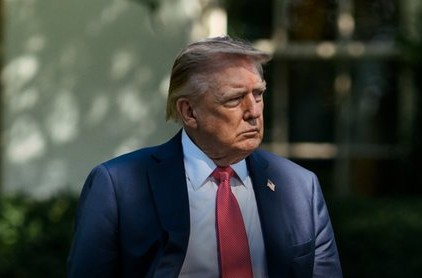
Al-Sharaa has already held meetings with US President Donald Trump, resulting in the lifting of most US sanctions on Syria and paving the way for reconstruction and development. Despite these diplomatic advances, his government continues to contend with internal unrest, including the June violence in Suwayda and repeated Israeli incursions into Syrian territory.
Looking ahead, Syria is preparing for its first parliamentary elections since Assad’s fall, scheduled for October 5, 2025, using an electoral college system to overcome logistical challenges. Al-Sharaa’s government is striving to balance humanitarian needs, national reconstruction, and international diplomacy, with regional support from Saudi Arabia and Qatar playing a crucial role in stabilising the country.