The EU intensifies criticism of China’s human-rights record as Uyghur groups expand global advocacy efforts, highlighting widespread abuses, cultural erasure, and Beijing’s growing attempts to silence dissent worldwide….reports Asian Lite News
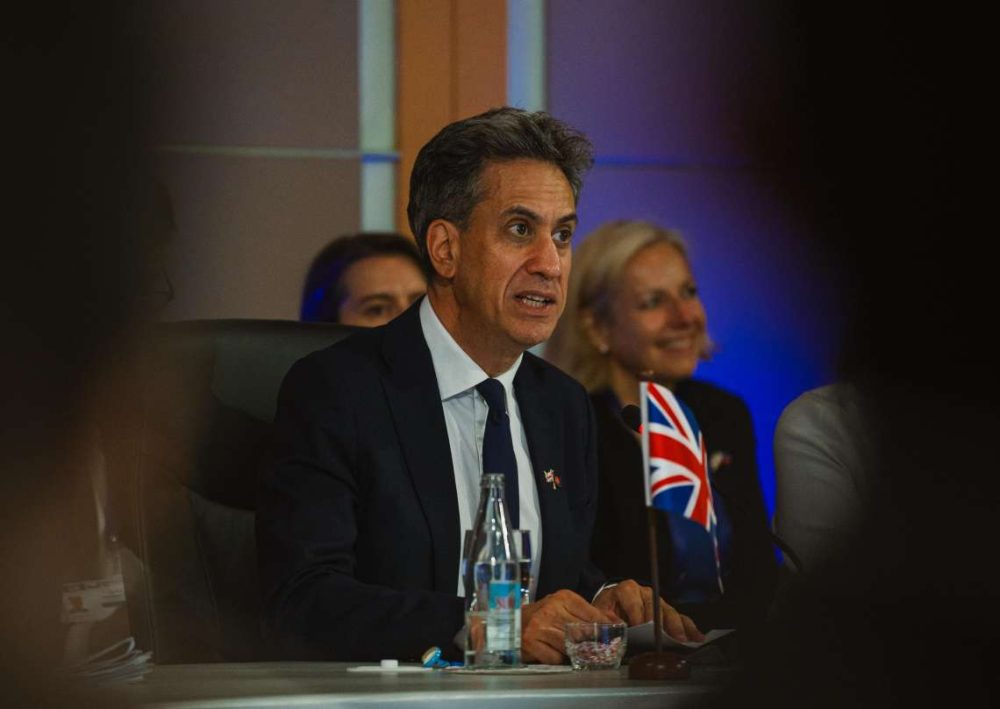
Marking Human Rights Day 2025, the European Union delivered one of its strongest rebukes in recent years, accusing China of escalating its suppression of fundamental freedoms and failing to demonstrate any meaningful progress on human rights. In a detailed statement, the EU Delegation to China reaffirmed its commitment to upholding the “universality and indivisibility of human rights”, as guaranteed under Article 21 of the Treaty on European Union, while expressing deep concern that Beijing’s repressive policies continue to intensify.
The criticism follows months of diplomatic engagement, including the 40th EU–China Human Rights Dialogue in Brussels and the 25th EU–China Summit. Brussels said that far from improving, the situation inside China has “further deteriorated”, affecting ethnic groups, religious minorities, civil society, and pro-democracy activists.
Xinjiang, Tibet and Inner Mongolia
The EU placed particular emphasis on Xinjiang, reiterating findings from the Office of the UN High Commissioner for Human Rights, which have suggested that China’s actions in the region “may constitute crimes against humanity”. The statement condemned widespread forced labour, coercive labour transfers involving Uyghurs, and state-driven efforts aimed at dismantling cultural and religious identity.
Tibet was described as facing a parallel crisis, marked by intrusive surveillance, interference in monastic life, and the imposition of Mandarin-medium schooling that undermines Tibetan cultural continuity. The EU also renewed its longstanding request for transparency regarding the fate of the 11th Panchen Lama, Gedhun Choekyi Nyima, who disappeared as a child in 1995. Brussels insisted that decisions regarding the Dalai Lama’s succession must not be subject to state control.
The erosion of linguistic rights in Inner Mongolia and the crackdown on independent religious networks such as Beijing Zion Church were also highlighted as evidence of oppressive state policy.
HK concerns and enforced disappearances
The EU called on China to abolish Residential Surveillance at a Designated Location (RSDL), describing it as a form of enforced disappearance used to silence activists and lawyers. It further urged Beijing to reduce its reliance on the death penalty and to end the repression of journalists, human rights defenders and pro-democracy advocates, particularly in Hong Kong under the National Security Law.
Brussels said these developments collectively represent a troubling trajectory that contradicts China’s international commitments under the International Covenant on Civil and Political Rights, which Beijing has signed but not ratified.
Uyghur organisations intensify global campaign
As the EU sharpened its criticism, the World Uyghur Congress (WUC) expanded its global campaign to expose human-rights abuses in Xinjiang and highlight China’s growing attempts to influence foreign institutions. According to a report in Asian Lite, WUC-linked events across Germany, Turkey, Thailand and the United Kingdom showcased both cultural resilience and political activism, countering Beijing’s narrative through art, international diplomacy and civil-society engagement.
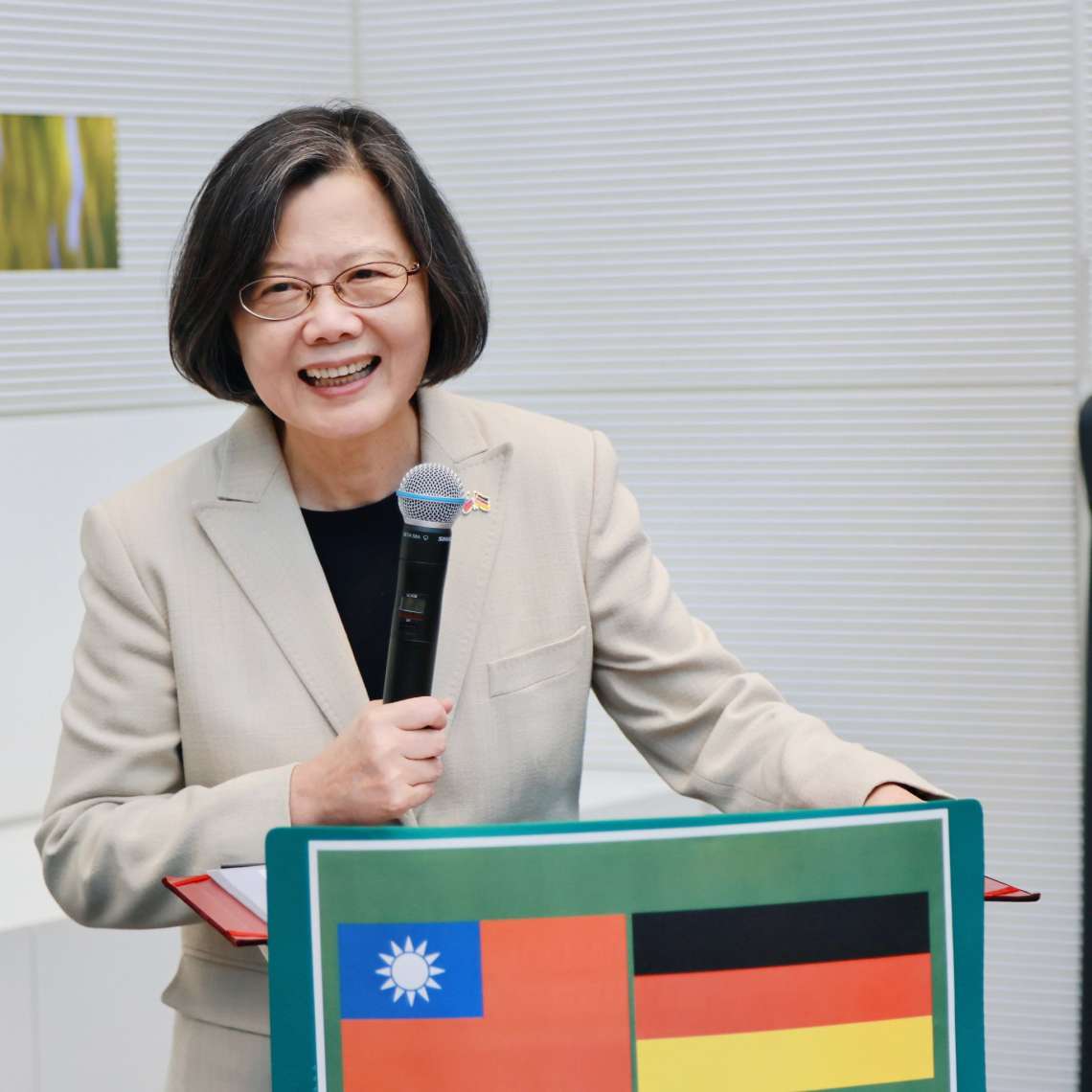
In Munich, Kazakh-Uyghur painter Ahmet Akhat opened a three-day exhibition at Blutenburg Castle celebrating Silk Road heritage and Uyghur cultural identity. Supported by cultural organiser Nurnisa Ismail, the exhibition drew Germans, diaspora members and scholars who described the showcase as not only an artistic celebration but a reminder of the fragility of cultures under state-controlled assimilation.
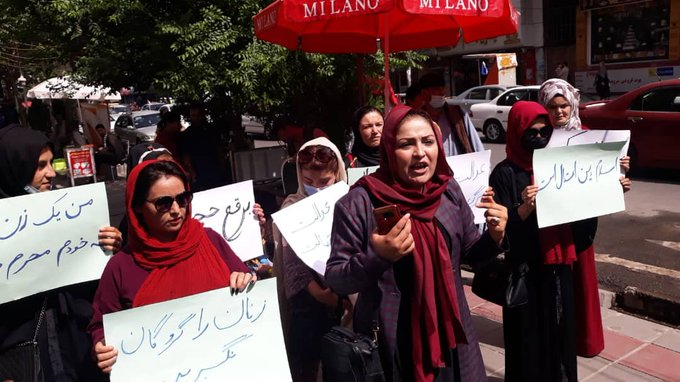
In Istanbul, the Turkey Unity Foundation hosted an event titled “The Unheard Cries of East Turkistan”, where speakers criticised China’s system of mass surveillance, cultural erasure and the ongoing threat of deportation facing thousands of Uyghur refugees. WUC Vice President Abdureshit Abduhamit warned that Beijing is ramping up demands for extradition, placing displaced Uyghurs in increasingly precarious legal situations.
Further east, in Bangkok, WUC President Turgunjan Alawdun and former President Dolkun Isa attended the International Civil Society Week 2025. Speaking before nearly a thousand delegates, they urged global organisations to confront China’s rights violations and resist what they described as Beijing’s effort to “export its authoritarian governance model.”
New media investigations are also renewing pressure on Beijing. German newspaper Handelsblatt quoted WUC Vice President Zumretay Arkin warning that China’s “Ethnic Unity Law” is eroding Uyghur language rights and institutionalising assimilation. Arkin, in an interview with Radio Canada, called on Ottawa to adopt forced-labour legislation mirroring the US Uyghur Forced Labour Prevention Act, insisting global supply chains remain tainted by coerced labour from Xinjiang.
Global recognition for Uyghur activism
On 5 November, the National Endowment for Democracy awarded the 2025 Democracy Award to WUC Executive Committee Chair Rushan Abbas. The award recognised her long-standing advocacy, including her campaigning for her sister, Dr Gulshan Abbas, who disappeared into Xinjiang’s detention system. Later the same day, WUC representatives took part in a remembrance ceremony at the Dachau Concentration Camp memorial, drawing parallels between historic and contemporary repression faced by Turkic minorities.