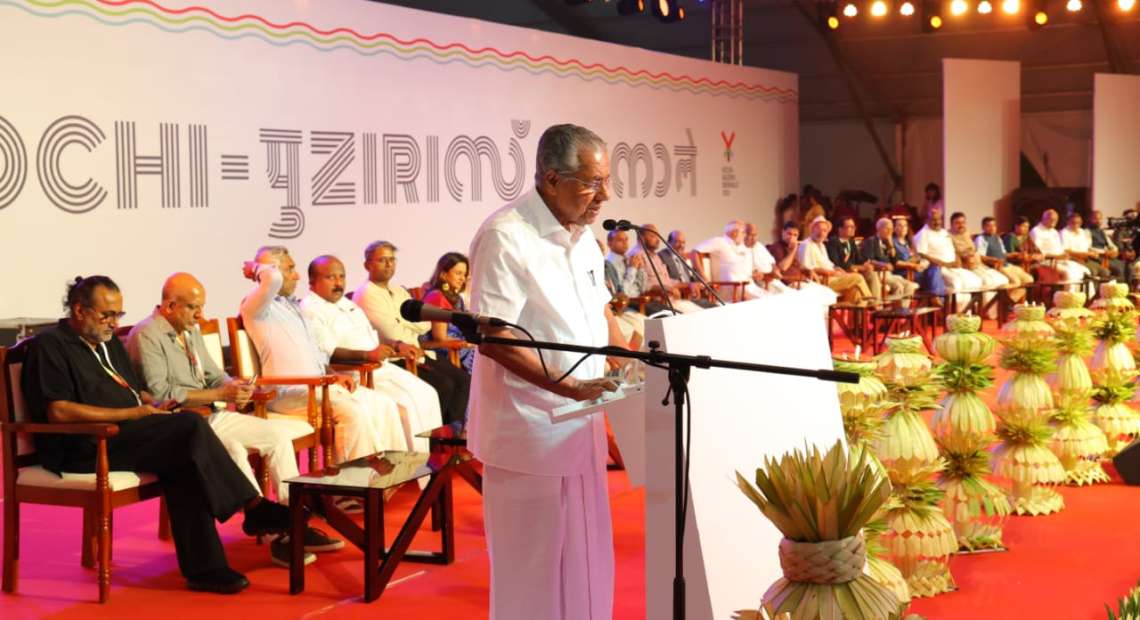
Amidst the salt-laced, post-monsoon hush of Kochi—when the skies soften and the sea breathes slower—the city once again opens itself to transformation as the Kochi-Muziris Biennale unfolds not merely as an exhibition, but as a living, breathing conversation between place, people, and possibility… writes Soniya Kirpalani
Every edition India’s largest contemporary art platform, the Kochi-Muziris Biennale dissolves the boundaries between art, performance, dialogue, and everyday life. Warehouses shaped by centuries of maritime trade, temple, parishes, forgotten courtyards, schools, streets, and public walls across Fort Kochi and Mattancherry become sites of encounter—where art is not only viewed, but experienced, questioned, and inhabited.
In its sixth edition, it is curated by painter and performance artist Nikhil Chopra, titled For the Time Being, it subtly but surely challenges the idea of passive spectatorship. Here, art does not remain static on walls. It moves, performs, speaks, listens. Installations coexist with live performances, workshops, conversations, and acts of collective making—inviting viewers to slow down, stay present, and reflect on the urgencies of our time.
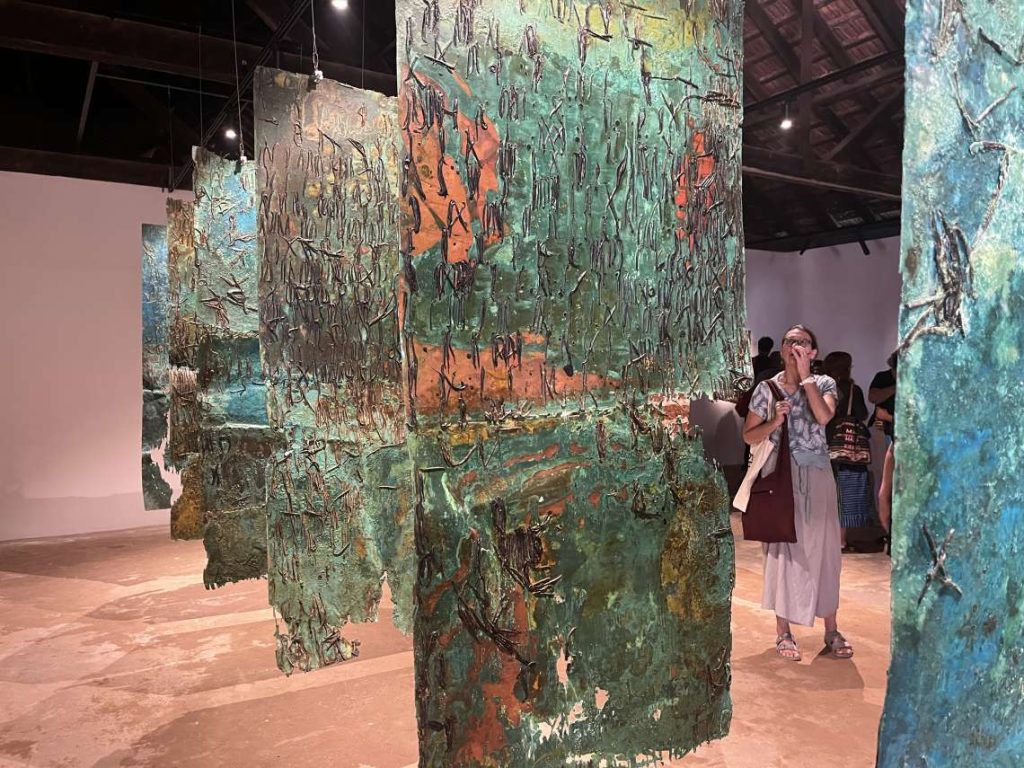
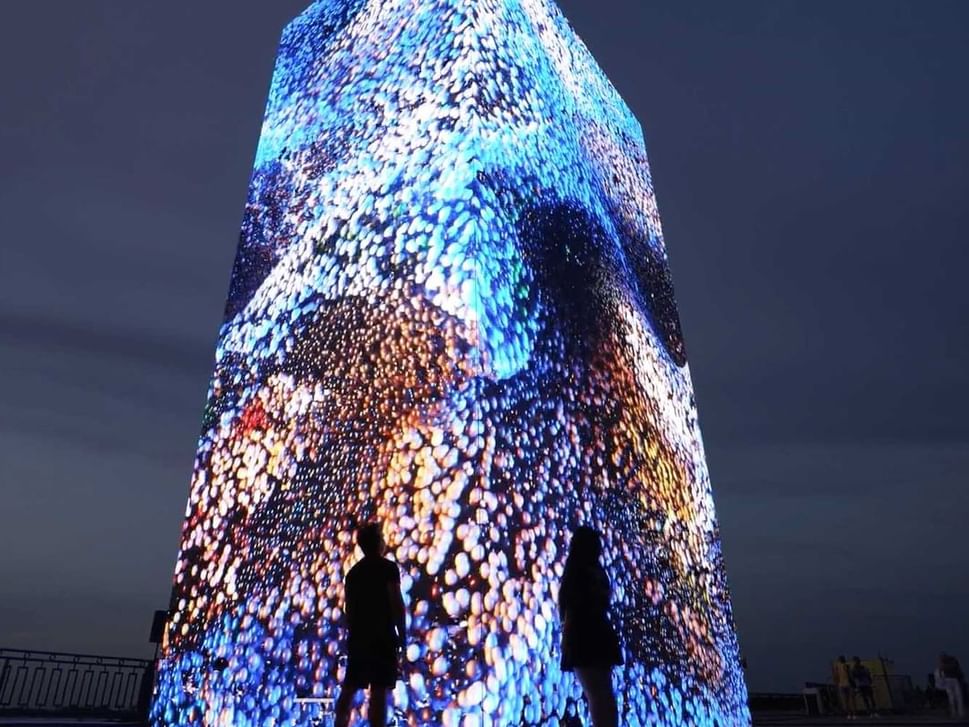
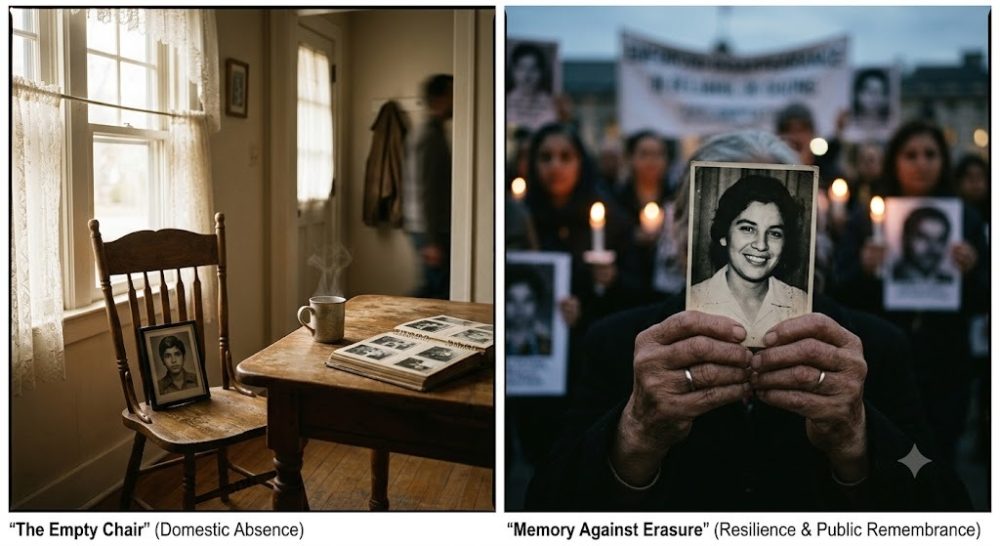
Artists from across India and over 25 countries respond to themes of displacement, memory, gender, ecology, conflict, belonging, and resilience come to showcase their concepts and creativity. From immersive, technology-led installations where the physical and digital blur, to deeply rooted community practices that reclaim public space, the Biennale becomes a site where global narratives intersect with local histories.
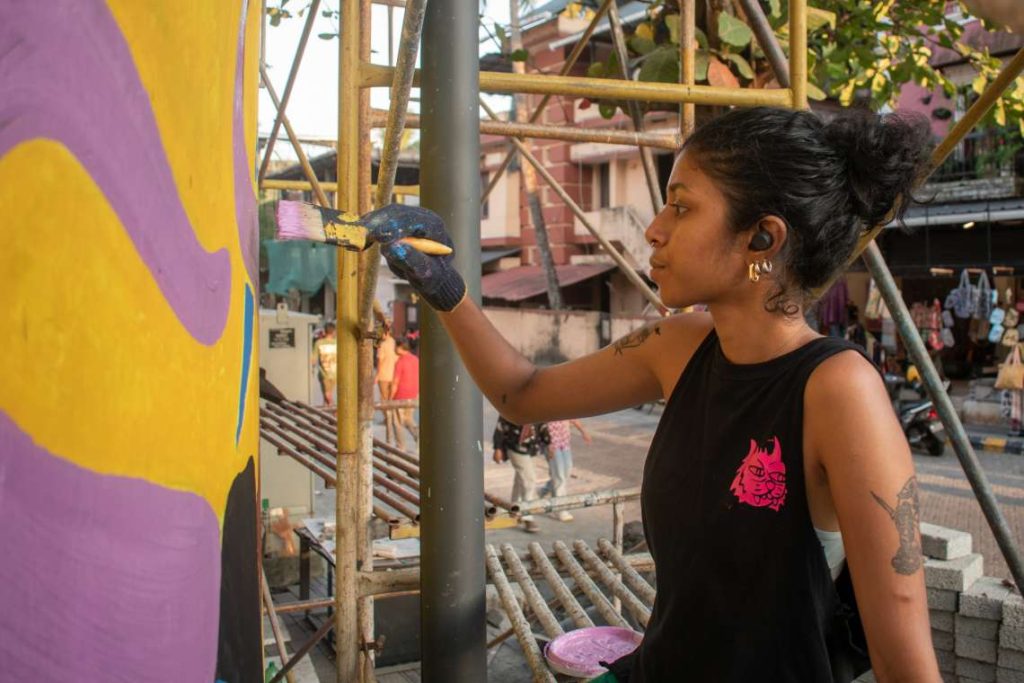
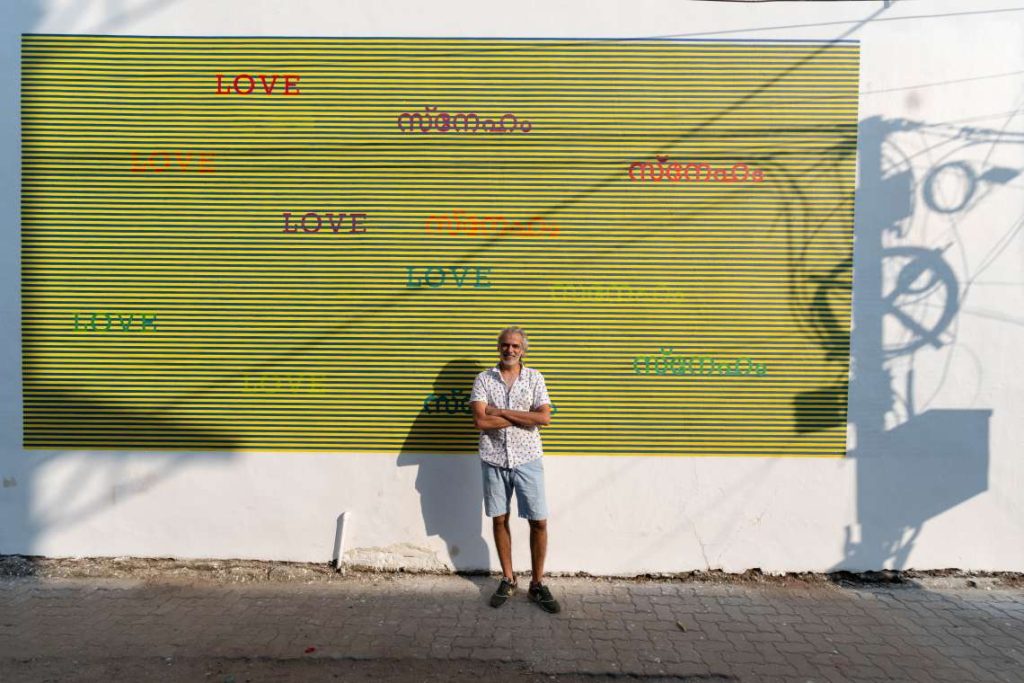
One of its most compelling gestures lies in how art spills into the city itself. Community-driven mural projects turn neighborhood walls into living archives of local stories, regional histories, and marginalized voices—making the city a collaborator rather than a backdrop. Initiatives such as Edam foreground artists from Kerala and its diaspora, addressing caste, politics, war, and exclusion with unflinching honesty, while the Students’ Biennale reimagines curation itself as a collaborative, non-hierarchical act.
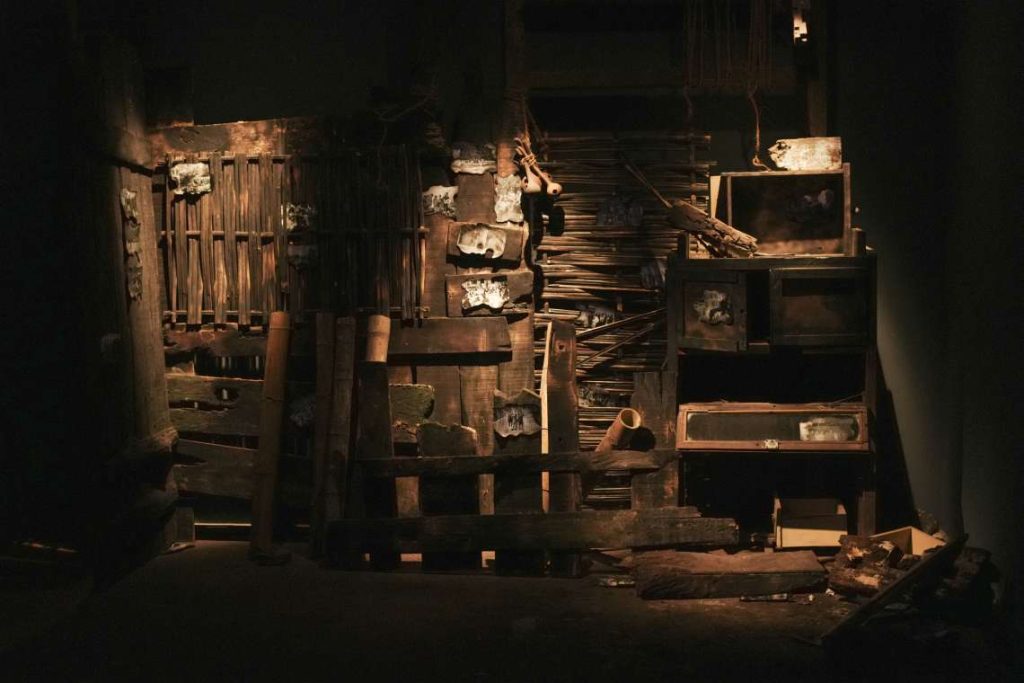
The Biennale’s Collateral and Invitation programmes further extend this ecosystem—bringing together independent curatorial voices, international institutions, and experimental collectives. These exhibitions explore themes ranging from migration and memory to environmental justice, craft, performance, and the politics of care—often unfolding in unexpected spaces, encouraging wandering and discovery.
Equally vital is the Biennale’s commitment to future generations. Through Art by Children and its art-room initiatives, creativity is nurtured as a joyful, non-competitive, and inclusive practice—rooted in empathy, ecological sensitivity, and imagination.
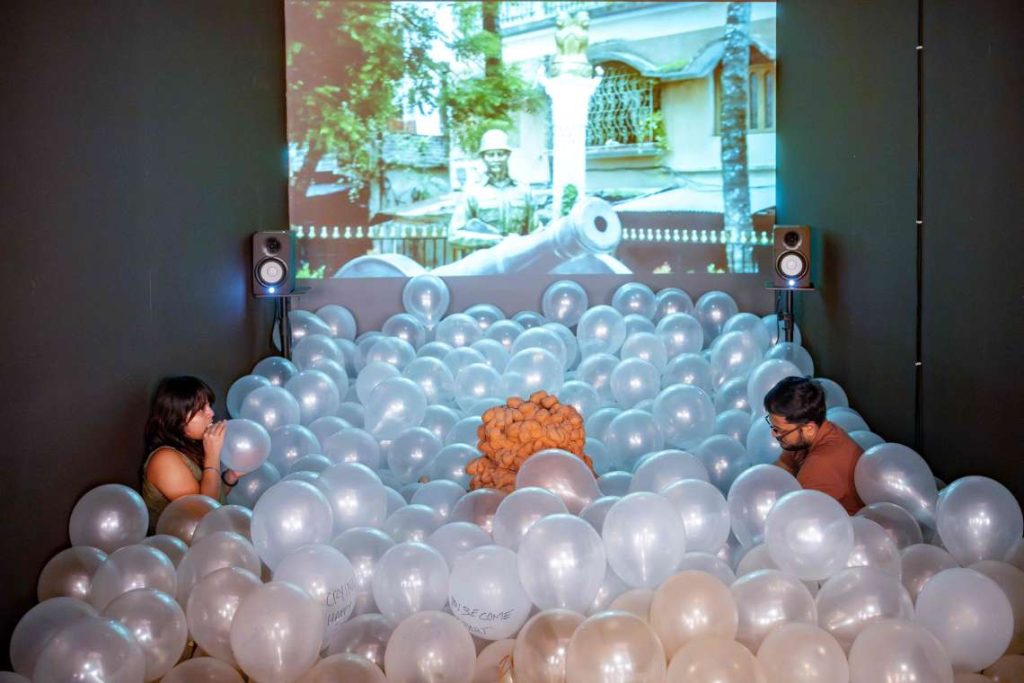
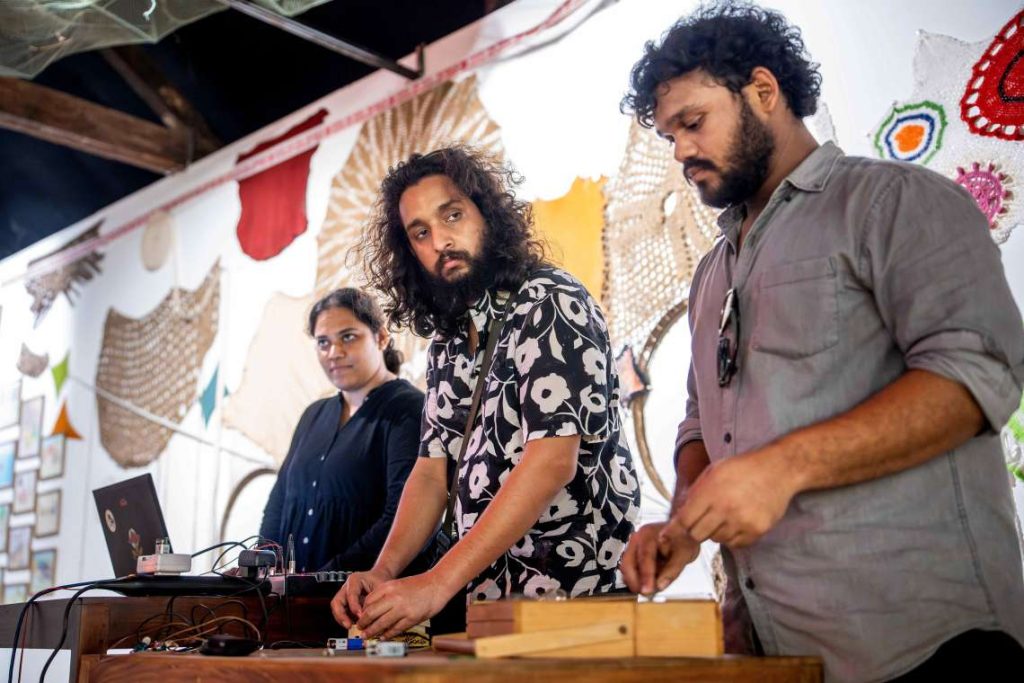
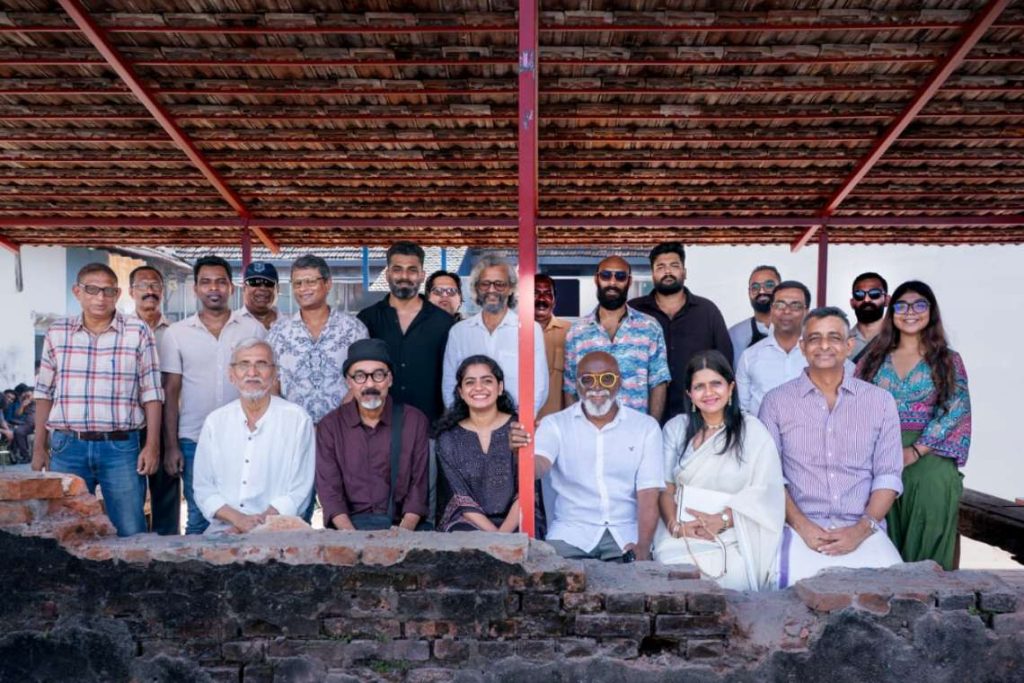
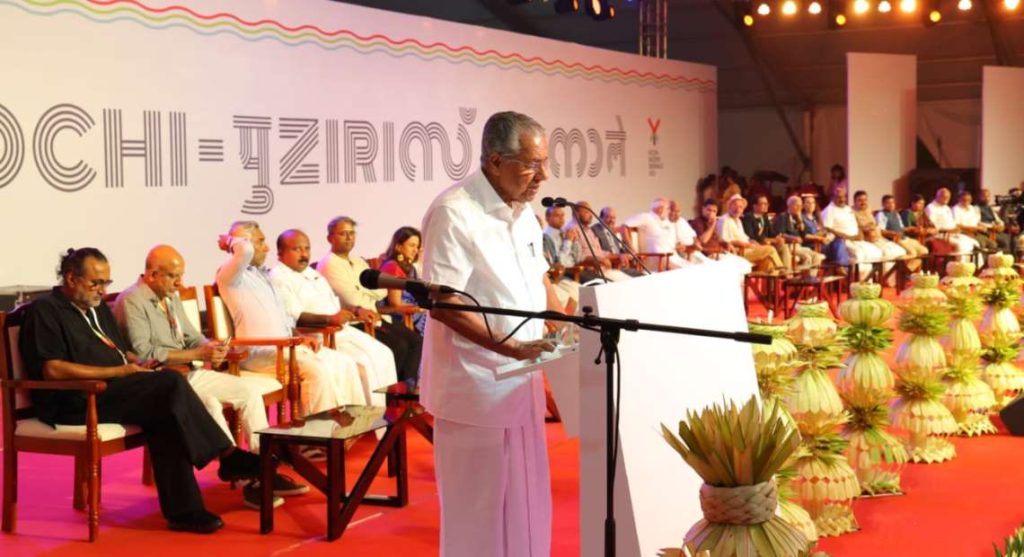
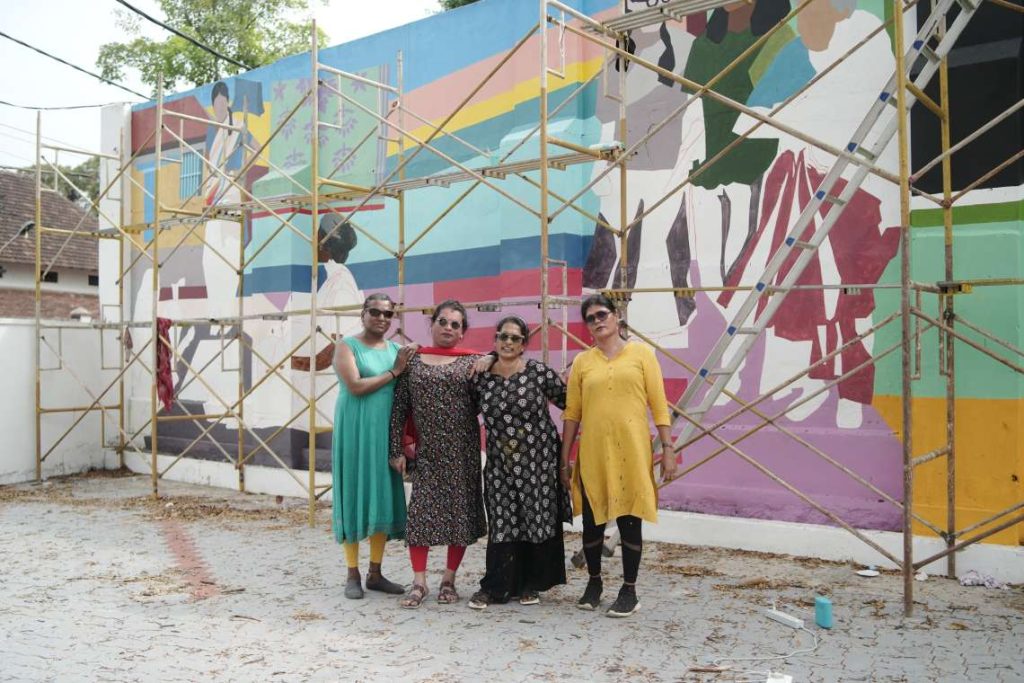
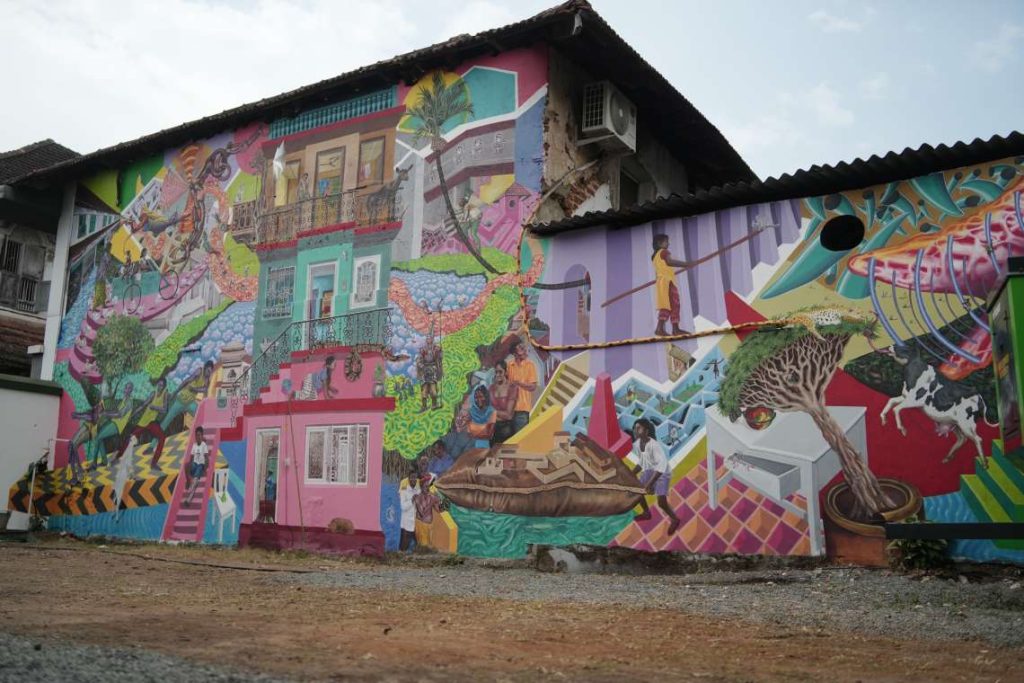
In Kochi, art does not announce itself loudly. It seeps into alleyways, into conversations over tea, into the rhythm of walking through a port city shaped by centuries of exchange. The Kochi-Muziris Biennale reminds us that contemporary art is not only about the new—but about seeing differently, listening more deeply, and learning how to be and how to communicate for the time being in an uncertain world.