January 9, 2026
4 mins read

Commons women and equalities panel to stop using X 

The Commons women and equalities committee has become the first Westminster body to suspend use of X, citing the spread of AI-generated sexualised images of women and children…reports Asian Lite News

The Commons women and equalities committee has decided to stop using X after the social media site’s AI tool began generating thousands of digitally altered images of women and children with their clothes removed, The Guardian reported. The cross-party committee’s move comes amid mounting concern in Westminster and among regulators after the platform was flooded with images, including sexualised and unclothed pictures of children, generated by its AI tool, Grok.

The decision places renewed pressure on ministers to take decisive action against the platform and its owners. The committee, which scrutinises government policy on issues including gender equality and discrimination, concluded that the environment on X was incompatible with its work to prevent violence against women and girls. The move is understood to have been agreed at a meeting on Wednesday and marks the first significant withdrawal by a parliamentary organisation from the platform.

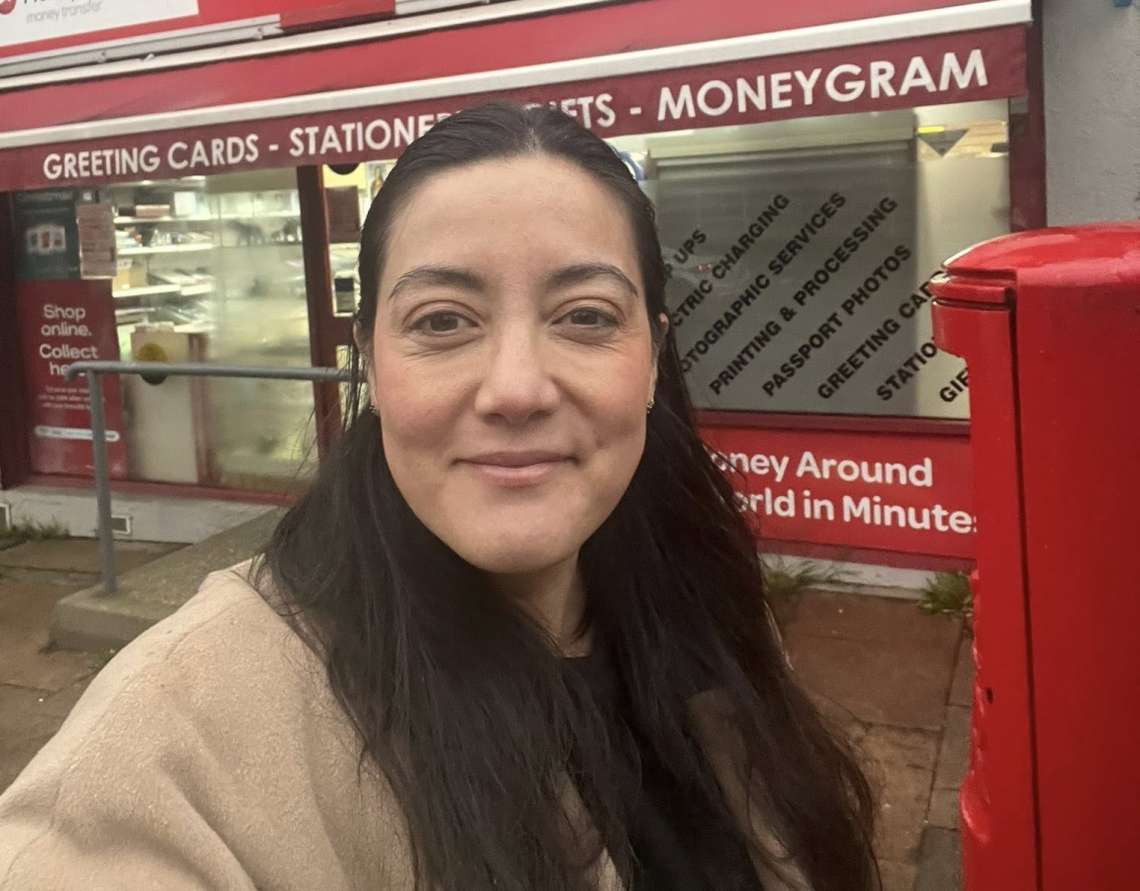
Sarah Owen, the Labour MP who chairs the committee, said that given preventing violence against women and girls was among its key policy areas, “it has become increasingly clear that X is not an appropriate platform to be using for our communications”. While the committee will retain its X account, which has about 27,000 followers, it will be left dormant to prevent it being taken over by others.

The technology secretary, Liz Kendall, described the imagery generated by Grok as “appalling and unacceptable in decent society” and urged the UK’s media regulator, Ofcom, to take whatever action is needed. Ministers have signalled they are prepared to back the regulator as it considers its next steps under the Online Safety Act.

Speaking on Wednesday, a spokesperson for Keir Starmer said that “all options remain on the table” for Ofcom, which has powers to impose substantial fines or, in extreme cases, restrict access to a site. The spokesperson added that the government would not tolerate the spread of deepfake imagery that harms individuals, particularly women and children.

Although the committee’s decision applies only to its official account, some members have already stepped away from X in a personal capacity. Owen herself stopped using the platform last year, while the Liberal Democrat MP Christine Jardine confirmed she was leaving X, describing the images generated by Grok as “the last straw”. Jardine said she had previously regarded the platform as a useful way to communicate with constituents but added: “But I cannot in all conscience continue to use a platform which seems unwilling to act against this grossly offensive and abusive online behaviour towards women and girls.”

Owen said she would write to the Cabinet Office and to Ofcom to press for action against X. Explaining her own earlier departure from the platform, she said: “I personally came off X in 2024 after the platform and its owner promoted and paid creators of far-right racist and misogynistic material. The committee heard at the end of last year on inquiries about community cohesion that X posts regularly break UK law on hate speech.” She added that “in recent days, X and xAI have allowed the creation and sharing of AI deepfakes, non-consensual intimate imagery, and child sexual abuse material – all areas identified as online violence against women and girls by our committee.”

Owen continued: “We do not view it as appropriate to use such a platform to share our work. I hope that the government, Ofcom and relevant law enforcement agencies work quickly to make X immediately abide by UK law on online safety and non-consensual intimate image abuse, to be held to account for its failures and if it refuses to abide by our laws, it must be appropriately sanctioned.”

Ofcom said on Monday that it was aware of serious concerns raised about Grok creating images of undressed people and sexualised images of children. The regulator said it had contacted X and xAI “to understand what steps they have taken to comply with their legal duties to protect users in the UK” and would assess the need for a formal investigation based on the companies’ responses.

Downing Street reiterated its support for robust enforcement. Starmer’s spokesperson said: “What we have seen on Grok is a disgrace. It is completely unacceptable. No one should have to go through the ordeal of deepfakes of themselves online, and we won’t allow the proliferation of these demeaning images.” The spokesperson added that X must act urgently and that Ofcom had the government’s “full backing to take enforcement action wherever firms are failing to protect UK users”.

The opposition has also voiced condemnation. Asked about the issue, a spokesperson for Kemi Badenoch said the Conservative leader agreed with the government, adding: “We both find it absolutely abhorrent and want to see it clamped down upon as soon as possible.” Pressed on whether Badenoch, a prominent user of X with hundreds of thousands of followers, might leave the platform, the spokesperson declined to speculate, saying only that action was needed to stop the deepfakes. 

Previous Story

Mandelson Rips ‘Performative’ Europe

Next Story

British cyclists to ride from Makkah to Madinah

Previous Story

Mandelson Rips ‘Performative’ Europe

Next Story

British cyclists to ride from Makkah to Madinah

Latest from -Top News

Pakistan Risks Overstretching Itself in Yemen War

Pakistan’s expanding military role in Saudi Arabia amid the Yemen conflict could strain its defence resources and fragile finances…reports Asian Lite News Desk Pakistan’s military involvement in the war in Yemen may prove unsustainable because of mounting financial pressures and competing security demands, according to a new report. Islamabad’s growing military presence in Saudi Arabia risks stretching its defence resources while exposing the country to greater strategic and economic challenges. An article by Andrew Wilson in One World Outlook describes Pakistan’s involvement as a case of “fiscal and strategic overreach”, arguing that the country lacks the financial flexibility to sustain an expanded military commitment. Pakistan’s external finances depend heavily on an International Monetary Fund (IMF) programme, financial support from Gulf countries and remittances from Pakistani workers in the region. The report argues that deeper military involvement in the conflict could place additional pressure on these sources of financial stability. It also warns that deploying troops and military equipment abroad could weaken Pakistan’s capacity to address security challenges along its eastern border and deal with two domestic insurgencies. The move could also draw Islamabad into a conflict it has sought to approach cautiously. A Reuters report in May, citing Pakistani security and government sources, said Islamabad had deployed around 8,000 troops, a squadron of approximately 16 aircraft, mostly JF-17 fighter jets, two drone squadrons and a Chinese HQ-9 air-defence battery to Saudi Arabia. According to those sources, Riyadh was financing the deployment, with Pakistani personnel operating the equipment. The sources also said a confidential agreement contemplated the possibility of deploying up to 80,000 troops. Islamabad has not confirmed those figures, although it has acknowledged its military presence in Saudi Arabia, including the deployment of fighter jets at King Abdulaziz Air Base from April. The One World Outlook article argues that Saudi financial support can cover allowances and operating expenses but cannot easily replace military equipment needed elsewhere or resolve the political and strategic challenges of participating in the Yemen conflict. Pakistan’s defence budget is another concern. For the 2026-27 financial year, the federal government allocated PKR 3 trillion, or approximately $10.8 billion, to defence services. The allocation represents an 18 per cent increase from the original PKR 2.55 trillion provision and amounts to around 2.1 per cent of projected gross domestic product (GDP). Defence spending accounts for approximately 16 per cent of the federal government’s PKR 18.8 trillion expenditure. Military pensions are budgeted separately at PKR 822 billion, while debt servicing costs stand at approximately PKR 8 trillion, more than two-and-a-half times the defence allocation. The report argues that these competing financial obligations leave little room for additional military expenditure without placing further pressure on public finances. Pakistan’s reliance on IMF assistance also limits its fiscal flexibility. The country must meet the conditions attached to the programme, including a primary budget surplus target of 2 per cent of GDP and continued restraint on development spending. According to the article, these requirements make it difficult for Islamabad to finance an additional military commitment without compromising other budgetary priorities. Pakistan’s economic indicators offer limited reassurance. Economic growth for the 2025-26 financial year is estimated at between 3.6 and 3.7 per cent, while inflation reached approximately 10.3 per cent in September following an energy price shock. Foreign exchange reserves stood at around $21.5 billion at the end of September. Although this marks an improvement from the low levels recorded in 2023, the report notes that the reserves cover only a few months of imports. Financial assistance from Gulf partners remains central to Pakistan’s external stability. The article says Islamabad holds approximately $8 billion in Saudi deposits at its central bank. In July, the State Bank of Pakistan said Riyadh had extended the maturity of $5 billion in deposits to December 2028, easing the country’s immediate external financing requirements. A further $3 billion deposit was also extended in the spring. However, the article argues that these arrangements provide temporary relief rather than long-term financial independence, particularly as regional conflict threatens the stability of the Gulf economies on which Pakistan relies. The report concludes that Pakistan faces a difficult balance between supporting Saudi Arabia militarily and preserving the financial and military resources needed to address its domestic and regional challenges.
Go toTop

Don't Miss

British Indian bags Gordon Burn Prize

The Gordon Burn Prize celebrates the year’s most dazzlingly bold

Priti Patel Slams Lai Conviction

Jimmy Lai, a former Hong Kong media tycoon and founder