India and the European Union are close to finalising a landmark Free Trade Agreement, with the formal announcement expected on January 27…reports Asian Lite News
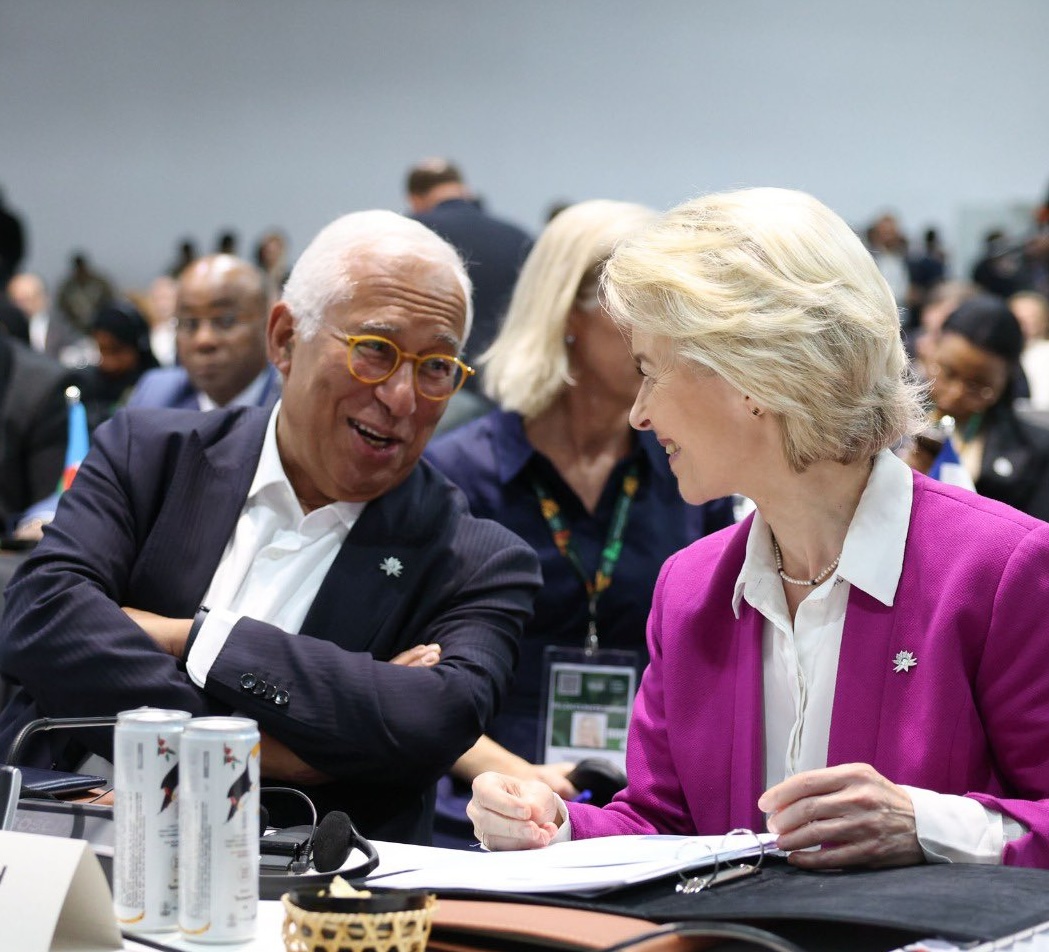
The decision to invite European Council President António Luís Santos da Costa and European Commission President Ursula von der Leyen as Chief Guests at India’s 77th Republic Day marks a significant diplomatic moment, reflecting India’s rising global stature and the deepening strategic partnership between New Delhi and the European Union.
The visit underscores a renewed push to conclude the long-pending EU–India Free Trade Agreement (FTA), alongside expanding cooperation in security, defence and global governance. The European Council described India as a “crucial partner”, with Costa stating that both sides share “the capacity and responsibility to protect the rules-based international order”.
Von der Leyen, meanwhile, characterised India as “a pillar of certainty in an increasingly uncertain world”, highlighting the importance of inter-regional cooperation and closer security and defence ties.
Von der Leyen has made it clear that Europe is diversifying its markets in the wake of the US tariff turmoil and drastic change in geo-economics .” And right after Davos, I will travel to India. There is still work to do. But we are on the cusp of a historic trade agreement. Some call it the mother of all deals. One that would create a market of 2 billion people, accounting for almost a quarter of global GDP,” she said at the World Economic Forum.

“And, crucially, that would provide a first-mover advantage for Europe with one of the world’s fastest-growing and most dynamic continents. Europe wants to do business with the growth centres of today and the economic powerhouses of this century.”
India and the European Union are close to finalising a landmark Free Trade Agreement, with the formal announcement expected on January 27, a day after the Republic Day celebrations, which will be attended by the top EU leadership as chief guests.
The European Times noted that the visit follows the EU’s endorsement of a New Strategic EU–India Agenda, which prioritises trade, technology, sustainability, connectivity and defence cooperation. The agenda formally acknowledges the growing EU–India security and defence partnership amid a more complex global geopolitical landscape.
European leaders have increasingly positioned India as a central strategic and economic partner. The EU views New Delhi not merely as a bilateral trade partner but as a systemic actor shaping the future of global trade governance. Carnegie Europe Director Rosa Balfour described the EU and India as like-minded partners capable of ensuring stability in international trade, suggesting their cooperation could offer an alternative to escalating global trade conflicts.
Economic ties have expanded rapidly, with EU–India trade in goods rising nearly 90 per cent over the past decade. Trade reached approximately €120 billion in 2024, making the EU India’s second-largest trading partner. Von der Leyen said a historic FTA was close, describing it as “the mother of all deals” that could create a combined market of two billion people and nearly a quarter of global GDP.
Former Indian ambassador Mohan Kumar told The European Times that the FTA extends beyond economics, offering strategic balance in a multipolar world. He said the EU and India had the potential to emerge as independent poles, adding that their geopolitical alignment was now “unmistakable”.