Two years after Navalny’s prison death, UK and European allies conclude he was killed with rare dart frog toxin in Chemical Weapons Convention breach.
Two years after the death of Russian opposition leader Alexei Navalny in a Siberian penal colony, the UK and European allies have formally concluded that he was killed using a lethal toxin derived from a South American dart frog, accusing the Kremlin of breaching international chemical weapons law.
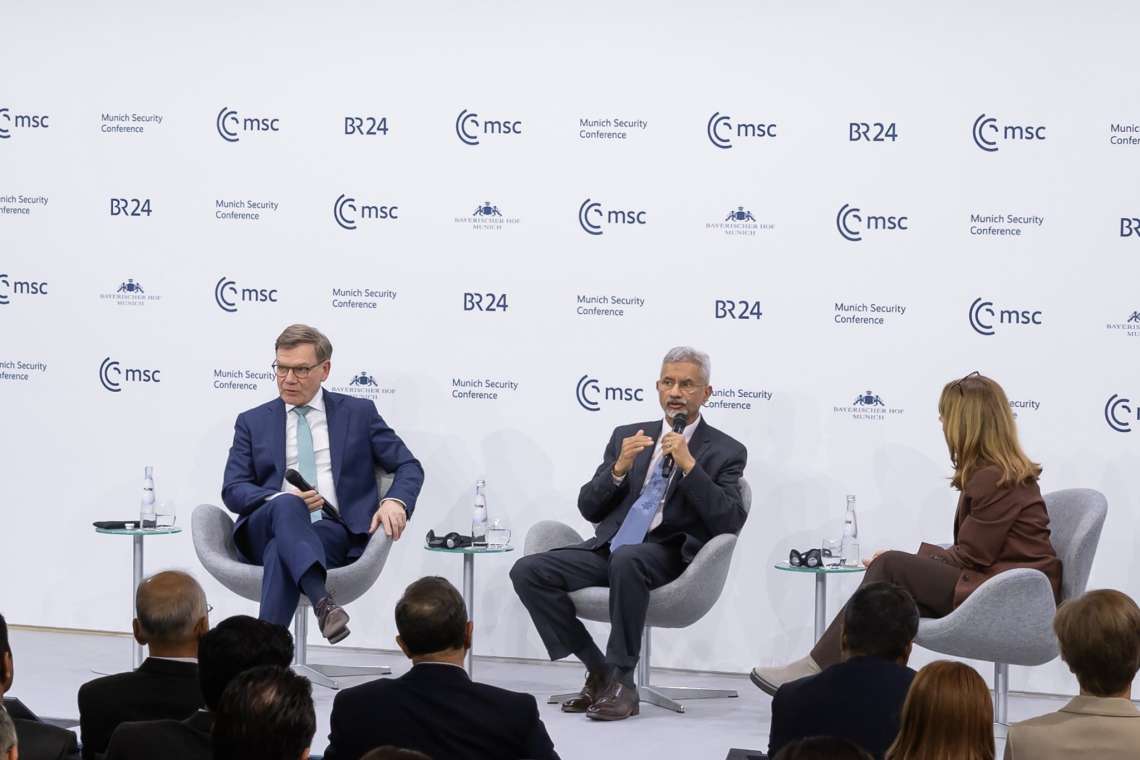
The announcement was made at the Munich Security Conference, where UK Foreign Secretary Yvette Cooper said laboratory testing had confirmed the presence of epibatidine — a potent toxin found naturally in poison dart frogs — in samples taken from Navalny’s body. The findings were backed by Sweden, France, Germany and the Netherlands in a joint statement.
Navalny, President Vladimir Putin’s most prominent domestic critic, died on 16 February 2024 while serving a prison sentence in an Arctic penal colony. Moscow initially claimed he died of natural causes. However, allied governments now say the toxicological evidence strongly indicates poisoning.
Epibatidine, the substance identified in laboratory analysis, is not naturally found in Russia and does not occur in captive amphibians. Western officials said there is “no innocent explanation” for its presence in Navalny’s body. The UK government stated that only the Russian state had the means, motive and opportunity to deploy such a toxin within a high-security penal colony.
Cooper described the case as a “barbaric plot to silence his voice” and said the Kremlin’s actions once again demonstrated its willingness to violate international norms. She confirmed that Britain has formally notified the Organisation for the Prohibition of Chemical Weapons, citing a breach of the Chemical Weapons Convention.
Prime Minister Keir Starmer paid tribute to Navalny’s “huge courage” and said his determination to expose corruption had left “an enduring legacy”. He reiterated that the UK would continue defending its values against what he described as Russia’s ongoing threat.
The joint statement by the five European governments said the analysis of biological samples had conclusively confirmed epibatidine. It added that Navalny’s imprisonment meant the Russian authorities had full control over his environment at the time of death.
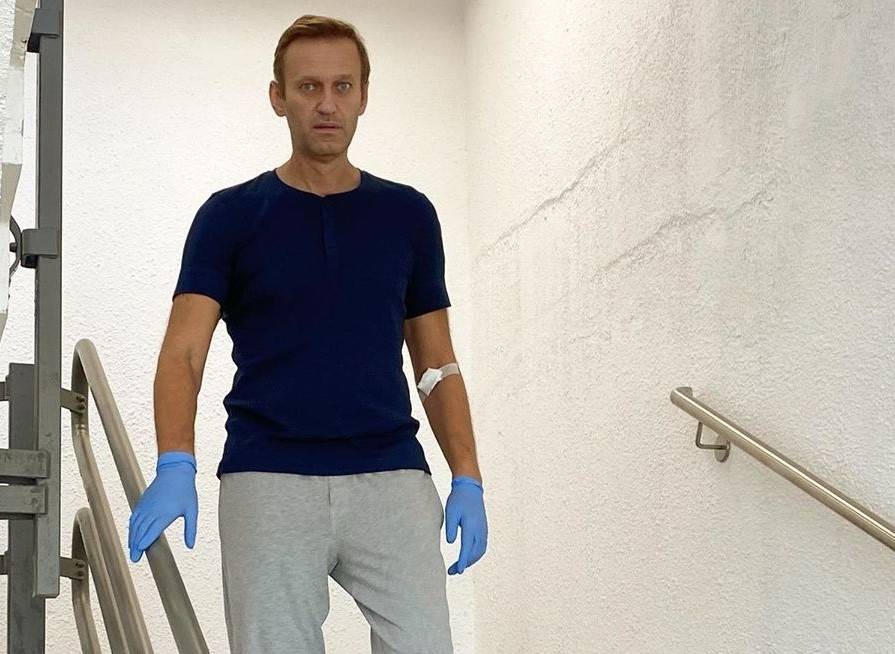
The announcement also revived memories of earlier chemical attacks attributed to Moscow, including the 2018 Novichok poisoning in Salisbury and the 2020 nerve agent attack on Navalny himself, after which he was treated in Germany before returning to Russia and being detained.
Navalny’s widow, Yulia Navalnaya, who attended the Munich conference, said she had been certain from the outset that her husband had been poisoned. She thanked European governments for what she described as meticulous investigative work over two years.
Russia has dismissed the findings as part of an “information campaign”. However, Western officials argue the case underscores a broader pattern of chemical weapons use and concealment, raising fresh questions about Moscow’s compliance with international disarmament obligations.