According to TfL’s outline timetable, work could begin as early as July 2027 and continue until December 2034. That timeline indicates that the current fleet—already 54 years old—will need to remain in service for at least another decade…reports Asian Lite News
London’s oldest Tube trains could finally be on track for replacement after Transport for London (TfL) took a significant step towards modernising the Bakerloo line.
TfL has issued a preliminary market engagement notice inviting private contractors to express interest in upgrading infrastructure along the line, paving the way for the introduction of a new fleet. The move signals progress on a long-awaited project, although passengers are unlikely to see new trains in service before 2035.
The Bakerloo line’s current fleet, known as the 1972 Tube Stock, has been operating for more than half a century. Introduced in 1972, the trains are now the oldest in operation not only on the London Underground but across any passenger railway service in the UK. Increasing reliability problems and rising maintenance costs have intensified pressure for replacement.
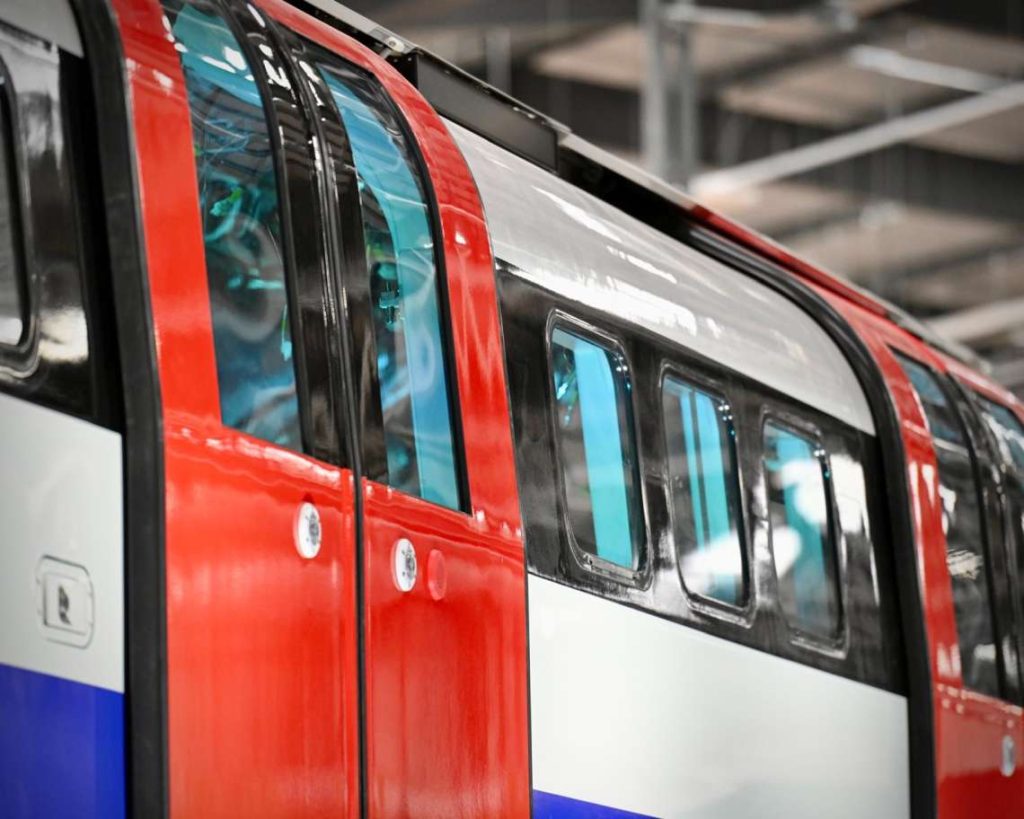
Under current plans, 36 new trains would replace the ageing Metro Cammell-built fleet. However, the trains have yet to be formally ordered due to funding constraints. TfL has allocated £1 billion within its business plan for the Bakerloo line upgrade, but the funding does not yet cover signing a rolling stock contract.
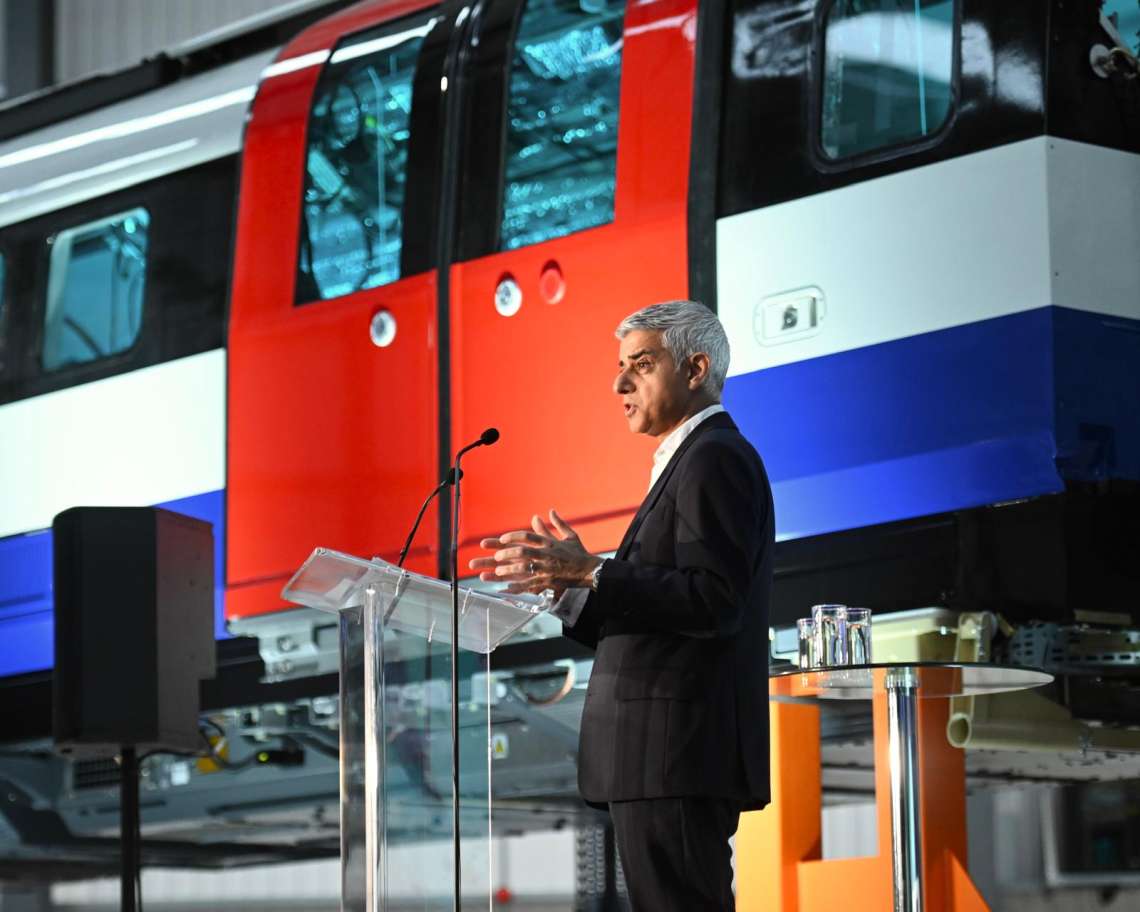
Progress on the Bakerloo upgrade is closely tied to the completion of the Piccadilly line’s modernisation. TfL’s ambition is for the Bakerloo trains to be next off the production line after all 94 new walk-through, air-conditioned Piccadilly line trains are delivered and operational. The first of those trains is expected to enter passenger service in the second half of 2026.
The proposed Bakerloo infrastructure works include upgrades to platforms and signalling systems to accommodate the new rolling stock. A major element of the scheme is the reconstruction of the train depot at Stonebridge Park, along with expanded overnight stabling facilities at Queen’s Park.
According to TfL’s outline timetable, work could begin as early as July 2027 and continue until December 2034. That timeline indicates that the current fleet—already 54 years old—will need to remain in service for at least another decade.
Brent Leyshon, programme manager at TfL, described the initiative as a crucial step in preparing the line for modern trains. He stressed that the scheme focuses solely on rolling stock and related infrastructure, rather than the long-discussed Bakerloo line extension.
TfL hopes to award the train contract to Siemens Mobility, which is currently assembling the new Piccadilly line trains at its “rail village” facility in Goole. Company executives have previously warned of a potential slowdown in work at the factory if further London Underground orders do not materialise.
While the Bakerloo fleet replacement is progressing incrementally, the line’s proposed extension remains unfunded. The extension would run south-east from Elephant and Castle to Lewisham, with new accessible stations at Burgess Park, Old Kent Road and New Cross Gate, and potentially onward to Hayes and Beckenham Junction via the existing National Rail route.
For now, TfL’s business plan commits only to progressing plans and seeking approvals rather than allocating construction funds. Even so, the latest market engagement marks what officials describe as a significant step forward in modernising one of London’s most historic — and most heavily used — Underground lines.