Trump signals winding down of US Iran operations, urging South Korea, Japan, China, and other nations to secure Strait of Hormuz amid rising oil and global tension, reports Asian Lite Newsdesk
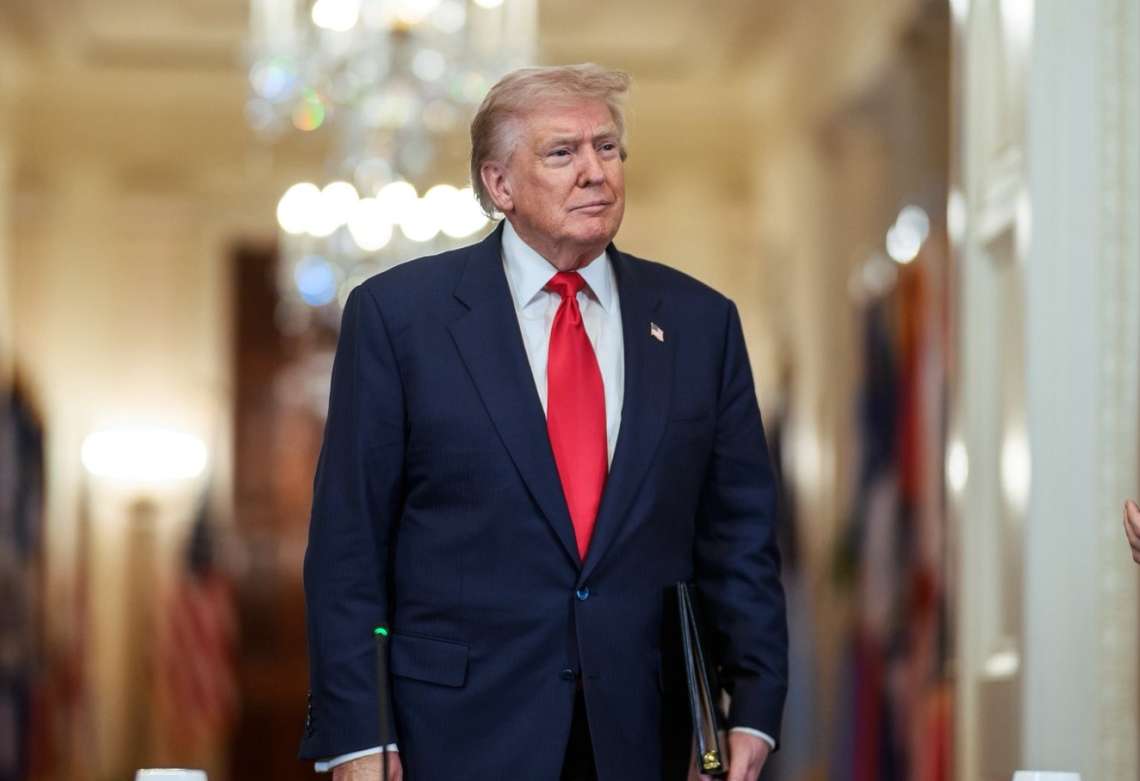
US President Donald Trump said Washington is “very close” to achieving its objectives against Iran and is contemplating winding down its military operation, while calling on South Korea, China, Japan, and other nations to take responsibility for securing the Strait of Hormuz.
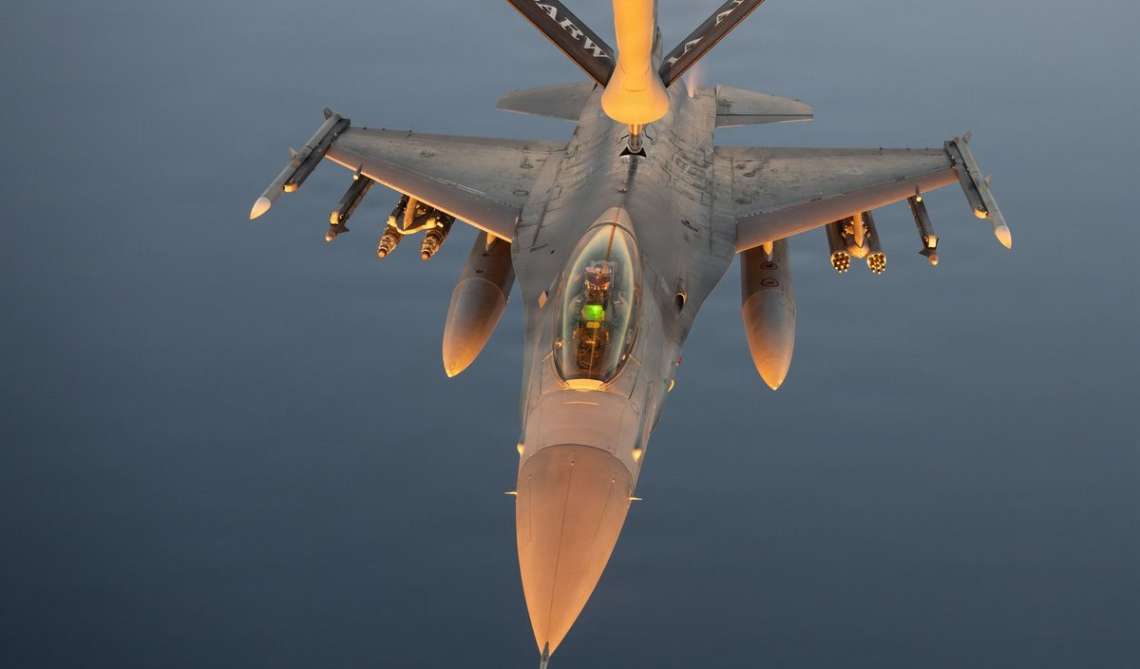
In a post on Truth Social, Trump claimed the US campaign has largely met its goals, including degrading Iran’s missile capabilities, defence industrial base, navy, and air forces, while preventing Tehran from acquiring nuclear arms. He described the operation as “very close” to completion and suggested the US could reduce its direct involvement in the region.
“The United States does not! If asked, we will help these Countries in their Hormuz efforts, but it shouldn’t be necessary once Iran’s threat is eradicated,” he said, adding that protecting the strait “will be an easy Military Operation for them.”
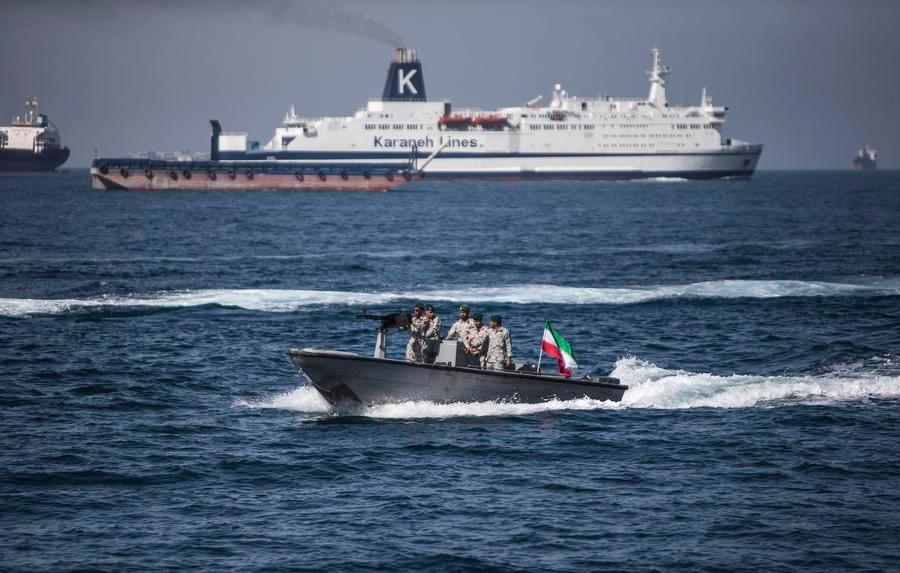
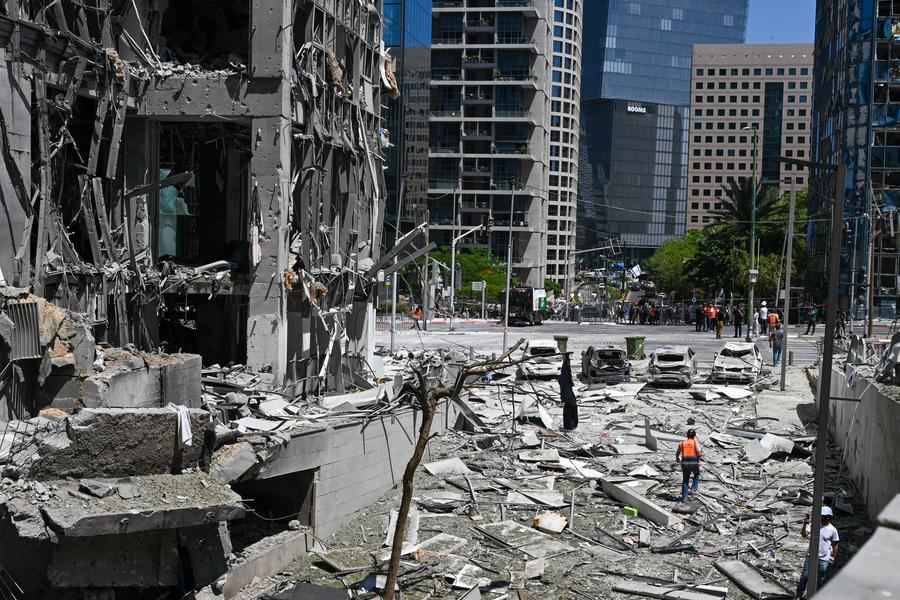
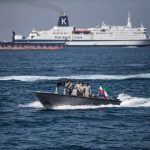
Trump highlighted the strategic importance of the strait, through which about a fifth of global oil supply flows. He noted that Iran has effectively choked the passage amid ongoing US-Israeli airstrikes that began in late February, contributing to rising oil prices and global inflation concerns.
During a White House press availability, Trump stressed that countries dependent on the waterway, including South Korea, Japan, and China, must take a more active role in ensuring its security. “We don’t use the strait. We don’t need it. Europe needs it. Korea, Japan, China, (and) a lot of other people… they’ll have to get involved a little bit on that one,” he said.
The US president also emphasised Washington’s ongoing support for South Korea, noting the close relationship and past assistance, but clarified that the responsibility for policing the strait should increasingly fall on the nations that rely on it for energy imports.
Trump’s remarks follow earlier statements that NATO and other allies’ reluctance to assist in securing the waterway had led the US to take the lead. With US military objectives “nearly complete,” the focus appears to be shifting toward multilateral management of the strait while gradually reducing direct American involvement.