May 1, 2026
3 mins read

Trump Drops Whisky Tariffs After Royal Charm

Trump lifts Scotch whisky tariffs during UK royal visit, signalling renewed US-UK trade warmth while highlighting diplomatic influence of King Charles III’s high-profile Washington engagement….reports Asian Lite news

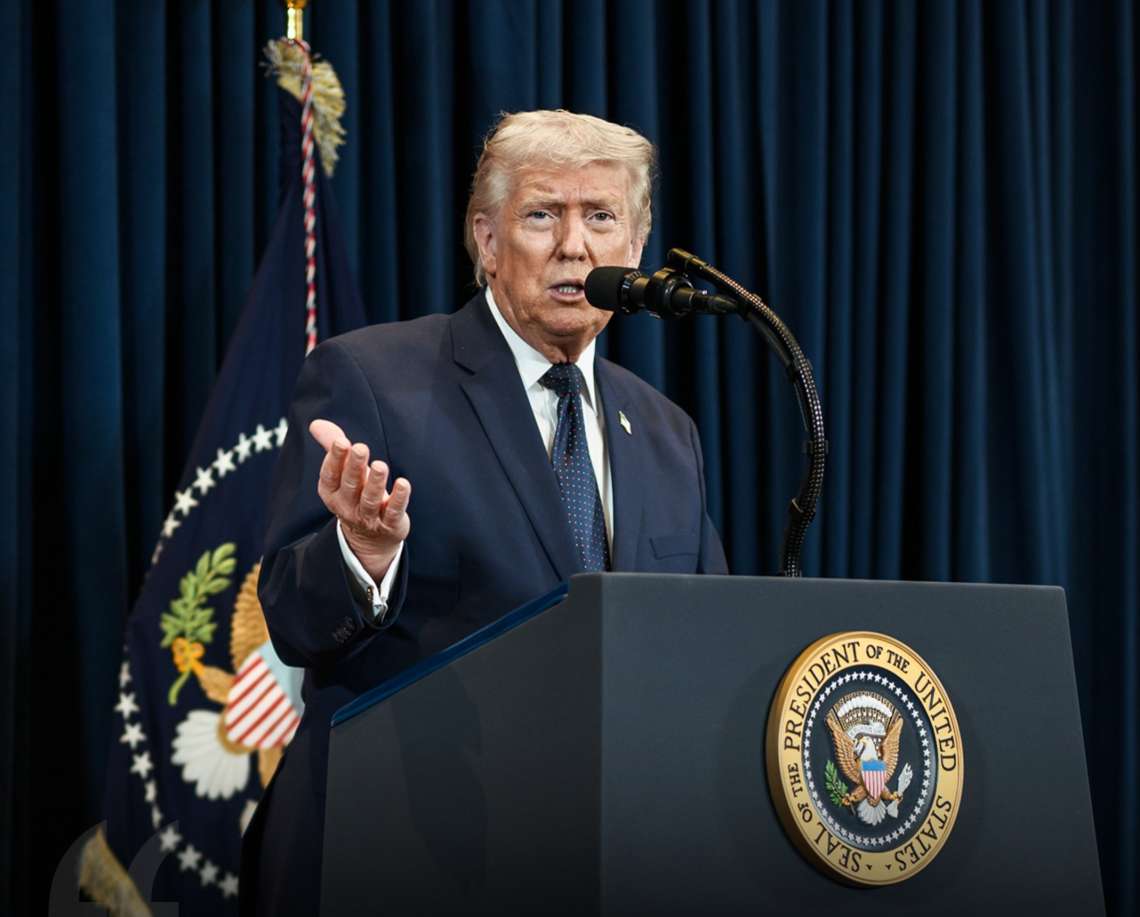
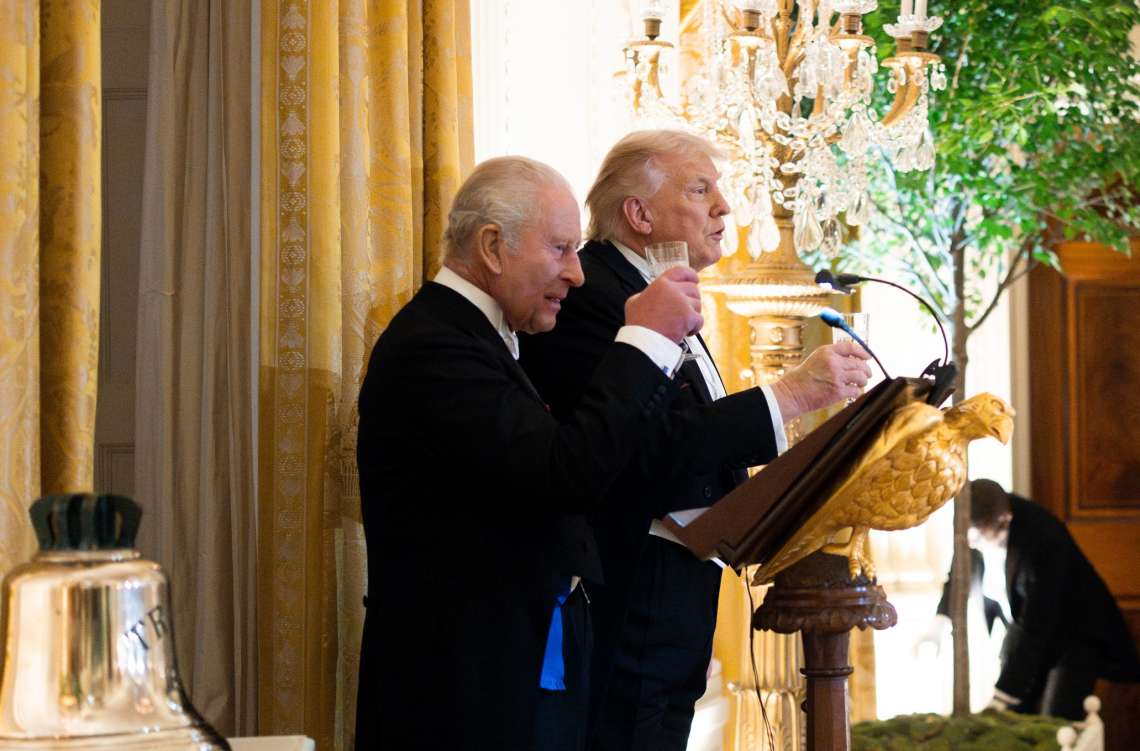
US President Donald Trump has announced the removal of tariffs and trade restrictions on Scotch whisky imports from the United Kingdom, framing the decision as a gesture of goodwill following the high-profile state visit of King Charles III and Queen Camilla.

The move, revealed in a post on Truth Social and reiterated during an executive order signing, marks a notable shift in transatlantic trade policy, particularly for a sector that has long been caught in the crossfire of tariff disputes. Trump said the decision would allow whisky producers in Scotland to resume smoother trade ties with bourbon producers in the US state of Kentucky, highlighting the deep-rooted commercial relationship between the two regions.

“In honour of the King and Queen of the United Kingdom, I will be removing the tariffs and restrictions on whiskey,” Trump said, adding that the industries in Scotland and Kentucky had long been interconnected, particularly through the supply of wooden barrels and shared production practices. He suggested that the royal visit played a decisive role in unlocking a change that had been sought for years by industry stakeholders on both sides of the Atlantic.

The announcement comes against the backdrop of a carefully choreographed state visit that blended ceremonial diplomacy with strategic messaging. King Charles III and Queen Camilla had travelled across key American cities, engaging with political leaders, business representatives, and communities, in what officials described as an effort to reinforce the enduring alliance between the United Kingdom and the United States.

One of the most poignant moments of the visit unfolded at the National September 11 Memorial & Museum in New York, where the royal couple paid tribute to victims of the 2001 terror attacks. They met with families of those who lost their lives, as well as first responders who were involved in rescue and recovery operations. The ceremony was attended by local leaders including Zohran Mamdani and former mayor Michael Bloomberg.

The visit also carried political weight in Washington, where King Charles addressed a joint session of the US Congress. In his remarks, he invoked the legacy of the September 11 attacks as a reminder of global solidarity, emphasising the need for continued cooperation in confronting modern security challenges. He highlighted the importance of alliances such as NATO and partnerships like AUKUS, particularly in the context of ongoing geopolitical tensions, including the war in Ukraine.

Trump, who has previously been critical of NATO allies over defence spending, struck a notably warm tone when speaking about the British monarch. He described King Charles as a “fantastic” leader and a personal friend, suggesting that their discussions extended beyond ceremonial matters to include global issues such as Iran and Ukraine, even as he acknowledged areas of disagreement.

For the whisky industry, the removal of tariffs is expected to provide immediate relief after years of disrupted trade flows and increased costs. Scotch whisky exports to the US, one of its largest markets, had been significantly affected by previous tariff regimes, impacting distillers and supply chains alike. Industry observers say the decision could revitalise trade volumes and restore confidence among producers, particularly smaller distilleries that were hit hardest by added costs.

The symbolic framing of the policy shift underscores the continued role of diplomatic theatre in shaping economic decisions. While the long-term durability of the tariff rollback will depend on broader trade negotiations, the immediate message is one of renewed cooperation between two longstanding allies.
Previous Story

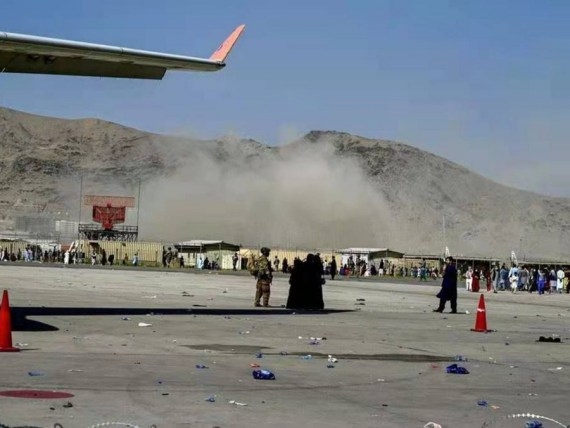
US Jury Split on Deadly Kabul Blast

Next Story

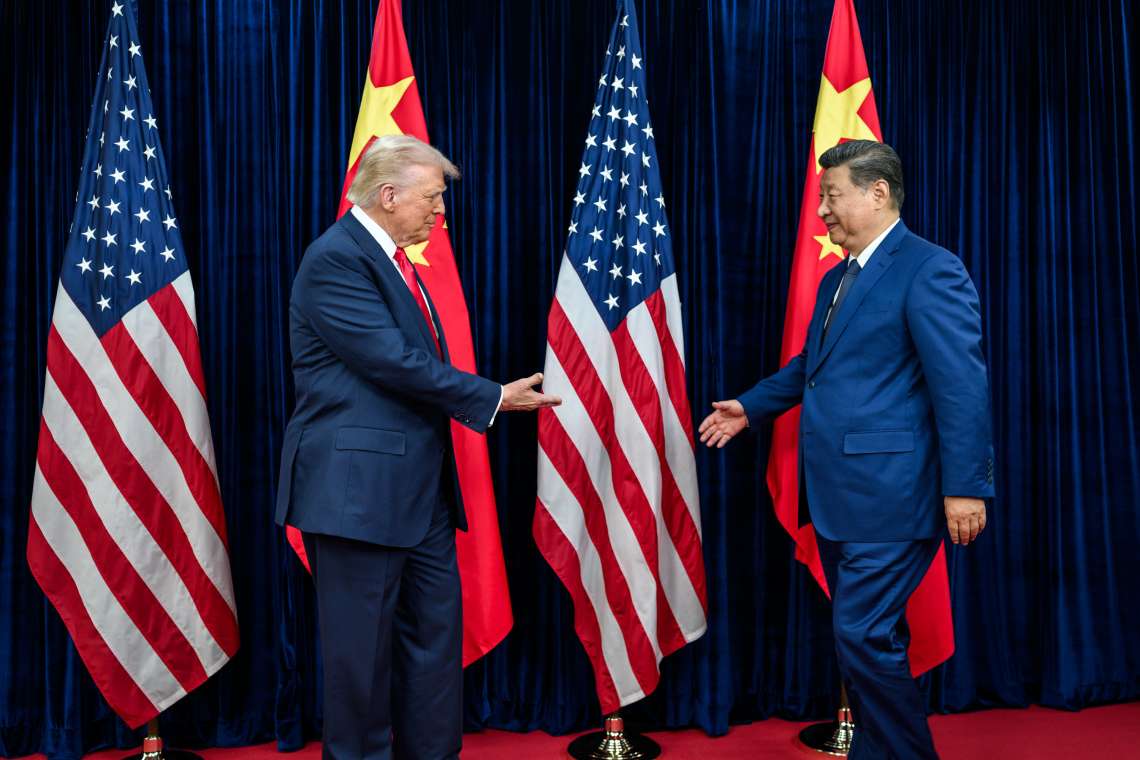
Trump-Xi Talks Loom As Risks Highlighted

Previous Story

US Jury Split on Deadly Kabul Blast

Next Story

Trump-Xi Talks Loom As Risks Highlighted

Latest from -Top News

Pakistan Risks Overstretching Itself in Yemen War

Pakistan’s expanding military role in Saudi Arabia amid the Yemen conflict could strain its defence resources and fragile finances…reports Asian Lite News Desk Pakistan’s military involvement in the war in Yemen may prove unsustainable because of mounting financial pressures and competing security demands, according to a new report. Islamabad’s growing military presence in Saudi Arabia risks stretching its defence resources while exposing the country to greater strategic and economic challenges. An article by Andrew Wilson in One World Outlook describes Pakistan’s involvement as a case of “fiscal and strategic overreach”, arguing that the country lacks the financial flexibility to sustain an expanded military commitment. Pakistan’s external finances depend heavily on an International Monetary Fund (IMF) programme, financial support from Gulf countries and remittances from Pakistani workers in the region. The report argues that deeper military involvement in the conflict could place additional pressure on these sources of financial stability. It also warns that deploying troops and military equipment abroad could weaken Pakistan’s capacity to address security challenges along its eastern border and deal with two domestic insurgencies. The move could also draw Islamabad into a conflict it has sought to approach cautiously. A Reuters report in May, citing Pakistani security and government sources, said Islamabad had deployed around 8,000 troops, a squadron of approximately 16 aircraft, mostly JF-17 fighter jets, two drone squadrons and a Chinese HQ-9 air-defence battery to Saudi Arabia. According to those sources, Riyadh was financing the deployment, with Pakistani personnel operating the equipment. The sources also said a confidential agreement contemplated the possibility of deploying up to 80,000 troops. Islamabad has not confirmed those figures, although it has acknowledged its military presence in Saudi Arabia, including the deployment of fighter jets at King Abdulaziz Air Base from April. The One World Outlook article argues that Saudi financial support can cover allowances and operating expenses but cannot easily replace military equipment needed elsewhere or resolve the political and strategic challenges of participating in the Yemen conflict. Pakistan’s defence budget is another concern. For the 2026-27 financial year, the federal government allocated PKR 3 trillion, or approximately $10.8 billion, to defence services. The allocation represents an 18 per cent increase from the original PKR 2.55 trillion provision and amounts to around 2.1 per cent of projected gross domestic product (GDP). Defence spending accounts for approximately 16 per cent of the federal government’s PKR 18.8 trillion expenditure. Military pensions are budgeted separately at PKR 822 billion, while debt servicing costs stand at approximately PKR 8 trillion, more than two-and-a-half times the defence allocation. The report argues that these competing financial obligations leave little room for additional military expenditure without placing further pressure on public finances. Pakistan’s reliance on IMF assistance also limits its fiscal flexibility. The country must meet the conditions attached to the programme, including a primary budget surplus target of 2 per cent of GDP and continued restraint on development spending. According to the article, these requirements make it difficult for Islamabad to finance an additional military commitment without compromising other budgetary priorities. Pakistan’s economic indicators offer limited reassurance. Economic growth for the 2025-26 financial year is estimated at between 3.6 and 3.7 per cent, while inflation reached approximately 10.3 per cent in September following an energy price shock. Foreign exchange reserves stood at around $21.5 billion at the end of September. Although this marks an improvement from the low levels recorded in 2023, the report notes that the reserves cover only a few months of imports. Financial assistance from Gulf partners remains central to Pakistan’s external stability. The article says Islamabad holds approximately $8 billion in Saudi deposits at its central bank. In July, the State Bank of Pakistan said Riyadh had extended the maturity of $5 billion in deposits to December 2028, easing the country’s immediate external financing requirements. A further $3 billion deposit was also extended in the spring. However, the article argues that these arrangements provide temporary relief rather than long-term financial independence, particularly as regional conflict threatens the stability of the Gulf economies on which Pakistan relies. The report concludes that Pakistan faces a difficult balance between supporting Saudi Arabia militarily and preserving the financial and military resources needed to address its domestic and regional challenges.

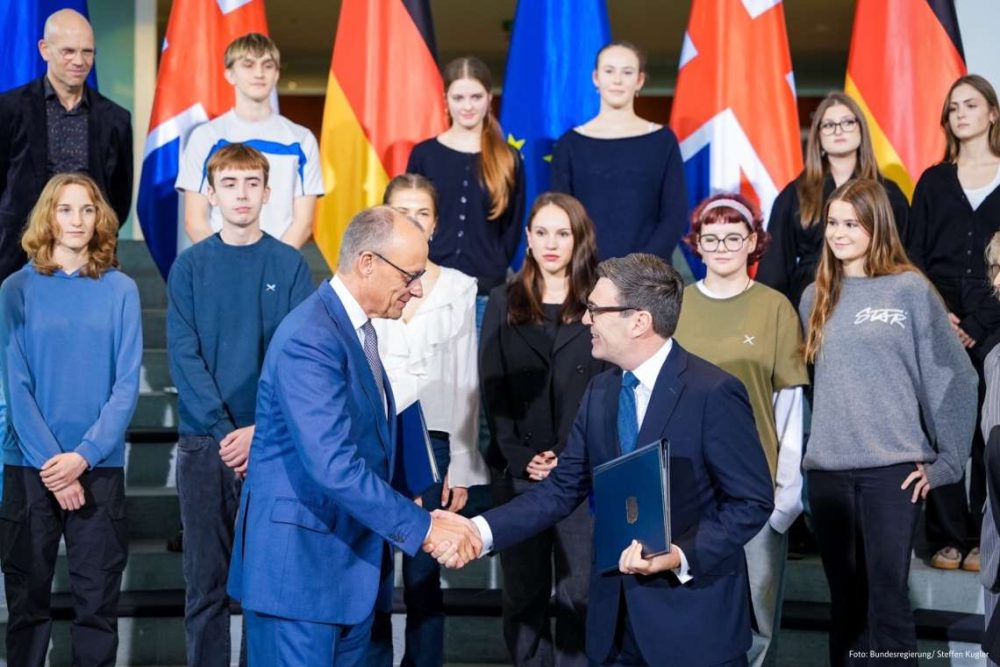
UK and Germany Ratify Kensington Treaty

Britain and Germany ratify the Kensington Treaty, agreeing new cooperation on AI, quantum research, defence and security while targeting investment, jobs and Russian hybrid threats…reports Asian Lite News Desk Britain and Germany

Economic tide is turning in Bangladesh

If there is one thing that can bring some comfort to the struggling Bangladeshi economy, it is good relations with India. Bangladesh should remember that Delhi’s backing, through easy supplies of essentials
Go toTop

Don't Miss

Blinken Holds Talks in Israel on Gaza Ceasefire

A meeting with Israeli Prime Minister Benjamin Netanyahu is planned

US Military Base in Syria Targeted in Suspected Drone Attack

No more details were provided, but the base and other