Despite increased representation in Parliament, women remain excluded from key decision making roles…reports Asian Lite News
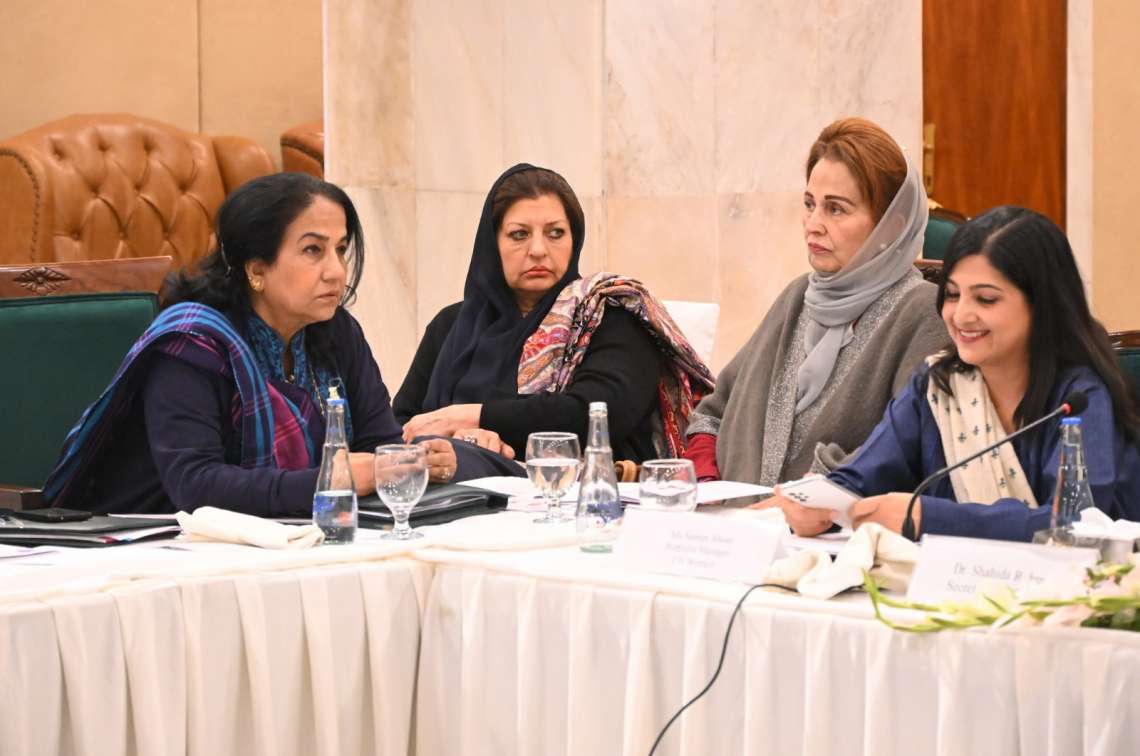
Women lawmakers in Pakistan continue to face deep rooted barriers within the country’s political system, with their growing presence in Parliament failing to translate into real political influence, according to a report published this week by the European Times.
The report stated that although legislative quotas have increased the number of women in Parliament, the overall structure of political power in Pakistan remains firmly dominated by men. It argued that women’s inclusion in politics has largely been controlled and limited rather than genuinely expanded.
According to the report, political parties continue to benefit from the participation and visibility of women legislators while tightly controlling their access to positions of authority and leadership.
“Political parties benefit from the presence and performance of women within legislative bodies while maintaining control over the pathways to power,” the report stated, adding that the issue goes beyond individual parties and reflects a broader systemic problem within Pakistan’s political framework.

It further noted that the structures governing political participation continue to favour continuity of existing hierarchies instead of encouraging meaningful transformation, thereby reinforcing long standing power imbalances.
The report also pointed to the heavy dependence on reserved seats for women in Pakistan’s Parliament, arguing that female representation still relies overwhelmingly on quota systems rather than electoral victories in open contests.
Referring to findings by the Pakistan based civil society organisation ‘Free and Fair Election Network’, the report noted that only one woman in Pakistan’s current Senate secured her seat through direct election from a general constituency. The remaining women senators entered Parliament through reserved quota allocations.
According to the report, while quotas have ensured a minimum level of representation for women, they have also created what it described as a “parallel track” within the political system, where women remain separated from the main centres of political competition and influence.
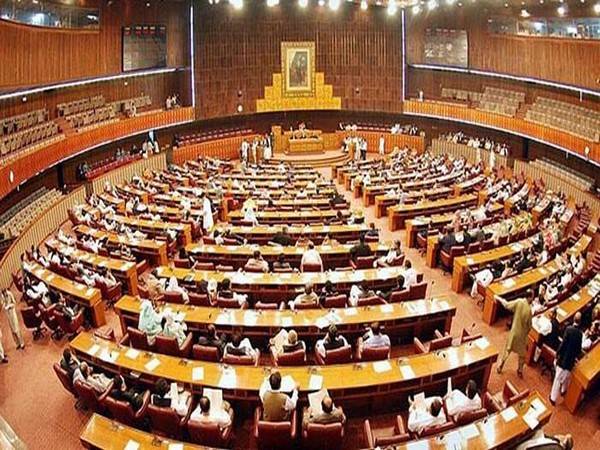
It stressed that representation alone does not guarantee authority or independence in decision making.
“While quotas provide access, they do not necessarily translate into political autonomy or leadership opportunities,” the report observed.
The lack of women in senior leadership positions within Parliament was cited as a clear example of these limitations. Key posts in the Senate, including chairman and opposition leader, continue to be held by men, highlighting the restricted role women play in the highest levels of political leadership.
Despite these obstacles, the report acknowledged that women legislators actively contribute to parliamentary debates, policy discussions, and national issues. However, it said they continue to remain largely excluded from the political structures that shape leadership, electoral competition, and decision making.
The report warned that this exclusion carries serious consequences for governance and democratic institutions, as limiting women’s participation in leadership roles reduces diversity in political decision making and strengthens existing inequalities.
It further argued that the challenges faced by women politicians in Pakistan are not isolated incidents but are deeply embedded within the country’s political and institutional framework.
“Access to power continues to be mediated by party structures, electoral practices, and institutional norms that have shown little inclination to evolve,” the report added.