Government announces sweeping reforms in taxation, investment and governance, while pledging to remove Nepal from the FATF grey list and accelerate economic recovery…reports Asian Lite News
Nepal on Friday unveiled a NRS 2.124 trillion budget for the 2026/27 fiscal year, with the government prioritising removal from the Financial Action Task Force (FATF) grey list and targeting 7 per cent economic growth through a broad package of fiscal and economic reforms.
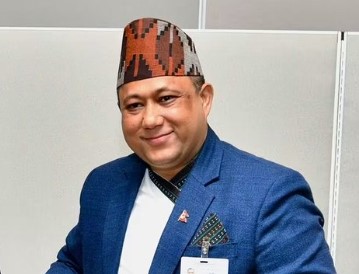
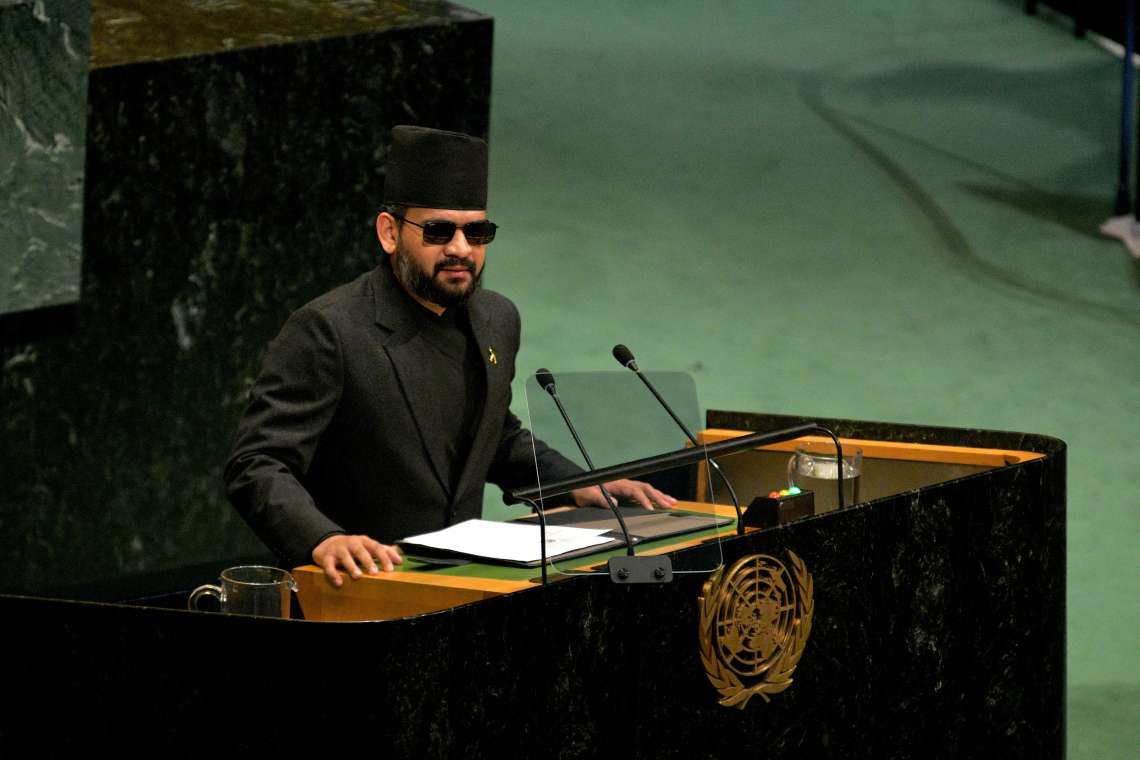
Presenting the annual budget in the Federal Parliament, Finance Minister Swarnim Wagle outlined measures aimed at strengthening governance, attracting investment, improving financial discipline and supporting economic recovery. The budget is the first to be introduced since the Gen Z protests that swept the country in September last year.
The government reaffirmed its commitment to meeting international anti money laundering standards and securing Nepal’s early removal from the FATF grey list.
“To reduce the exchange risk in planning foreign loans or investments, arrangements have been made to provide hedging services at a suitable premium from the coming financial year. The first and second sovereign credit ratings will improve and create a favourable economic environment. The ‘grey-list’ related to Nepali money laundering should be removed as soon as possible,” Wagle told Parliament.
Nepal was placed back on the FATF grey list during the watchdog’s plenary meeting in Paris in February 2025. It is the second time the country has been subjected to increased monitoring, having previously remained on the list from 2008 to 2014.
Countries on the grey list are required to address deficiencies in anti money laundering and counter terrorism financing frameworks within a specified timeframe or risk tougher financial restrictions.
Alongside efforts to strengthen financial compliance, the government has set an ambitious growth target of 7 per cent for the coming fiscal year, significantly higher than the National Statistics Office’s projected growth rate of 3.85 per cent for the current year.
“As a result of these reform and transformation programs, I am confident that 7 per cent economic growth will be achieved in the coming fiscal year and the inflation rate will be limited to 6 per cent. Nepal Rastra Bank will issue a monetary policy to support the implementation of the policy reforms and programmes announced in the budget,” Wagle said.
The budget, introduced by the government formed in March, sets a revenue target of NRS 1.405 trillion and outlines reforms across taxation, capital markets, agriculture, healthcare, infrastructure and public administration.
Among the key tax measures, the personal income tax exemption threshold has been raised from NRS 600,000 to NRS 1 million to provide relief to middle income earners. Capital gains tax on listed securities will now be treated as a final tax, simplifying compliance requirements for investors.
The government has also proposed allowing Non Resident Nepalis (NRNs) to participate in the secondary securities market and announced reforms to foreign investment approvals, profit repatriation and investment accounting procedures to encourage greater capital inflows.
As part of efforts to improve fiscal discipline, civil servants will receive a 10 per cent salary increase, with the minimum monthly salary fixed at NRS 40,000 and the maximum capped at NRS 100,000.
The agriculture sector received a significant allocation, including NRS 32.46 billion for chemical fertiliser subsidies, NRS 46.42 billion for the Ministry of Agriculture and Livestock Development, and an additional NRS 2.07 billion for agricultural modernisation programmes.
In healthcare, the government allocated NRS 13.15 billion for social health protection programmes aimed at expanding access to medical services for vulnerable groups.
The budget also includes plans to address issues affecting squatters and landless citizens during the fiscal year through targeted policy interventions.
In the cultural sector, the government pledged to pursue UNESCO World Heritage recognition for Tilaurakot, Gokarneshwar and Janakpur Dham as part of broader efforts to preserve and promote Nepal’s heritage sites.
The budget comes as Nepal seeks to revive economic momentum, strengthen investor confidence and address international concerns over financial oversight while navigating a challenging domestic and global economic environment.