One in four households in Pakistan’s capital employs a child domestic worker, according to rights advocates who warn that enforcement of child labour laws remains weak…reports Asian Lite News Desk
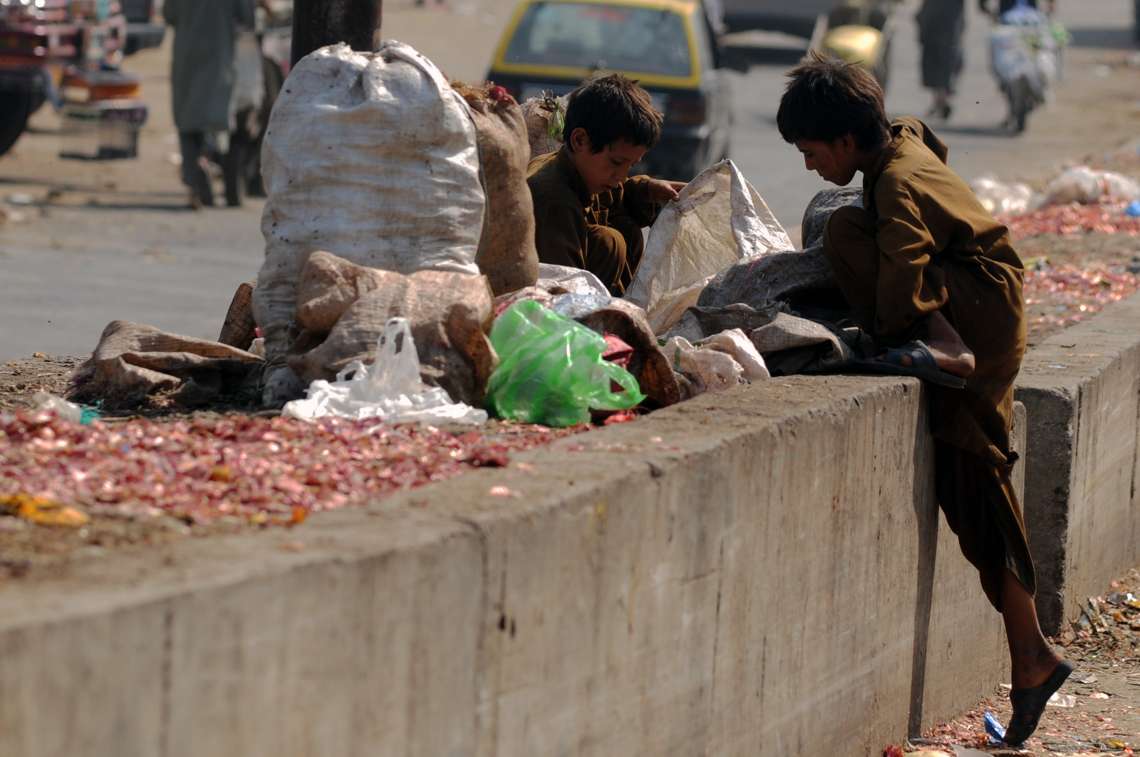
Every fourth household in Pakistan’s capital Islamabad employs a child as a domestic worker, highlighting the continued prevalence of child labour despite existing legislation aimed at curbing the practice, according to child rights advocates.
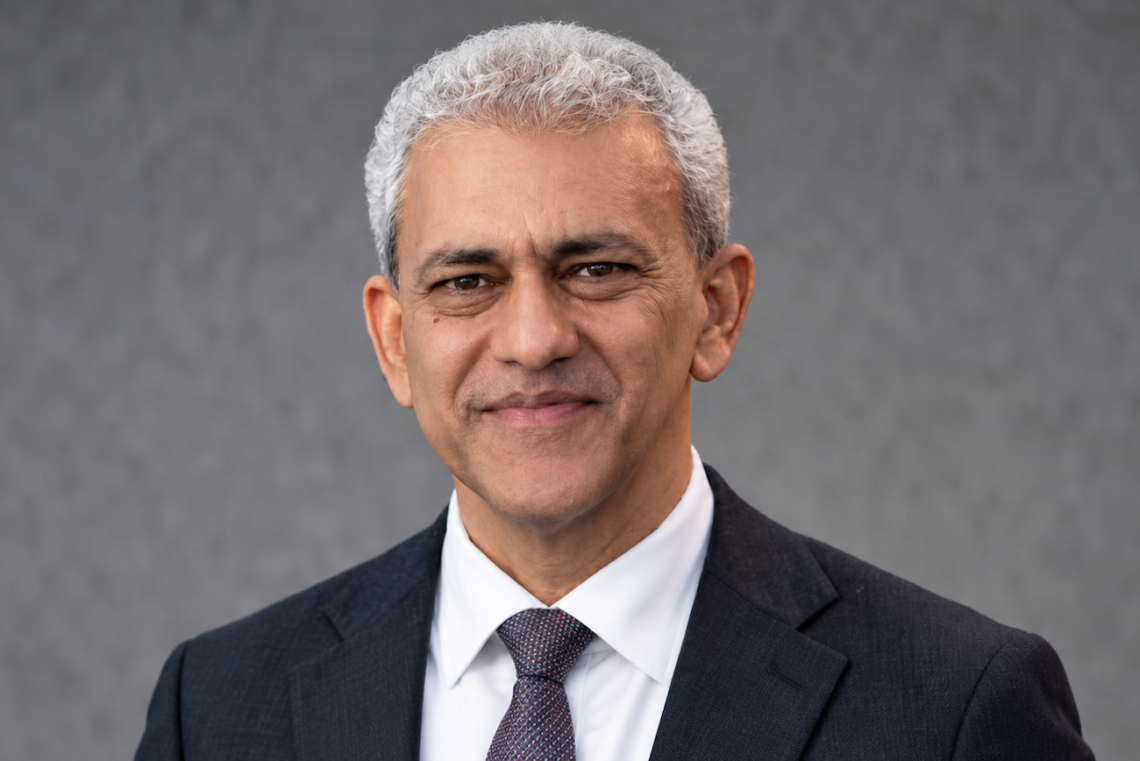
The issue was raised by Asiya Arif, Executive Director of the Society for the Protection of the Rights of the Child (Sparc), during an event organised jointly by Sparc and the National Commission on the Rights of the Child (NCRC) to mark World Day Against Child Labour 2026, Pakistan’s Dawn newspaper reported.
Arif said implementation of laws relating to child domestic labour remained far from satisfactory and stressed the need for stronger and more coordinated action to tackle the problem.
She called for a collective effort to eliminate child labour across multiple sectors, including domestic work, supply chains, hotels, automobile workshops and the brick kiln industry.
According to Arif, addressing the issue requires sustained efforts through stronger enforcement mechanisms, enhanced social protection programmes and improved access to quality education in line with the Sustainable Development Goals (SDGs) and Article 16 of Pakistan’s Constitution.
She also pointed to alarming figures released by Pakistan’s Ministry of Education, which revealed that 26.2 million children across the country remain out of school.
Speaking at the event, Parliamentary Caucus on Child Rights (PCCR) convenor Nikhat Shakeel Khan said ending child labour would require coordinated action involving government institutions, civil society organisations, the private sector and local communities.
She emphasised the need to address the root causes of child labour, including poverty, limited access to education and weak social protection systems.
Meanwhile, Member of Pakistan’s National Assembly Shazia Sobia Aslam Soomro called for stronger child protection mechanisms and stricter implementation of existing laws to eliminate child labour.
She said children should be provided with safe environments and meaningful educational opportunities rather than being forced into work because of economic hardship.
The concerns come against the backdrop of troubling education indicators highlighted in the Federal Ministry of Education and Professional Training’s “Girls’ Education Statistics and Trends Report 2023-24”, released earlier this year.
The report found that 26.2 million children in Pakistan remain out of school, including 3.4 million girls. It also pointed to growing concerns over education funding, noting that the national share of education spending had declined from 13 per cent to 11 per cent.
According to the report, several provinces have reduced allocations for education, with Punjab and Sindh among the regions recording notable funding cuts.
The study further revealed infrastructure and accessibility challenges within the education sector. Only 19 per cent of schools were equipped with digital learning tools, while 23 per cent had installed ramps for specially-abled students. However, many institutions continued to lack specialised learning materials and support systems.
The report noted that while provinces had generally demonstrated reasonable capacity to implement education programmes, declining prioritisation of the sector remained a major concern.
Rights advocates argue that without stronger investment in education and social welfare, efforts to combat child labour are unlikely to succeed, leaving millions of Pakistani children vulnerable to exploitation and deprived of access to schooling.