Ministers said emergency assistance remains in place for those still in Iran as the Cabinet Committee on Security reviewed India’s preparedness for the wider impact of the West Asia crisis…reports Asian Lite News Desk
India has evacuated 2,557 nationals from Iran through Armenia and Azerbaijan since the outbreak of hostilities in West Asia earlier this year, the government told Parliament on Thursday, as it continued efforts to assist citizens remaining in the country and safeguard India’s strategic interests amid the regional conflict.
Minister of State for External Affairs Kirti Vardhan Singh informed the Rajya Sabha that the Indian Embassy in Tehran had facilitated the cross-border movement of Indian nationals from Iran to neighbouring Armenia and Azerbaijan, enabling their onward travel to India.
“Since the onset of hostilities in West Asia in February 2026, the Indian Embassy in Tehran has facilitated the cross-border movement of 2,557 Indian nationals from Iran to Armenia/Azerbaijan for their onward travel to India,” Singh said in a written reply to separate questions.
The minister said the government estimates that about 7,000 Indian nationals remain in Iran. These include seminary students, medical students, workers, seafarers and fishermen.
“The Government is closely monitoring the security situation in Iran and has issued timely advisories to Indian nationals depending on the developments,” Singh said.
He added that the Indian Embassy in Tehran has maintained a 24-hour emergency helpline and email facility to assist Indians in distress and ensure continuous communication during the crisis.
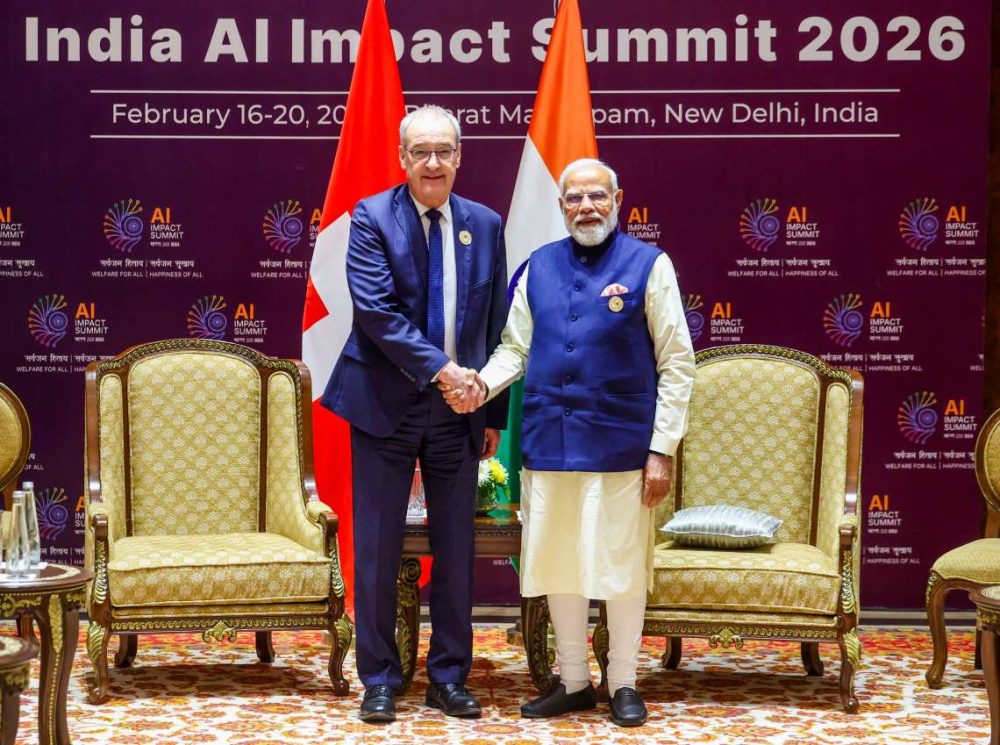
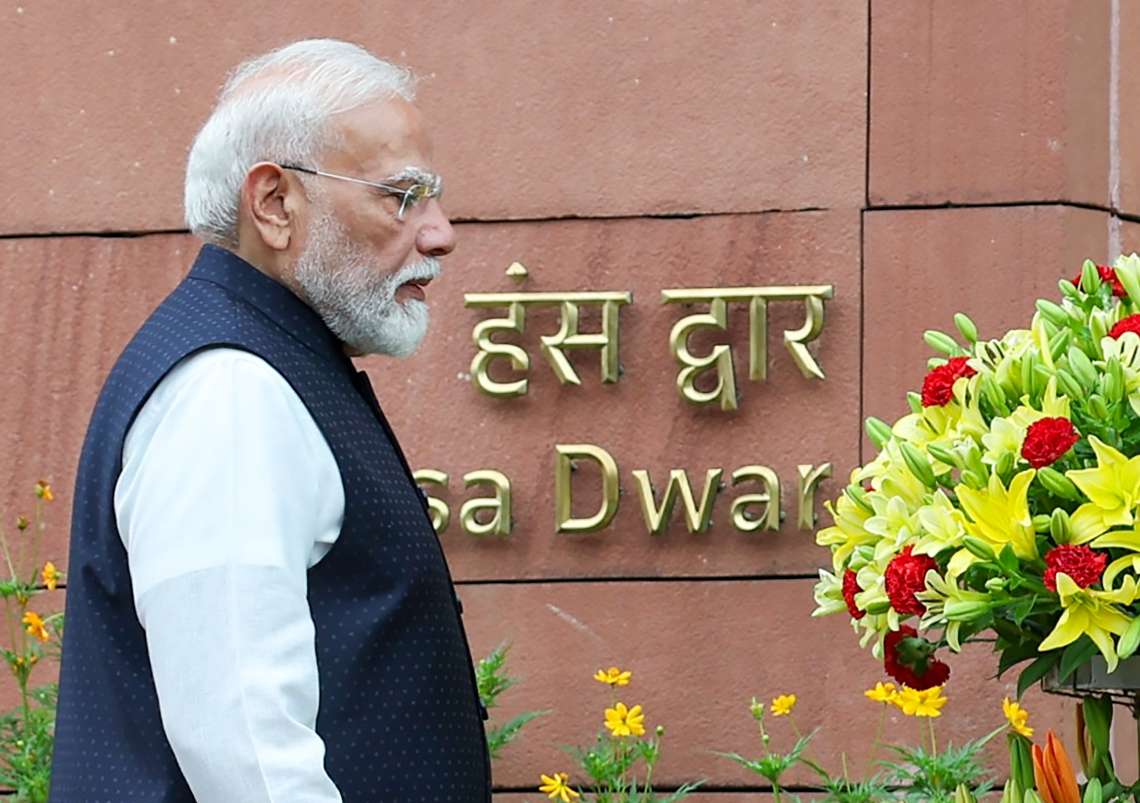
Separately on Thursday, Prime Minister Modi chaired the fourth special meeting of the Cabinet Committee on Security in New Delhi to assess the evolving geopolitical situation in West Asia and review preparedness across key sectors.
The Cabinet Secretary briefed the committee on measures taken to ensure adequate supplies of petroleum products, including LNG, LPG and fertilisers. The government said LPG procurement sources had already been diversified and that overall stocks and supplies of major petroleum products remain adequate.
Officials said sufficient crude oil supplies have enabled Central Public Sector Enterprise refineries to operate at utilisation levels above 100 per cent, ensuring continued production of petrol, diesel and other petroleum products. The government also highlighted ongoing efforts to expand piped natural gas connections, the National Gas Grid, LNG import and regasification infrastructure, City Gas Distribution networks and pipeline connectivity.
The committee also reviewed fertiliser availability ahead of the forthcoming Rabi season and discussed alternative sources of supply. Modi directed that all necessary measures be taken to ensure uninterrupted fertiliser supplies.
The situation of Indian seafarers working on domestic- and foreign-flagged vessels in conflict zones was also reviewed. The Prime Minister directed officials to establish a mechanism to provide timely information, emergency assistance and counselling to seafarers and their families.
Modi said every effort should be made to safeguard Indian citizens and the Indian diaspora from the impact of the conflict. He also called for greater emphasis on renewable energy, including solar power and other non-fossil fuel sources, to strengthen India’s long-term energy security.